Dog Socialization: How to Introduce People, Dogs and New Places Safely
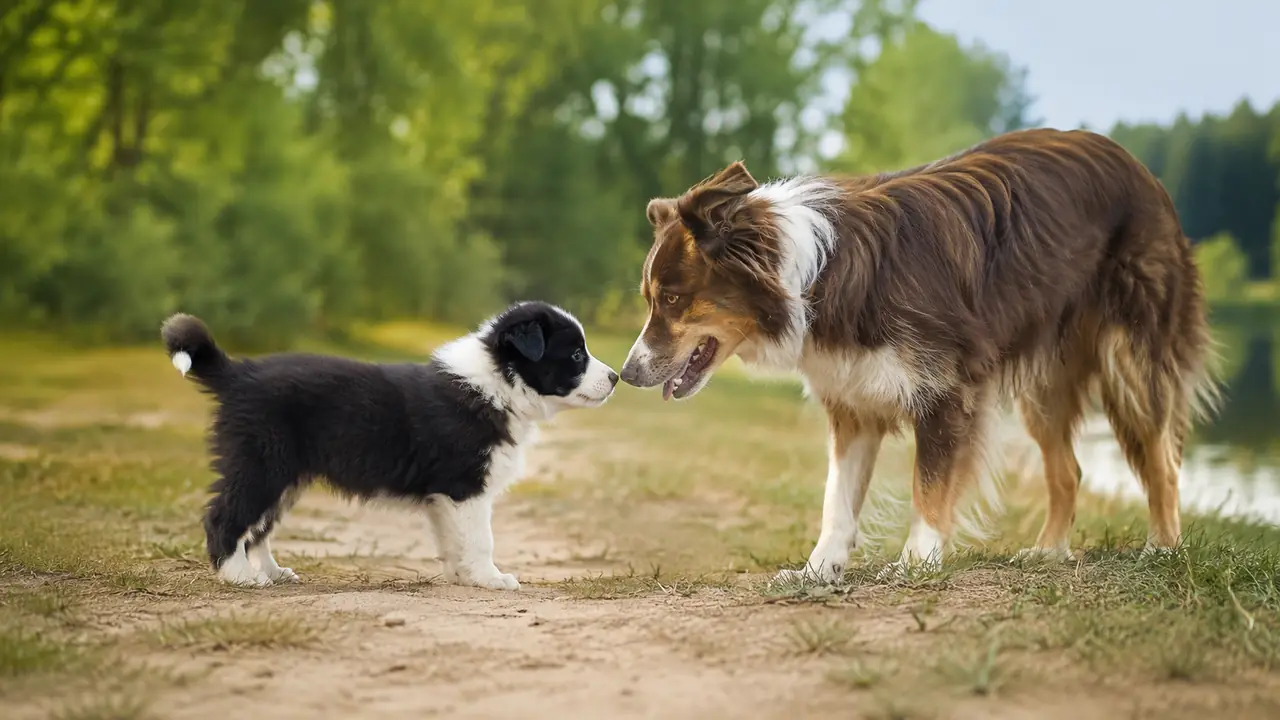
Good socialization is not a race to meet the greatest number of people and dogs. For puppies, it is carefully managed early learning about the social and physical world. For older dogs, safe new experiences can continue to build coping skills—but fearful dogs may need a slower behavior-modification plan rather than more forced exposure.
Updated August 13, 2026 · Veterinary behavior sources checked
A dog does not need to greet every person or dog. Calm observation and safe disengagement are valid social skills.
A puppy begins life with a very small world.
Home, littermates, familiar people, familiar surfaces and a limited set of sounds may be almost everything the puppy knows.
Then the world expands.
Doorbells ring. Children move quickly. Delivery workers appear. Cars, bicycles and buses pass. Floors feel different. Grooming tools make noise. Another dog appears across the street.
These experiences can help build confidence when the puppy remains able to explore and recover.
But more exposure is not automatically better.
A puppy frightened repeatedly in the name of socialization can become more sensitive rather than more confident.
Safe socialization therefore focuses on the quality of the experience, not how many items can be checked off a list.
Quick Answer: What Is Good Dog Socialization?
For puppies, socialization is a planned process of safe, positive exposure to the people, animals, environments, sounds, surfaces, handling and other experiences that are likely to be part of normal life.
The puppy should be able to notice the experience without being repeatedly overwhelmed by fear.
Socialization does not require physical interaction with everything. Watching a person, hearing traffic at a tolerable distance, walking across a new surface or calmly passing another dog can all be useful learning.
Early puppyhood is especially important, but development does not suddenly stop on one exact birthday. Continue appropriate positive experiences as the puppy grows.
Adult and rescue dogs can still learn new associations and coping skills. When fear is already present, use gradual desensitization and counterconditioning rather than forced exposure.
Six Principles of Safer Socialization
1. Socialization Is Learning About the World — Not Greeting Everything in It
Socialization is often misunderstood as a checklist of greetings.
“Meet ten people.” “Play with five dogs.” “Go to a busy shopping area.”
Numbers do not tell you whether the dog had a good experience.
A puppy can learn something useful simply by watching an unfamiliar person pass while remaining relaxed.
A dog can learn that another dog exists nearby without being allowed to run up and greet.
A puppy can hear traffic from a comfortable distance before ever walking beside a busy road.
The goal is not to create a dog that loves every person, animal and place.
A useful goal is a dog that can notice ordinary life, remain reasonably comfortable, recover from novelty and rely on the handler for safe guidance.
Back to guide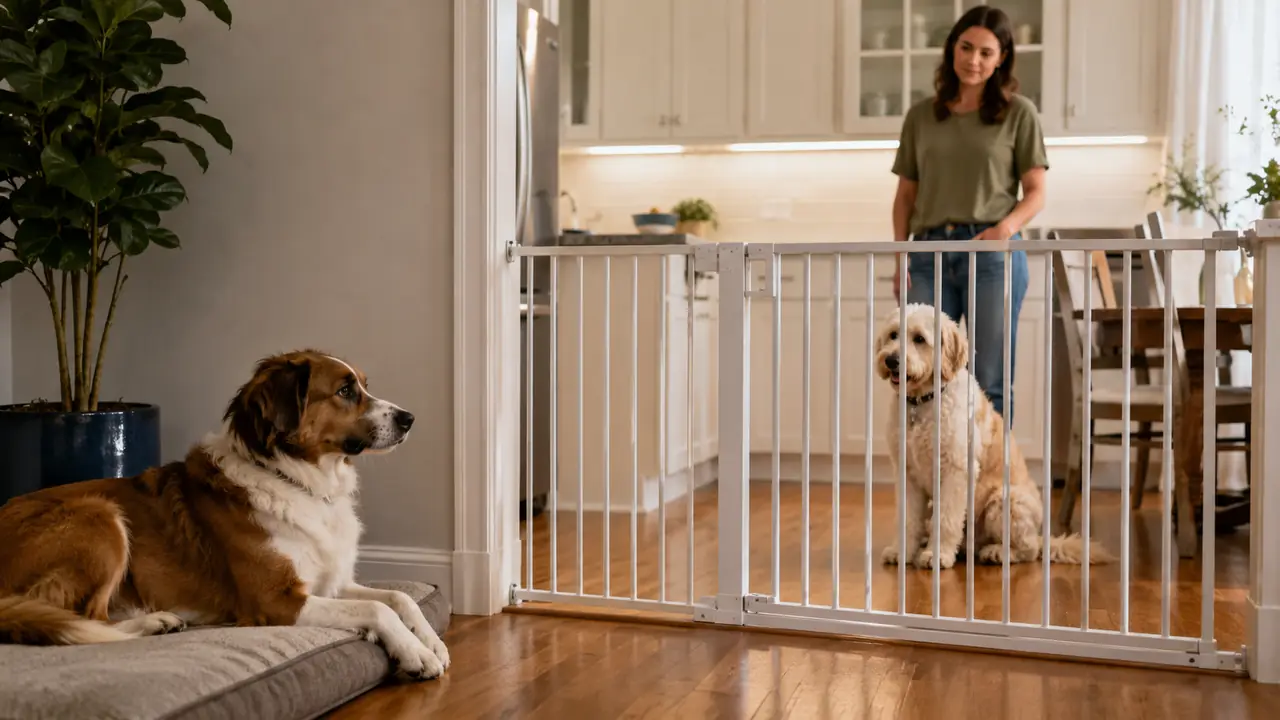
2. Early Puppyhood Is an Especially Important Socialization Period
The first months of life have an unusually strong influence on how puppies learn about their social and physical environment.
Veterinary behavior references commonly describe the primary socialization period as occurring during early puppyhood, with the first three months being especially important.
Developmental timing varies between individuals, so do not treat one exact age as a switch that suddenly turns learning off.
During early puppyhood, appropriate experiences can include:
- people with different appearances and movement styles
- healthy, behaviorally appropriate dogs when medically safe
- household and traffic sounds at tolerable levels
- different safe surfaces
- car travel
- gentle body handling
- grooming tools introduced gradually
- veterinary-style handling practice
- safe household and community environments
Exposure should continue beyond the early socialization period so the puppy's experience of the world keeps developing.
Back to guide3. Do Not Confuse Safe Socialization With Uncontrolled Disease Exposure
Puppy owners often face a real concern: early social learning is important, but young puppies may not yet have completed their vaccination series.
The answer is not to choose between behavior development and infectious disease safety.
Build a plan that respects both.
Ask your veterinarian about local risk
Vaccination status, local parvovirus risk, the puppy's health and the environments you plan to visit all affect what is appropriate.
Lower-risk socialization options can include:
- watching the world while being carried when appropriate
- car rides and observation from a clean safe location
- controlled visits with known healthy vaccinated dogs
- meeting people in a clean home environment
- practicing household sounds and surfaces
- well-run puppy classes that follow veterinary health and sanitation requirements
Higher-risk situations may include:
- high-traffic dog areas with unknown disease status
- unsanitized communal dog spaces
- contact with visibly sick animals
- areas heavily contaminated by unknown dogs
Do not assume every public surface is equally risky, and do not assume every puppy must remain completely isolated until the last vaccine appointment.
Your veterinarian is the right person to help balance infectious-disease risk with behavioral development in your location.
Back to guide4. Positive Exposure Is Different From Flooding
A useful experience occurs at an intensity the dog can process.
Flooding exposes a frightened dog to a feared stimulus at an intensity that produces significant fear while preventing adequate escape or relief.
A dog may eventually stop struggling without actually becoming comfortable.
If the dog becomes frightened, make the next repetition easier by increasing distance, reducing duration, lowering sound level or simplifying the environment.
Do not repeatedly expose a frightened puppy simply because somebody says, “They need to get used to it.”
Back to guide5. Read the Whole Dog Before Deciding to Continue
One body-language signal should not be interpreted in isolation.
Food acceptance can provide context, but do not use “takes treats” as the only test of whether the dog feels safe.
Back to guide6. Work at an Intensity Where the Dog Can Still Learn
Distance is one of the simplest ways to lower difficulty.
If a puppy is unsure about bicycles at two metres, watching from twenty metres may be a much better first lesson.
If a dog is nervous about visitors in the living room, beginning behind a gate or across the room may be easier than direct contact.
You can change:
- distance
- duration
- number of people or dogs
- noise level
- speed of movement
- how close the dog must approach
Reduce difficulty before the dog reaches the point of severe fear or uncontrollable excitement.
Back to guide7. Introduce People Without Making Every Person Touch the Dog
People differ in height, clothing, voice, movement, posture, mobility aids and how directly they approach.
A puppy can learn about these differences without being handed from stranger to stranger.
Calm neutrality around strangers is a valuable outcome.
Your dog does not need to become a social butterfly to be successfully socialized.
Back to guide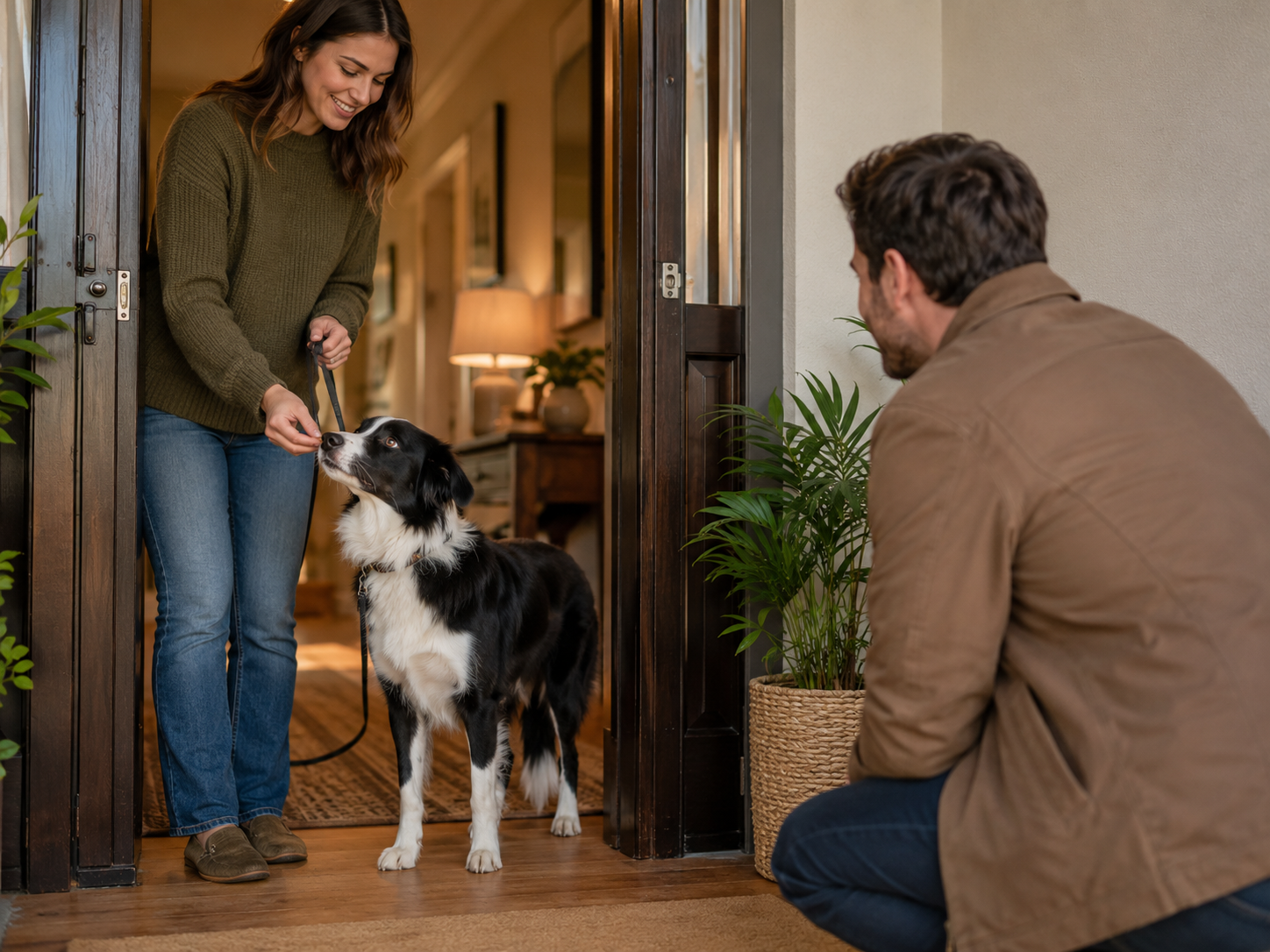
8. Introductions to Children Need Adult Supervision
Children can move quickly, make sudden sounds and interact differently from adults.
Socialization does not mean placing a puppy in the middle of uncontrolled child activity.
Safer early exposure includes:
- observing calm children from a comfortable distance
- rewarding the dog for relaxed observation
- teaching children not to chase or corner the dog
- preventing hugging, climbing or rough physical handling
- giving the dog an accessible resting area
- having responsible adult supervision during interaction
Never make a child responsible for managing a frightened or highly excited dog.
If either child or dog appears uncomfortable, end the interaction.
Back to guide9. Make Home Visitors Predictable
A visitor combines several stimuli: a knock, door movement, unfamiliar scent, voice and somebody entering the dog's home.
A gate, leash or separate safe area can reduce the intensity of the first moment.
A simple visitor setup can be:
- prepare the dog before opening the door
- let the visitor enter without immediately reaching for the dog
- give the dog space to observe
- reward relaxed behavior
- allow approach only when the dog appears comfortable
- skip physical greeting if the dog does not want one
A worried dog should not be lured into touching distance simply because a stranger is holding food.
For some dogs, it is easier if the visitor initially ignores them.
Back to guide10. Dog-to-Dog Socialization Does Not Mean Greeting Every Dog
Dogs vary in their social preferences.
Some enjoy many canine companions. Others prefer a few familiar dogs. Some become less interested in unfamiliar dogs as they mature.
Good social skills include being able to exist around another dog without being required to interact.
For planned introductions:
- choose a healthy, behaviorally appropriate dog
- use a neutral or low-pressure location when practical
- begin with enough space for both dogs to remain comfortable
- parallel movement can be easier than immediate face-to-face contact
- avoid pulling the dogs together on tight leashes
- keep early interactions brief
- interrupt before play becomes excessively rough or one-sided
- end if either dog repeatedly seeks distance or shows defensive behavior
A puppy does not need dozens of unknown dog contacts in order to develop normal canine social skills.
Back to guide11. A Dog Park Is Not Required for Socialization
Dog parks can contain unfamiliar dogs with very different play styles, health status and social skills.
They also provide limited control over which dog approaches your puppy.
Be especially cautious with young puppies
High-traffic or unsanitized dog areas used by dogs of unknown vaccination or disease status can create unnecessary infectious-disease risk.
A well-run puppy class, calm meeting with known suitable dogs, parallel walks, or simply observing dogs at a safe distance may provide more controlled learning.
Fearful dogs, dogs with aggression concerns and dogs that become uncontrollably aroused around other dogs may not be appropriate dog-park candidates.
Back to guide12. Introduce New Places From the Easy Version First
“New place” does not have to mean spending an hour in the middle of a busy event.
Start at the edge.
A five-minute successful visit can be more useful than a long outing that ends after the dog becomes overwhelmed.
Back to guide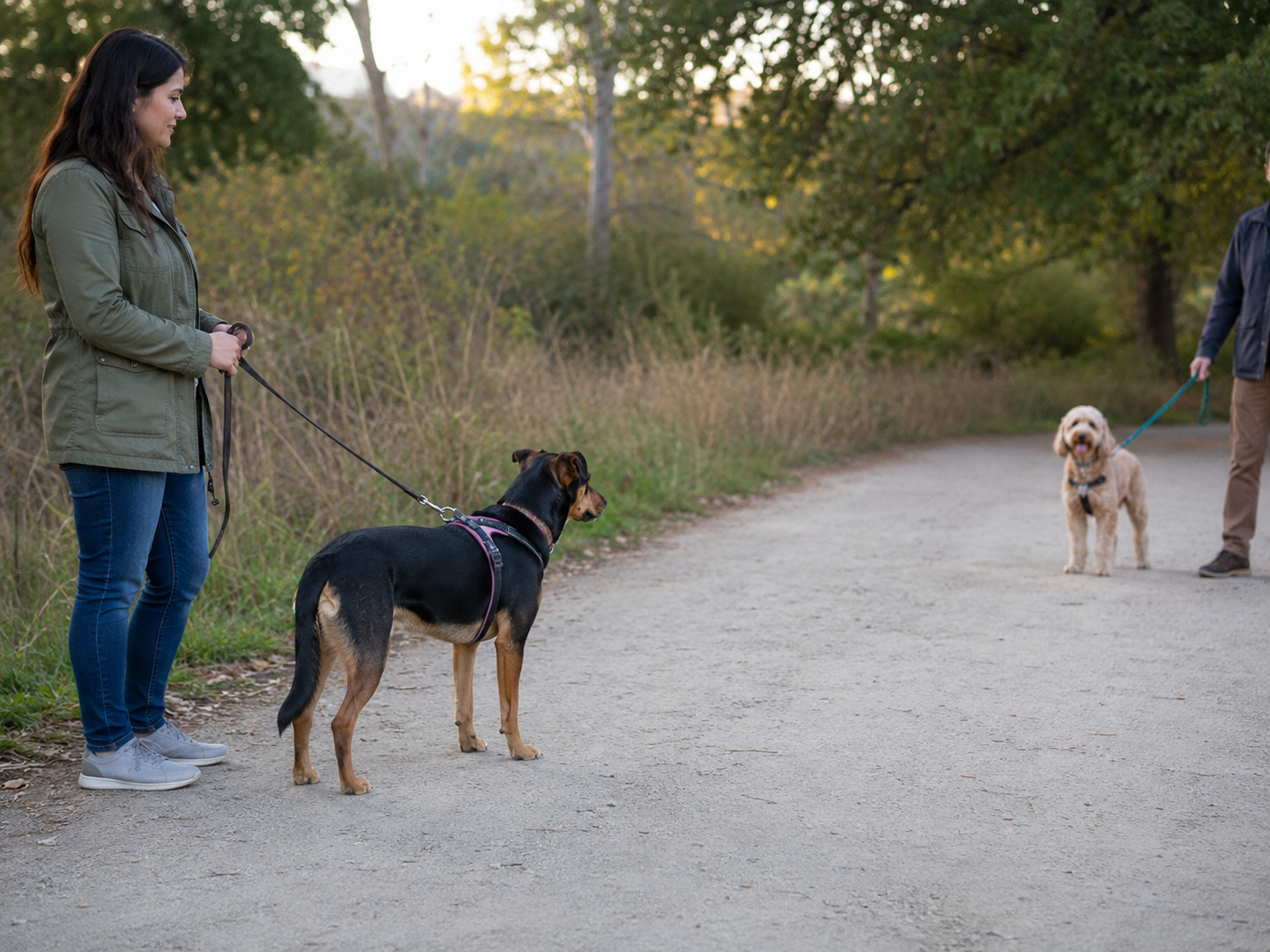
13. Introduce Sounds at a Level That Does Not Frighten the Dog
Dogs may encounter vacuum cleaners, traffic, kitchen appliances, doorbells, construction sounds, grooming equipment and many other noises during life.
The purpose of sound exposure is not to prove that the dog can endure the loudest version.
Start at a tolerable intensity and pair the experience with something positive.
With recordings, that may mean beginning at a very low volume.
With a real-world sound, it may mean increasing distance.
Do not use full-intensity fireworks or thunder as “socialization practice”
A dog already showing significant noise fear needs a controlled behavior plan, and severe noise anxiety may require veterinary support.
14. Surfaces and Ordinary Objects Are Part of Social Learning Too
Puppies benefit from learning that the physical world can look and feel different.
Safe examples may include:
- grass
- tile
- wood flooring
- gravel
- rubber matting
- ramps
- safe steps
- umbrellas
- hats
- bags
- strollers
- wheelchairs and mobility aids
- bicycles viewed from a safe distance
Do not drag a puppy across a surface it is afraid to touch.
Let the dog investigate at a manageable pace, reward exploration and make the exercise easier if fear appears.
Back to guide15. Socialization Should Include Gentle Handling and Future Care Skills
Life with humans includes more than walking and meeting people.
Dogs may need veterinary exams, grooming, paw cleaning, nail care, ear inspection, dental care and restraint during emergencies.
Prepare for ordinary care in tiny positive steps.
Examples include:
- briefly touching a paw
- lifting a lip for a moment
- touching the ear flap
- standing on a non-slip grooming mat
- seeing a brush before it touches the coat
- hearing grooming equipment at a low intensity
- briefly touching the collar or harness
Reward cooperation and avoid turning routine handling into a struggle.
Back to guide16. Make Car Travel Its Own Gradual Experience
Some puppies experience the car only when they are being taken somewhere difficult.
Instead, car familiarity can be built gradually.
Depending on the puppy, progression may include:
- approaching the parked vehicle
- being near the open door
- briefly entering the stationary car
- settling in an appropriate secure travel setup
- a very short drive
- gradually longer ordinary journeys
Repeated drooling, vomiting, severe distress or motion sickness should be discussed with your veterinarian rather than treated only as a training issue.
Back to guide17. Adult Dogs Can Keep Learning, but This Is Different From the Puppy Sensitive Period
The developmental socialization period belongs to early puppyhood.
An adult dog that missed important early experiences cannot be placed back into that developmental stage.
But adult dogs absolutely can form new associations, learn coping skills and become more comfortable with many situations.
The process may need to be slower.
For an adult dog, focus on:
- manageable exposure rather than maximum exposure
- predictable routines
- distance from difficult triggers
- rewarding calm observation and disengagement
- desensitization when fear is present
- counterconditioning to create better emotional associations
Do not compare an adult fearful dog's progress with a confident young puppy.
Back to guide18. Newly Adopted Dogs May Need Less Novelty at First, Not More
Moving into a new home is already a major environmental change.
The dog is learning new people, rooms, smells, sleeping locations, walking routes, household sounds and routines simultaneously.
Do not assume the first week should contain a long schedule of visitors, dog parks, cafés and social events.
Early priorities can be:
- safe resting space
- predictable meals
- toileting routine
- low-pressure walks
- gentle household interaction
- time to sleep and decompress
Add new experiences according to the individual dog's behavior rather than a fixed timetable.
Some dogs adjust rapidly. Others need significantly more time.
Back to guide19. A Fearful Dog Needs a Behavior Plan, Not More Pressure
Fearful dogs are often described as needing “more socialization.”
That phrase can become harmful if it means placing the dog repeatedly into situations that cause fear.
When fear is already established, the goal is to change the dog's emotional response gradually.
Useful strategies can include:
- increasing distance from the trigger
- reducing duration
- pairing manageable exposure with valued rewards
- allowing the dog to disengage
- avoiding forced greetings
- leaving before fear escalates
If the dog is frightened even at substantial distance, the situation may need professional assessment.
Severe fear can require veterinary involvement
Panic, escape attempts, aggression, inability to function around ordinary triggers or worsening fear despite careful training can warrant veterinary behavior evaluation.
20. An Overexcited Dog May Also Need More Distance
Not every overwhelmed dog looks frightened.
Some dogs rush forward, bark, whine, jump, lunge or pull because excitement and frustration are extremely high.
Allowing that dog to greet every trigger can make rushing the normal route to social access.
Instead:
- start farther away
- reward voluntary check-ins
- reward calm observation
- practice passing without greeting
- move away before arousal becomes unmanageable
- allow greetings selectively when the dog is calm enough
Reactivity can be caused by fear, frustration or other emotions, so do not assume every barking or lunging dog is friendly and simply “too social.”
Back to guide21. Do Not Punish Growling During Social Situations
Growling communicates discomfort or threat perception.
Treat it as information that the situation needs to change.
Increase distance, stop the interaction and assess what caused the dog to become uncomfortable.
Suppressing the warning does not necessarily remove the emotion
Shouting, leash corrections, intimidation or physical punishment can add stress without resolving fear or conflict.
Growling, snapping or biting around people or dogs requires careful safety management and qualified professional help.
Back to guide22. Use a Socialization Ladder Instead of a Seven-Day Deadline
Socialization should progress according to the dog's response, not the calendar.
If fear or uncontrolled arousal appears, return to an easier level.
Progress may be faster for one type of experience and slower for another.
Back to guide23. Common Socialization Mistakes
Avoid these common problems:
- trying to expose the puppy to too much in one day
- forcing greetings with strangers
- letting every stranger touch the puppy
- forcing face-to-face greetings with unfamiliar dogs
- using a dog park as the main socialization strategy
- dragging a frightened dog toward an object or surface
- continuing exposure after significant fear appears
- punishing growling or avoidance
- using leash jerks, intimidation or pain-based corrections
- assuming an overexcited dog is coping well simply because it moves forward
- waiting until full vaccination to provide every form of safe experience
- ignoring local infectious-disease risk in young puppies
- assuming adult fearful dogs need the same plan as young puppies
- using a fixed seven-day timetable regardless of the dog's response
The objective is not to complete the list.
The objective is to build useful, safe learning.
Back to guide24. Sudden Social or Behavior Changes Can Have a Medical Cause
A dog that previously enjoyed walks, touch or social interaction but suddenly becomes withdrawn, reactive or defensive should not automatically be treated as a training problem.
Veterinary assessment is important when behavior change occurs with:
- pain or sensitivity to touch
- limping or mobility changes
- hearing or vision changes
- confusion or disorientation
- appetite or drinking changes
- sleep disturbance
- weakness or illness
- sudden unexplained aggression
Pain, sensory loss and other medical problems can alter a dog's response to people, animals and environments.
Back to guide25. When to Ask a Veterinarian or Behavior Professional for Help
Many puppies need only thoughtful management and reward-based training.
Get professional support when the dog:
- regularly freezes or attempts to escape
- panics in ordinary environments
- growls, snaps or bites around people or dogs
- lunges in a way that is difficult to manage safely
- cannot recover after common triggers
- becomes more fearful after repeated exposure attempts
- cannot tolerate visitors or normal public environments
- has a known history of aggression or severe fear
Choose a professional who uses reward-based, evidence-informed methods and does not rely on pain, intimidation, flooding or dominance-based confrontation.
Severe fear, aggression or complex anxiety can require a veterinarian or veterinary behaviorist as part of the treatment team.
A sudden new behavior problem also deserves medical assessment.
Back to guideExplore More Daily Dog Care Guides
26. Frequently Asked Questions
What does dog socialization actually mean?
Puppy socialization is a planned process of helping the puppy develop appropriate social skills and confidence around the people, animals, environments, sounds, handling and experiences likely to occur in life. It does not require greeting or touching everything.
What is the most important age for puppy socialization?
Early puppyhood is the most important developmental period, with the first three months especially influential. Development varies between puppies, and positive exposure should continue as the puppy grows rather than stopping at one exact age.
Should I wait until my puppy is fully vaccinated before doing any socialization?
Do not make this decision from a generic online rule. Early social learning and infectious-disease safety both matter. Ask your veterinarian about local disease risk and your puppy's vaccination status. Controlled home exposure, safe observation, known healthy dogs and appropriately run puppy classes may provide options without uncontrolled exposure to high-risk dog areas.
Does my dog need to meet every person?
No. Calmly observing or passing people is a useful social skill. A dog can be well adjusted without wanting physical interaction with every stranger.
Does my puppy need to play with lots of dogs?
No. Quality matters more than the number of contacts. Controlled interaction with suitable dogs can be valuable, but puppies also need to learn that seeing another dog does not always lead to a greeting.
Is a dog park good for puppy socialization?
A dog park is not required and may provide limited control over health status, play style and which dogs approach. For young puppies, high-traffic areas used by unknown dogs can also create infectious-disease concerns. Discuss safe options with your veterinarian.
Can an adult dog still learn to be more comfortable socially?
Yes. Adult dogs can learn new associations and coping skills, although this is not the same developmental process as early puppy socialization. Fearful adults often benefit from gradual desensitization, counterconditioning and careful management.
What if my dog is scared of people?
Do not force greetings. Increase distance until the dog can observe with less fear and pair manageable exposure with positive outcomes. Significant or worsening fear deserves qualified behavior support.
Should strangers give my fearful dog treats?
Sometimes food can help create positive associations, but asking a fearful dog to move close to a stranger in order to obtain food can create conflict. It can be better to reward the dog from a comfortable distance without requiring approach.
How do I know if socialization is becoming too difficult?
Watch for repeated avoidance, freezing, escape attempts, escalating barking or lunging, inability to disengage, prolonged distress or poor recovery afterward. Make the experience easier rather than insisting the dog continue.
Should I punish growling during socialization?
No. Growling is a warning that the dog is uncomfortable or perceives a threat. Increase safety and distance and investigate the cause rather than punishing the warning.
Why is my dog suddenly afraid of things it used to tolerate?
A sudden behavior change can occur after a frightening experience, but pain, illness, sensory changes and other medical problems can also alter behavior. A new unexplained change deserves veterinary consideration.
When should I get professional help?
Seek help for severe fear, panic, aggression, biting, dangerous lunging, repeated inability to recover around ordinary triggers or worsening behavior despite careful reward-based practice.
27. Veterinary & Behavior Sources
This educational guide was prepared with reference to veterinary behavior guidance on puppy development, socialization, fear, humane training and controlled exposure. Sources checked August 13, 2026.
- Merck Veterinary Manual — Social Behavior of Dogs
- Merck Veterinary Manual — Normal Social Behavior in Dogs
- Merck Veterinary Manual — Fear, Anxiety and Behavior Problems in Dogs
- American Animal Hospital Association — What to Do When You First Bring Home a New Puppy
- American Animal Hospital Association — Canine Life Stage Behavior Guidance
- American Animal Hospital Association — Age and Behavior
- American Veterinary Society of Animal Behavior — Puppy Socialization Position Statement
- American Veterinary Society of Animal Behavior — Humane Dog Training Position Statement
Veterinary & Behavior Disclaimer
Daily Dog Care Guide provides general educational information for dog owners. This article does not replace veterinary advice, vaccination planning, infectious-disease risk assessment, diagnosis, treatment or an individualized behavior-modification plan.
Puppy disease risk varies by age, health, vaccination status, geography and environment. Ask your veterinarian which public environments, puppy classes and dog contacts are appropriate for your puppy.
Severe fear, aggression, biting, panic, sudden behavior changes or significant reactivity may require veterinary assessment and qualified behavior support.
Final Thoughts
Socialization is not about making a puppy face the entire world as quickly as possible.
Early puppyhood is important precisely because those experiences can have a strong effect.
That makes quality more important—not less.
Let the puppy observe people without requiring every person to touch. Let another dog exist nearby without making every encounter a greeting. Introduce sounds at tolerable levels. Explore new surfaces without dragging. Practice handling before the puppy urgently needs a nail trim or examination.
Balance behavioral development with infectious-disease safety under your veterinarian's guidance.
As the dog matures, keep providing appropriate new experiences. If fear is already present, change the goal from “more exposure” to carefully managed learning.
Adult and rescue dogs can still build new skills and better associations, even though they are no longer in the early developmental socialization period.
The most useful question is not:
“How many new things did my dog meet today?”
It is:
“Did my dog have an experience that was safe enough to learn from?”
Back to guideSocialization Outing Basics
Socialization should be gradual and positive. Avoid forcing interactions when your dog is worried or overwhelmed.
Keeps small rewards easy to reach during short training sessions and walks.
View on Amazon →Optional product • paid linkReflective Dog Leash with AccessoryA practical everyday leash option with added visibility for outdoor walks.
View on Amazon →Optional product • paid linkCollapsible Travel Dog BowlA compact food or water bowl for walks, travel, and day trips.
View on Amazon →Affiliate disclosure: As an Amazon Associate I earn from qualifying purchases. Always check size, fit, materials, labels, and your dog’s individual needs before buying.
Helpful next steps
Continue with a related guide, tool, or product resource.
In This Dog Socialization Guide