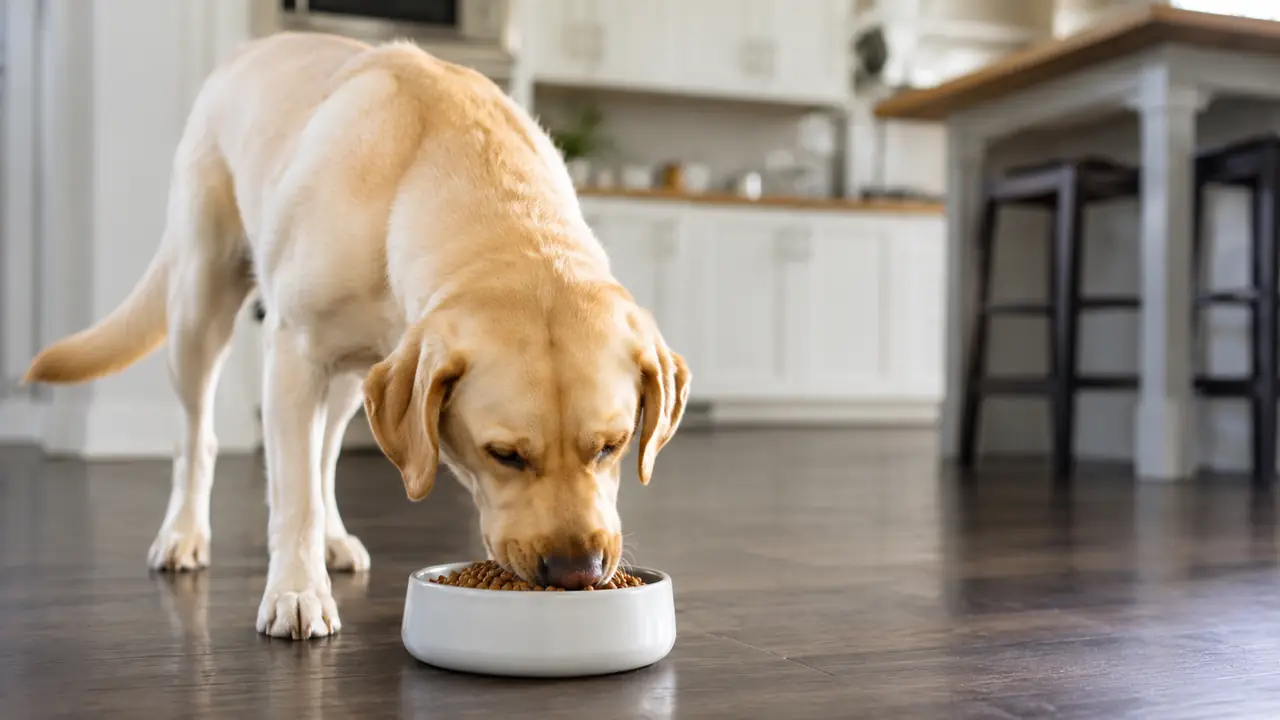
Best Puppy Food: How to Choose Food for Healthy Growth
The best puppy food is not the bag with the most dramatic ingredient list or the highest protein number. It is a complete and balanced growth diet that fits your puppy’s expected adult size, provides enough energy without pushing growth too fast, and is easy for you to measure and feed consistently. Puppies are building bone, muscle, organs, immune function, and lifelong eating habits at the same time, so this is one stage where nutritional adequacy matters more than trend-driven claims.
This guide focuses on the decisions that actually matter: how to read the nutritional adequacy statement, why large-breed puppies need special attention to energy and mineral balance, how often to feed at different ages, what to do when stool or appetite changes, and how to judge whether the portion is right by looking at growth and body condition rather than blindly following the bag.
Start With a Growth-Appropriate Nutritional Adequacy Statement
Choose a food labeled complete and balanced for growth or for all life stages when that statement is appropriate for your puppy. For puppies expected to become large adults, pay special attention to wording that confirms the formula is suitable for the growth of large-size dogs. The adequacy statement matters more than front-of-bag words such as natural, premium, ancestral, or holistic.
Turn the bag around before looking at the ingredient claims on the front. Find the small nutritional adequacy statement, often near the feeding directions. In the United States it may say the food meets AAFCO nutrient profiles for growth, or that feeding trials substantiate its adequacy for a specified life stage. Both are recognized ways to substantiate adequacy; neither, by itself, tells you whether that particular food agrees with your puppy. A statement for adult maintenance alone is not a suitable basis for a puppy's everyday diet.
For a puppy expected to weigh 70 pounds (about 32 kilograms) or more as an adult, read the qualification carefully. Some growth or all-life-stages statements specify that the diet includes growth of large-size dogs; others explicitly exclude it. The distinction matters even when the front says “puppy.” If you cannot find the full statement on a product listing, ask the manufacturer for a photograph of the label or a written copy before purchasing.
Another useful question is who designs and checks the formula. A manufacturer should be able to explain the credentials of its nutrition experts, quality-control practices, calorie density and how nutritional adequacy was established. A short, attractive ingredient list is not an alternative to those answers. Compare two candidates by suitability for growth, evidence and the puppy's response, not the number of fashionable ingredients printed in large type.
These label-reading principles are described by the FDA's guide to complete and balanced pet food and the WSAVA nutrition toolkit. They help narrow a confusing shelf to a few plausible choices; your veterinarian can then help account for a puppy with a medical condition or an unusual growth pattern.
Why Puppy Nutrition Is Different From Adult Nutrition
Growing dogs need more energy and different concentrations of several nutrients than mature adults. The challenge is not simply to feed more food; it is to provide the right nutrient density while avoiding uncontrolled calorie intake. Fast visible growth is not automatically better growth, especially for puppies genetically destined to become large or giant adults.
A puppy is not simply a smaller adult dog with a bigger appetite. Growing tissues require nutrients and energy in the correct relationship, and bones develop over many months. Feeding larger portions of an adult maintenance diet is not a reliable substitute for a properly formulated growth diet: extra calories do not automatically supply the mineral and nutrient balance growth requires. Equally, a formula marketed as extremely rich is not inherently superior to one that supports steady, lean development.
Look at the entire feeding pattern rather than a single meal. A puppy that is eating its measured growth diet may also receive food from family members, enrichment toys and training sessions. Those extras add calories without necessarily supplying the balanced nutrients found in the main ration. If the puppy's waist is disappearing, begin by identifying uncounted extras rather than deciding that the puppy needs a supposedly lighter “adult” food.
Growth rate also differs dramatically between a toy breed and a giant breed. Two puppies the same age should not necessarily eat the same number of meals, portion size or number of calories relative to body weight. Breed expectations, the condition of the individual dog and regular veterinary weigh-ins are more useful than comparing the puppy with images of fast-growing dogs on social media.
A simple record can be surprisingly revealing: note the food and quantity offered each day, record weekly or veterinary-recommended weights and ask the clinic to demonstrate body-condition scoring. The AAHA nutrition and weight-management guidelines recommend nutrition assessment throughout life, including attention to body condition, muscle condition and individual feeding practices.
Large-Breed Puppies: Growth Rate Matters
Large- and giant-breed puppies should grow steadily and stay lean rather than being encouraged to become heavy quickly. Excess calories can accelerate weight gain, while inappropriate calcium balance can complicate skeletal development. A purpose-formulated large-breed puppy food makes this easier because the energy and mineral profile is designed around controlled growth.
The goal with a large- or giant-breed puppy is controlled, appropriate growth, not the fastest possible gain. Heavy body condition adds load to developing joints, while an unsuitable mineral balance can be particularly problematic during skeletal development. A complete growth diet formulated to include large-size dogs simplifies the task. It should be fed in measured amounts and adjusted as your veterinarian follows the puppy's growth trajectory.
Do not give extra calcium, bone meal or a “growth booster” because the puppy's legs look long or its littermate looks bigger. Adding a mineral to an already balanced food can upset proportions that the manufacturer worked to control. If there is a concern about bone shape, lameness or delayed growth, it requires examination rather than an experimental supplement. Exercise, genetics and orthopedic health also influence how a large youngster moves.
A visible waist and ribs that are easy to feel under a light covering of tissue are more useful everyday observations than the number on a bag's feeding chart alone. Ask the veterinary team which body-condition score is appropriate, especially for a very young puppy whose shape is still changing. Make portion adjustments based on repeated assessments, not one dramatic growth spurt or one day's appetite.
A puppy predicted to reach large adult size deserves early dietary planning even if it currently fits in your arms. The AAHA guidance on obesity prevention specifically discusses large-breed growth diets, monitoring body condition and avoiding excessive weight gain during development. Product choice and portion size should work together rather than being treated as separate decisions.
Protein, Fat and Calories: Look Beyond One Number
Protein supports growth, but a single high protein percentage does not tell you whether the entire diet is balanced. Fat drives calorie density, which can be useful for a very active small puppy but easy to overfeed in a fast-growing large puppy. Compare calories per cup or can as well as the guaranteed analysis so portions are based on energy, not scoop size alone.
Numbers printed on pet-food labels need context. A canned food contains far more water than kibble, so its protein percentage as fed may look lower even when its nutrient concentration on a dry-matter basis is comparable. Guaranteed analysis figures are also minimums and maximums rather than a full description of the finished nutrient profile. If two foods look dramatically different, ask the companies for comparable typical analyses instead of using headline percentages to declare a winner.
Fat supplies concentrated energy. That may be convenient when a small puppy struggles to eat a sufficient volume, but energy-dense food also makes it easy to overfeed. Check the metabolizable-energy statement, commonly shown as kilocalories per cup, can, pouch or kilogram. Household scoops vary; weighing kibble or using a manufacturer-defined measuring cup can make daily portions far more consistent.
Consider this example without turning it into a universal feeding prescription: switching from one dry food to another while keeping the scoop volume unchanged may change daily calories substantially. First compare both products' calorie values, then work out the equivalent daily allotment as a starting estimate. Reassess against the puppy's weight and body condition because no conversion calculation can tell you exactly how much an individual puppy requires.
Protein quality and overall balance matter more than chasing the highest crude protein number. An appropriate growth food must supply essential amino acids alongside sufficient energy, minerals and other nutrients. If the food company cannot provide calorie information or answer reasonable nutrient-analysis questions, consider a more transparent option. The WSAVA food-selection resources explain why ingredient lists and promotional claims are poor stand-ins for nutritional evidence.
How Often to Feed a Puppy
Young puppies generally do better with several smaller meals because their stomach capacity is limited and their energy needs are high. Many owners begin with three or four meals daily and gradually move toward two meals as the puppy matures. Toy-breed puppies and puppies with medical concerns may need a more individualized schedule from a veterinarian.
Meal timing should reflect age, body size, daily routine and any health concerns. Young puppies often do well with multiple smaller meals spaced through waking hours. As they mature, many can transition toward two regular meals. This is a gradual practical adjustment, not a deadline set by a calendar. Very small puppies and those with health issues may need a different schedule decided with their veterinarian.
Rather than leaving a full bowl out all day, measured meals show you how much the puppy actually eats. They also make house-training and appetite monitoring easier. If breakfast disappears immediately but dinner is barely touched, review treat use, meal size and the time between meals. A predictable routine helps you notice a meaningful appetite change instead of guessing whether the puppy has eaten enough.
Busy households can divide the day's measured allotment into several containers in the morning. A portion can be reserved for midday feeding or training, preventing two family members from each serving what they think is the full meal. Feed puppies separately where competition or bullying occurs; excitement around another dog's bowl can distort how much either animal consumes.
A puppy that is weak, trembling, repeatedly vomiting, unusually sleepy or refusing meals needs prompt professional assessment, particularly if small or very young. Do not assume every episode of vomiting yellow fluid is simply an empty stomach. Tell the clinic the puppy's age, last meal, drinking and urination history, and associated symptoms so it can advise on urgency.
How Much to Feed: Use the Bag as a Starting Point
Feeding charts are estimates based on averages. Start near the manufacturer’s growth guidance, measure accurately, and then watch body condition, stool quality, appetite, and the puppy’s growth trend. A puppy should look athletic rather than round, with ribs easy to feel under a light covering and a visible waist developing as body shape matures.
The feeding table is an estimate, not a prescription. It may ask for the puppy's present weight, predicted adult weight or age; use the correct column and check whether the amount refers to a full day rather than each meal. Divide the daily allowance among meals. If you feed two different complete diets, calculate the calories from both instead of adding two full manufacturer-recommended portions together.
A kitchen scale reduces portion drift, especially for calorie-dense kibble. Record the actual amount placed in the bowl and subtract any food moved into treat pouches. Ask your veterinarian to interpret weight changes against the puppy's expected growth pattern, not adult weight-loss advice. Growing puppies should not be put on an improvised restrictive diet to reach a number seen online.
Learn to assess body condition with your hands. Feel the ribs, inspect the waist from above and look for an abdominal tuck from the side, allowing for breed and age differences. A thick coat can disguise weight gain, so sight alone is unreliable. If you cannot tell whether the puppy is lean or underweight, ask the clinic to score the puppy while you watch and explain the result.
Adjust gradually and reassess rather than changing the food and quantity every time appetite varies. A weekly log of body weight, stool quality and measured intake gives more useful information than a single photograph. AAHA's feeding-plan guidance recommends checking actual intake, body condition and treat calories when deciding whether portions are appropriate.
Wet, Dry, Fresh or Mixed Feeding
A puppy can grow normally on dry, wet, fresh-cooked, or a combination of formats when the total diet is complete and balanced for growth. Moisture, cost, convenience, dental comfort, and calorie density differ between formats, but the core question stays the same: is the main diet nutritionally complete for the puppy’s life stage and are total daily calories controlled?
Format matters less than nutritional suitability, digestibility and a feeding method you can maintain. Complete growth-appropriate canned food can be a valid main diet; so can suitable kibble. Softening dry food with water may help a teething puppy, provided it is served and handled hygienically. “Fresh” is a description of presentation, not proof that a recipe contains the correct calcium, phosphorus and other nutrients for growth.
Check whether a topper, broth, pouch or refrigerated product says complete and balanced for growth or is intended for supplemental feeding only. A small amount of a supplementary topper is different from replacing half of the day's balanced ration with it. If you mix foods, measure the calorie contribution of each and make sure the combination does not substantially displace essential nutrients.
Safe storage is part of food selection. Seal dry food, follow the package's storage directions, refrigerate opened wet food promptly and discard uneaten moist food appropriately for the ambient temperature. Wash food bowls and utensils regularly. Avoid treating raw meat as a harmless upgrade: it carries pathogen risks for dogs and people, and achieving complete nutrient balance during growth is difficult without a professionally formulated recipe.
Think through cost per day and whether the puppy comfortably accepts the texture before buying a large supply. A sensible food used consistently is more useful than repeatedly rotating highly marketed products. If a puppy has a swallowing problem, oral pain, recurrent gastrointestinal symptoms or a medically prescribed texture, ask the veterinary team to help choose a safe format.
Treats, Chews and Training Calories
Training is constant during puppyhood, so treat calories can quietly become a meaningful share of the day. Use very small rewards, consider reserving part of the puppy’s measured meal for training, and keep high-calorie chews occasional. The more extras you feed, the less room remains for the complete diet that supplies balanced vitamins and minerals.
Puppy training can involve dozens of tiny rewards in one afternoon. Those pieces still count as food. Set aside part of the measured daily ration for simple exercises, and use tiny high-value rewards only where needed. Food used for training should not become an invisible extra meal that pushes the puppy's calorie intake beyond its needs.
A long-lasting chew can still supply substantial calories. Count treats, chews, table scraps and other extras by their calories, not by the number of items. AAHA advises keeping noncomplete foods at no more than about 10% of daily calorie intake to protect dietary balance; puppies with growth, weight or medical concerns may need an individualized plan with their veterinary team.
A family can manage rewards without becoming rigid: fill one container with the day's approved training food, tell everyone to take from that container and stop replenishing it until the following day. For an exciting skill, reward with play, praise or access to an activity when the puppy values it; not every good choice has to be followed by another snack.
Consider chewing safety as well as calories. Select products appropriate to the puppy's mouth size and chewing style, supervise use and avoid hard objects that risk dental injury or pieces that can be swallowed. If a chew causes gagging, vomiting or difficulty passing stool, seek professional advice. The AAHA guidance on treats also recommends accounting for table scraps, toppers and foods hidden inside toys.
Changing Puppy Food Without Creating a Stomach Problem
Unless a veterinarian tells you otherwise, transition gradually over several days by increasing the new food while decreasing the old. A puppy with repeated vomiting, significant diarrhea, blood in stool, marked lethargy, or poor appetite needs veterinary attention rather than repeated food switching, because young puppies can become dehydrated quickly.
A gradual transition gives the digestive tract time to adjust and makes a reaction easier to interpret. For a healthy puppy changing routine foods, progressively mixing the new diet with the previous one over several days is often reasonable. AAHA describes a four-to-seven-day adjustment period as one approach to reduce gastrointestinal upset; some dogs need longer. A veterinarian may direct a different transition for a therapeutic diet.
Write down the exact product and amount before you start. If stool becomes slightly softer, avoid changing three other things at once: rich treats, new chews and table scraps can confuse the picture. Persistent loose stool, blood, repeated vomiting, lethargy or a drop in drinking and appetite should trigger veterinary contact rather than another casual brand change.
Puppies are especially vulnerable to the consequences of vomiting and diarrhea. Their symptoms are not always dietary; intestinal parasites, infection, swallowing a foreign object and other illnesses can look similar. A puppy that cannot keep water down, becomes weak or develops painful abdominal signs needs urgent professional assessment. Transition instructions are never a reason to postpone care for a sick puppy.
If a food switch was prompted by recurrent itching, ear inflammation or chronic digestive signs, involve your veterinarian before starting a sequence of trial-and-error “sensitive” foods. Diagnostic diet trials have stricter rules than an ordinary transition. For routine changes in otherwise healthy pets, see AAHA's feeding-plan recommendations and follow individualized advice when the puppy has medical concerns.
When a Puppy Seems Always Hungry
Puppies often act enthusiastic about food even when portions are adequate. Before increasing food, check body condition, actual calorie intake, treats, and growth trend. Persistent ravenous appetite combined with poor growth, diarrhea, a pot-bellied appearance, or weight loss deserves a veterinary check for parasites or other medical causes.
Puppies often learn that approaching a kitchen or sitting near a person produces food. Eagerness at the bowl is not the same as documented underfeeding. Begin by checking what the puppy actually receives: meals, hidden treats, handouts from children and food stolen from another pet. Compare the combined calories with the feeding plan and ask the clinic to assess growth and body condition.
Eating quickly does not necessarily mean a portion is too small. Some puppies benefit from feeding puzzles, scatter feeding in a clean safe area or dividing the prescribed ration among meals and training activities. Supervise enrichment items and use designs that cannot break or be swallowed. Never withhold needed food as a way of forcing slower eating or training compliance.
There is an important difference between a food-motivated puppy and one that is failing to gain expected weight despite adequate intake. A potbellied appearance, poor coat, chronic diarrhea, vomiting or notable weight loss calls for a veterinary examination. Parasites, absorption problems and other illness can affect growth; none can be diagnosed by appetite alone.
If your puppy's body condition is appropriate and its growth is on track, the practical goal may be managing opportunities to beg rather than continually enlarging meals. Establish feeding times and reward calm behavior without always reaching for food. Your veterinarian can show you the body-condition scoring system used to decide whether apparent hunger calls for nutritional adjustment.
Food Allergies and “Sensitive” Puppy Formulas
True food allergy is not the default explanation for every itchy or soft-stooled puppy. Parasites, infections, environmental triggers, abrupt diet changes, and simple overfeeding are common alternatives. If an allergy is genuinely suspected, a structured veterinary elimination trial is more useful than repeatedly buying different retail foods labeled sensitive.
A “sensitive puppy” label can describe many things, from a particular texture to a different protein or a marketing concept. It is not itself a diagnosis. Itching may arise from fleas, skin infection or environmental allergens; loose stool may follow an abrupt diet change, parasites or an illness. A puppy with persistent symptoms needs an examination rather than endless swaps between products bearing reassuring names.
True food reactions can occur in young dogs, but diagnosing them requires a careful history and, where appropriate, a controlled diet trial. Some over-the-counter limited-ingredient diets contain traces of other proteins that are unhelpful during a diagnostic trial. A veterinary diet selected for elimination testing must also be nutritionally suitable for a growing dog; an adult maintenance trial food is not automatically appropriate for a puppy.
Before the appointment, collect the names or photos of everything the puppy consumes: the primary food, flavored dental products, treats, chews, supplements and any flavored medication. Note when symptoms began, whether they are seasonal and whether there are vomiting episodes, painful ears or sores. The objective is to make an informed differential diagnosis, not to identify one ingredient as guilty based on an online list.
AAHA's dog allergy overview and the Merck Veterinary Manual explain why symptom patterns alone do not confirm food allergy. Never start a highly restrictive home-prepared diet in a growing puppy without a veterinarian and a qualified veterinary nutrition professional ensuring adequacy.
When to Move From Puppy Food to Adult Food
The right time depends on expected adult size and growth rate rather than one universal birthday. Small breeds often mature sooner, while large and giant breeds can continue skeletal growth much longer. Your veterinarian can help decide when growth is sufficiently complete to move to an adult maintenance diet without cutting growth nutrition too early.
There is no single birthday at which every dog should leave puppy food. Small dogs generally reach skeletal maturity earlier than giant breeds, and age alone does not reveal whether growth is complete. Ask your veterinarian about expected mature size, current growth trajectory and body condition before moving from a growth formula to an adult-maintenance formula.
The switch is not an emergency for a healthy puppy thriving on an appropriate diet. A growth or all-life-stages product may continue to be suitable under professional guidance, while some adult formulations should not be used until the dog's growth needs have changed. The nutritional adequacy wording remains important even if the same company makes both versions of a product.
Plan the change around a health check when possible. The clinic can review weight and body-condition trends and help decide whether portions should change with the new food's energy density. Growing out of a puppy formula does not mean replacing food on a one-scoop-for-one-scoop basis; compare calories and adjust gradually as needed.
After the transition, monitor appetite, stool, body condition and activity. Spay or neuter status, exercise and the end of rapid growth can all influence energy needs, so a once-successful quantity may no longer fit. The AAHA nutrition guidelines discuss changing needs during growth and why large-breed puppies deserve individual assessment.
Common Mistakes to Avoid
- Choosing food only because meat is listed first
- Adding calcium or vitamin supplements to an already complete puppy diet
- Free-feeding a large-breed puppy without monitoring body condition
- Switching foods every time stool changes for a day
- Letting training treats become a large fraction of daily calories
- Using an adult maintenance diet for a growing puppy without veterinary reason
- Judging growth success by how quickly the puppy becomes heavy
The costly puppy-feeding mistakes are often about growth, not trendy ingredient names. A food intended for adult maintenance may not meet a growing puppy's needs, and diets for puppies expected to become large adults require particularly careful attention to the label's growth suitability statement. Extra calcium or vitamin tablets can disrupt a diet already formulated as complete and balanced. Avoid judging progress by the largest possible weight gain: record portions, track weight over time, and ask the veterinary team to assess body condition during growth. If diarrhea follows a food change, note the timing and severity rather than assuming that switching brands again is the solution.
A Practical Decision Checklist
- Complete and balanced for growth
- Large-breed growth suitability if relevant
- Calories clearly listed
- Feeding amount is measured rather than guessed
- Body condition checked every couple of weeks
- Treat calories counted
- No unneeded vitamin/mineral supplementation
- Vet involved if growth, stool, appetite, or weight trend is abnormal
Read the nutritional adequacy statement first: it should suit growth and, when relevant, growth of large-size dogs. Check the calorie content and use the feeding guide as a starting estimate, adjusting with body-condition and weight trends rather than guesswork. Count treats within the daily intake and keep any diet change gradual unless the veterinarian advises otherwise. Bring the package label, current portions, and a recent weight record to a growth check. Persistent gastrointestinal signs, poor growth, or a marked appetite change call for clinical advice, not another round of online product rankings.
Frequently Asked Questions
Is grain-free puppy food better? Not automatically. Grain-free is a formulation choice, not a quality grade. Unless there is a specific veterinary reason to avoid a grain, focus first on nutritional adequacy, manufacturer quality controls, and whether the formula fits your puppy’s growth needs.
Can puppies eat adult dog food? A small accidental amount is not a crisis, but adult maintenance food is not designed to be the main diet for a growing puppy. Use a growth-appropriate complete diet unless your veterinarian recommends something different.
Do large-breed puppies need extra calcium? Usually no. Adding calcium to a properly formulated large-breed puppy diet can unbalance the mineral profile. Extra minerals should only be used when a veterinarian or veterinary nutritionist has identified a specific need.
Is wet food okay for puppies? Yes, when it is complete and balanced for growth. Wet food can be helpful for hydration or palatability, but portions still need to be based on calories and the puppy’s growth trend.
How do I know the portion is right? Use the food’s calorie information and feeding chart as a starting point, then refine using body condition, regular weigh-ins, stool quality, and your veterinarian’s growth assessment.
Should I change food if my puppy is picky? First rule out overfeeding, too many treats, dental pain, gastrointestinal illness, or another medical issue. Constantly changing foods can teach some puppies to hold out for novelty and can make digestive upset harder to interpret.
When should a puppy see a vet for eating problems? Promptly if the puppy repeatedly vomits, has significant diarrhea, seems weak or dehydrated, refuses food unusually, loses weight, or is not growing as expected.
The Bottom Line
Choose puppy food by nutritional adequacy, expected adult size, calorie control, and real growth—not by marketing language. Feed measured meals, keep your puppy lean, count training calories, and use regular veterinary checks to confirm that growth is steady and healthy.