Built for movement, endurance, and outdoor activity.
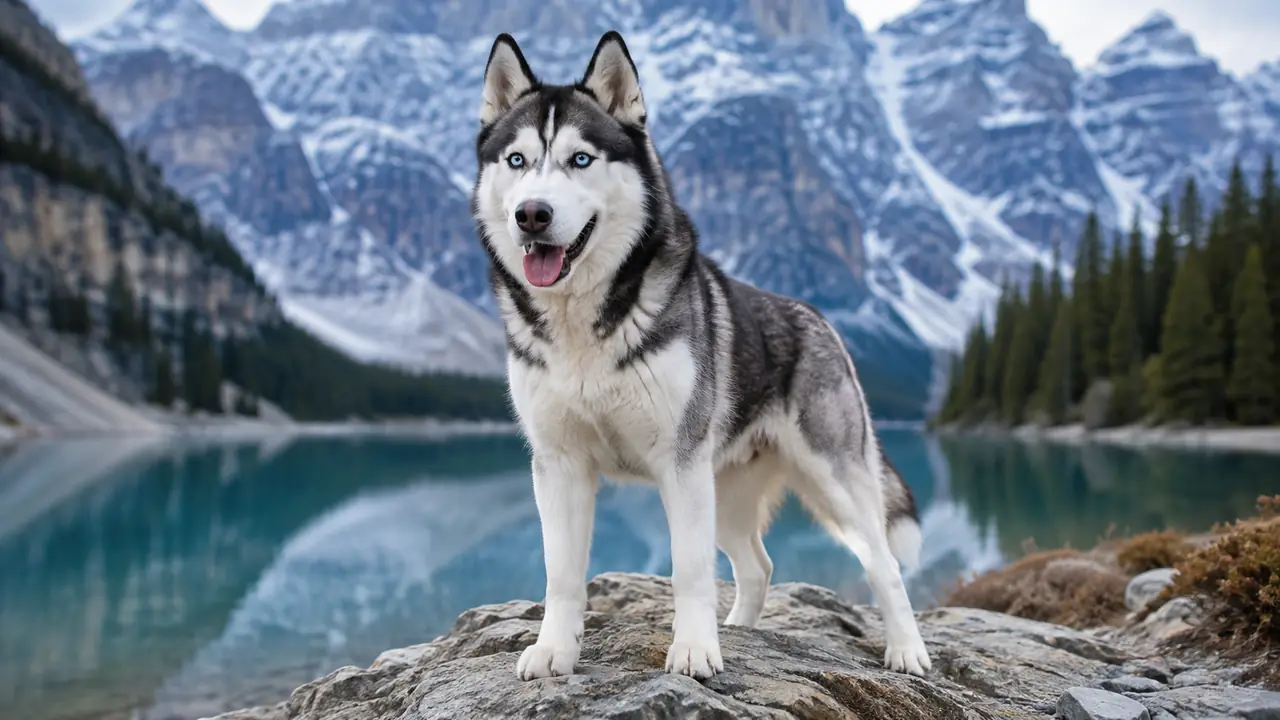
Dog Breed Guide
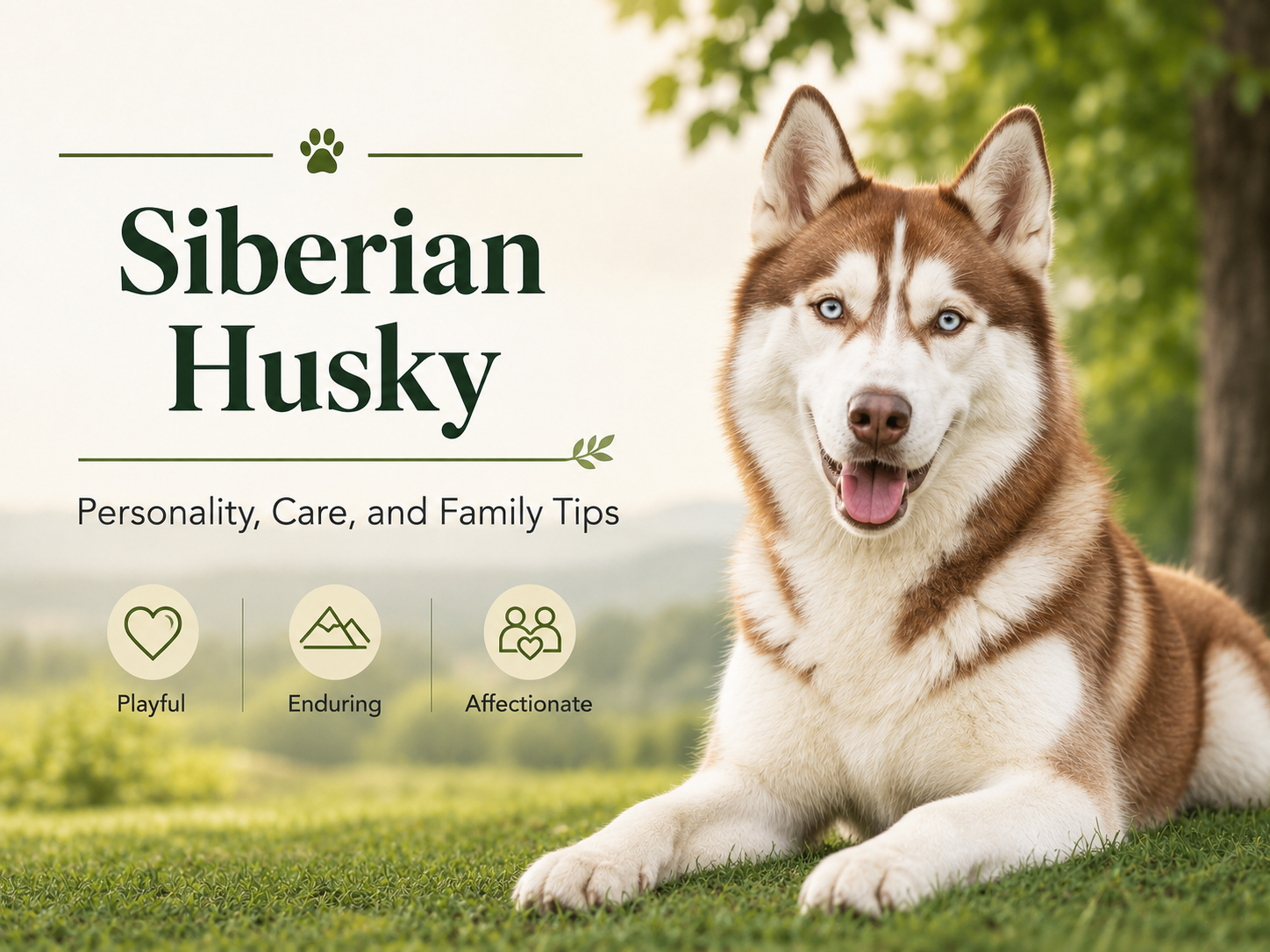
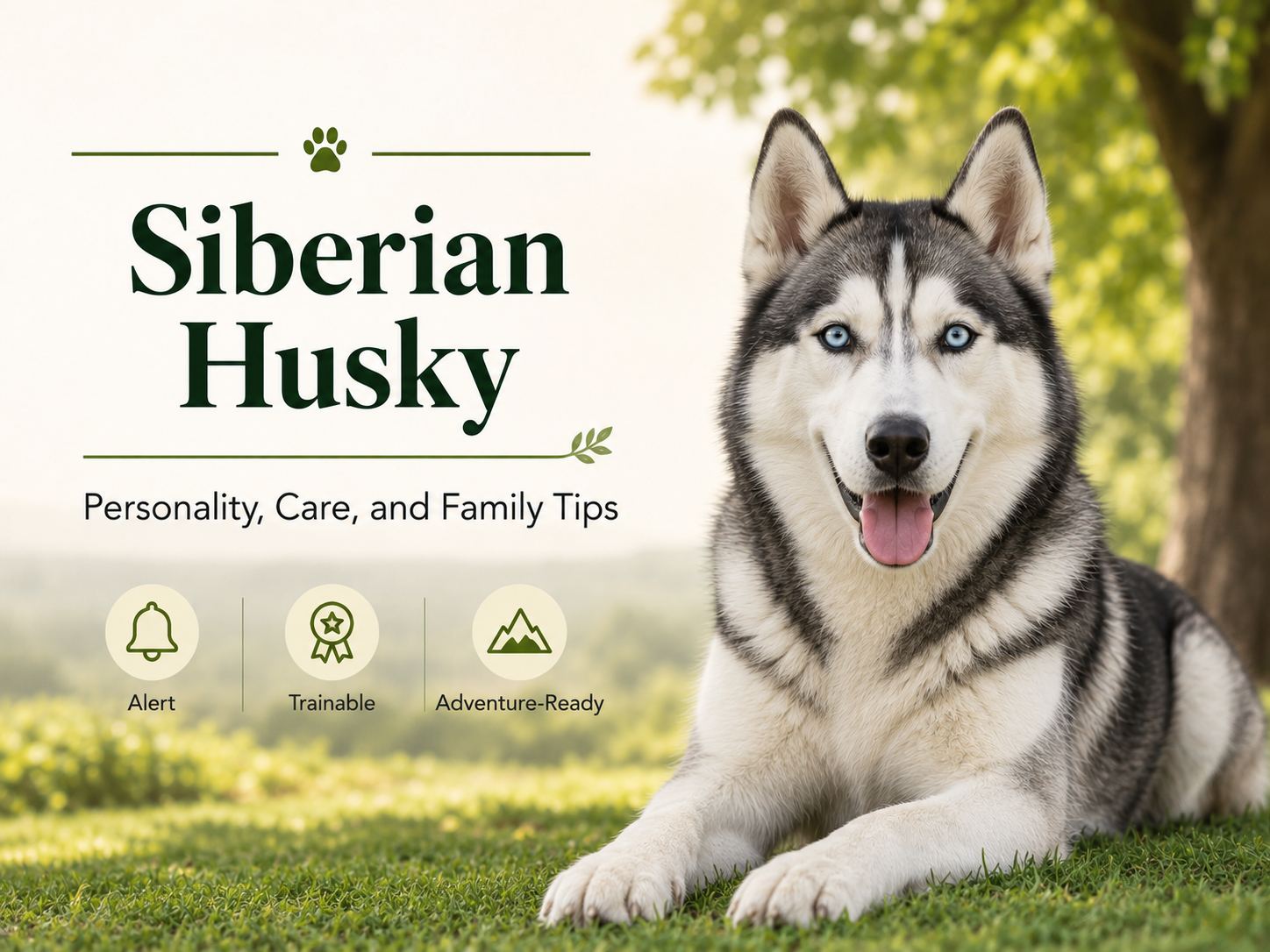
Siberian Husky: Personality, Care, and Family Tips
A practical, human-written guide to the Siberian Husky’s temperament, exercise, training, grooming, shedding, heat safety, family life, and useful product ideas.
The Siberian Husky is a beautiful, energetic, independent dog with a thick coat, strong movement, bright expression, and a natural desire to explore.
Many people fall in love with the Husky because of its striking eyes, wolf-like appearance, and athletic look. But this is not a breed to choose only because it looks impressive in photos. A Husky needs real daily activity, safe management, patient training, grooming, and a family that understands independence.
A Siberian Husky can be friendly, playful, affectionate, social, and funny. It can also be stubborn, vocal, curious, strong on leash, and very interested in anything that moves beyond a gate or across a field.
This detailed guide explains what daily life with a Siberian Husky is really like, including personality, exercise needs, recall, apartment life, heat safety, grooming, shedding, health notes, family life, and product ideas for responsible owners.
Often friendly, curious, vocal, and strong-minded.
Needs real walks, enrichment, structure, and safe outlets.
Recall, secure fences, heat management, and coat care matter.
01
Breed Overview
The Siberian Husky is a medium-sized northern working breed known for endurance, a dense double coat, upright ears, a balanced athletic body, and a strong interest in movement and exploration.
The breed was developed for pulling sleds over long distances in cold environments. Even as a family dog today, many Huskies still show traits connected to that history: stamina, teamwork, curiosity, independence, and a desire to move.
This does not mean every Husky is the same. Some are calm at home after proper exercise, while others are highly vocal, energetic, or easily distracted. But most need more daily structure than people expect.
Detailed owner fact
A Siberian Husky may look relaxed indoors, but it usually needs meaningful outdoor time, leash manners, mental work, safe containment, and a family that does not rely on appearance alone when choosing the breed.
02
Personality and Temperament
The Siberian Husky is often friendly, lively, curious, social, and playful. Many Huskies enjoy people, outdoor activity, other dogs, and being part of household life.
This breed is not always a natural guard dog. Some Huskies greet visitors with excitement rather than suspicion. Their impressive appearance can make people assume they are serious watchdogs, but personality can be much more social than expected.
Huskies are also independent. They may understand what you ask and still decide that a smell, bird, cat, open gate, or moving object is more interesting. This independence is not lack of love. It is part of the breed’s character.
Many Huskies are also vocal. They may howl, “talk,” grumble, complain, or make unusual sounds when excited, bored, frustrated, or expecting something. This can be funny, but it should be considered seriously by people living in apartments or close neighborhoods.
- 01Usually social and people-friendly.
- 02Often independent and easily distracted outdoors.
- 03Can be vocal, expressive, and dramatic.
- 04Needs routine and calm boundaries.
- 05May become destructive if bored or under-exercised.
- 06Does best with owners who enjoy active dog care.
03
Daily Care Needs
Daily care for a Siberian Husky should include structured walks, safe outdoor time, measured meals, fresh water, grooming checks, mental stimulation, rest, training, and secure management of doors, gates, and fences.
A Husky should not be expected to entertain itself in a yard all day. A bored Husky may dig, vocalize, chew, pace along fences, or look for ways to escape. The yard can be useful, but it is not a substitute for walks, sniffing, training, and relationship.
Daily life should also include calm time indoors. An active dog still needs to learn how to rest. Teaching a Husky to settle on a bed, relax after walks, and remain calm when guests arrive can make family life much easier.
- 01Plan real walks and outdoor enrichment every day.
- 02Use secure doors, gates, and fences.
- 03Offer measured meals and count training treats.
- 04Brush and check the coat regularly.
- 05Provide mental tasks such as scent games or training.
- 06Teach calm rest and gradual alone time.
Practical routine tip
A balanced Husky routine may include a morning walk, breakfast, rest, a short training session, safe enrichment, an evening walk in cooler weather, brushing during shedding periods, and quiet sleep time.
04
Exercise Needs
The Siberian Husky has high exercise needs, but the goal is not simply to make the dog exhausted. A constantly over-exercised dog can become even fitter and harder to satisfy.
Good exercise includes walking, sniffing, exploring safe routes, training during walks, scent games, controlled running where safe and appropriate, and activities adapted to age, health, and weather.
Recall and freedom must be managed carefully. Many Huskies can be strongly motivated by movement, scent, or prey-like distractions. In unfenced areas, a long line is often safer than full off-leash freedom unless recall is truly reliable.
- 01Use daily walks with time to sniff and explore.
- 02Add training moments during walks.
- 03Use a long line in safe open spaces when needed.
- 04Avoid intense activity during hot weather.
- 05Do not overwork growing puppies.
- 06Balance physical activity with mental enrichment and rest.
05
Training Tips
The Siberian Husky can learn very well, but training must be realistic. This breed may not repeat commands endlessly just to please the owner.
Training works best when sessions are short, positive, clear, and meaningful. Rewards, movement, praise, toys, and food can all help, but the owner must stay consistent.
Recall should be trained carefully from the beginning. Practice first indoors, then in a safe yard, then with a long line, and only later with more distractions. Calling the dog should not always mean the fun is over.
Leash walking is also essential. Huskies are strong, athletic dogs and may naturally pull. Calm leash training, suitable equipment, and repeated practice are important.
- 01Start recall training early and keep it positive.
- 02Practice loose-leash walking every day.
- 03Teach “leave it,” “wait,” and “settle.”
- 04Reward calm greetings and controlled excitement.
- 05Train around distractions gradually.
- 06Avoid turning training into a power struggle.
Recall safety tip
Do not call a Husky only when it is time to leave the park. Call, reward, release back to exploring, and repeat. This helps the dog learn that returning does not always end the fun.
06
Grooming Needs
The Siberian Husky has a dense double coat. The undercoat is soft and insulating, while the outer coat helps protect the dog from weather. This coat is beautiful, but it brings serious shedding.
During shedding seasons, a Husky can lose a very large amount of hair. Owners should be ready for hair on floors, clothing, furniture, cars, and bedding.
Regular brushing helps remove loose undercoat and keeps the skin easier to check. Bathing should be done when needed, and the coat should be dried properly. Shaving a Husky’s double coat is not a normal solution for heat and should not be done without specific veterinary guidance.
- 01Brush regularly, especially during shedding seasons.
- 02Use tools appropriate for double coats.
- 03Check ears, paws, nails, skin, and teeth.
- 04Check the coat after nature walks for seeds or debris.
- 05Avoid shaving unless a veterinarian specifically advises it.
- 06Keep bedding and grooming tools clean.
07
Health and Safety Notes
Health and safety for a Siberian Husky include exercise management, heat safety, secure containment, weight control, coat care, eye observation, joint comfort, and regular veterinary checkups.
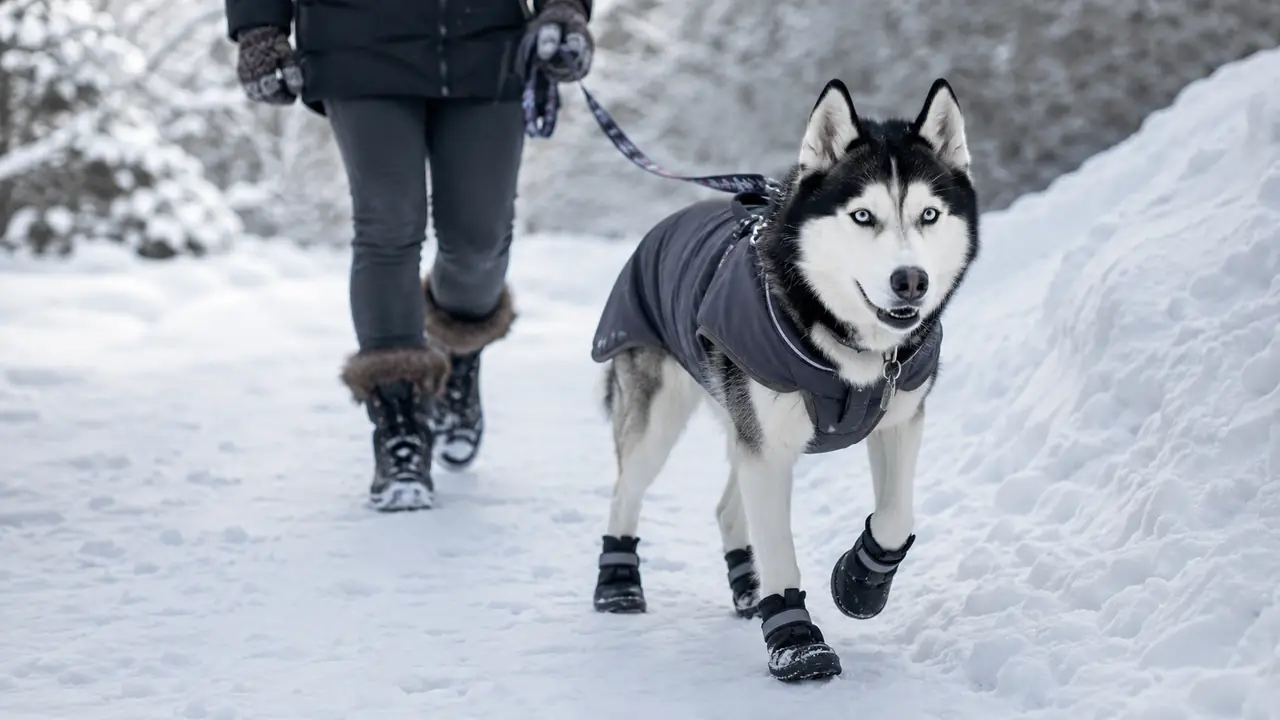
Heat deserves special attention. The Husky’s dense coat and active nature mean summer routines must be planned carefully. Walk early in the morning or later in the evening, avoid hot pavement, keep water available, and provide a cool resting place.
Escape prevention is also a health and safety issue. A Husky that gets through a gate can run into traffic, chase animals, become lost, or get injured. Doors, fences, garden boundaries, car doors, and leash clips should be checked seriously.
Contact a veterinarian if your dog shows limping, eye problems, unusual tiredness, appetite changes, persistent vomiting or diarrhea, heat distress, breathing trouble, sudden behavior changes, or pain.
Important safety note: Never leave a Husky in a hot car or force intense activity in heat. If the dog seems overheated, weak, confused, collapses, or cannot recover normally, seek urgent veterinary care.
08
Is This Breed Good for Families?
The Siberian Husky can be a good family dog for active, present, patient families. It often enjoys being involved in daily life and may be playful, affectionate, and entertaining.
With children, supervision matters. A young Husky can be excited, strong, bouncy, and fast. Even without bad intentions, it may knock over a small child during play.
Children should not pull the tail, grab the coat, disturb the dog while resting, approach the food bowl, or encourage chasing games that increase excitement too much.
The best family for a Husky is not necessarily the biggest home. It is a family that can provide exercise, structure, secure management, grooming, summer care, and consistent rules.
- 01Best for active families that enjoy outdoor routines.
- 02Needs supervision with small children.
- 03Requires secure doors, gates, fences, and leashes.
- 04May be vocal, energetic, and independent.
- 05Needs family members to follow the same rules.
- 06Not ideal for owners who want a very low-energy dog.
09
Best Products for This Breed
The best products for a Siberian Husky are practical items that support safe walking, coat care, cooling, enrichment, containment, and active daily routines. Choose products based on your dog’s age, size, coat condition, chewing habits, and veterinary advice when needed.
Secure harness and strong leash
Useful for safe walks and managing a strong, active dog without relying on weak equipment.
Long line for recall practice
Allows controlled exploration while building recall in safe open areas.
Double-coat grooming tools
Helpful for removing loose undercoat during shedding seasons when used correctly.
Cooling mat or shaded rest setup
Can support summer comfort, but it never replaces water, shade, ventilation, and avoiding heat.
Food puzzles and scent toys
Useful for mental stimulation when outdoor activity is limited by heat or weather.
Durable washable dog bed
A comfortable rest area helps the dog settle after activity and keeps shedding easier to manage.
When adding affiliate links, recommend only products that genuinely help Husky owners. Avoid products that encourage unsafe off-leash freedom, uncontrolled pulling, or heavy activity in hot weather.
10
Final Thoughts
The Siberian Husky is beautiful, athletic, social, independent, and full of life. It can become an unforgettable companion for the right owner.
But this breed should not be chosen only for its eyes, coat, or wolf-like appearance. A Husky needs real daily care: exercise, recall work, leash training, secure containment, grooming, heat management, and patient guidance.
If a Husky is bored, under-exercised, left alone too often, or managed casually around gates and fences, problems can appear quickly. If the family is active, realistic, and consistent, the same dog can become joyful, balanced, and deeply connected.
For owners who enjoy an active lifestyle and respect the breed’s independent nature, the Siberian Husky can be a very special dog.
11
Medical Disclaimer
This article is for general dog-care information only. It is not veterinary advice and does not replace diagnosis, treatment, or guidance from a qualified veterinarian.
If your Siberian Husky is sick, injured, limping, overheated, refusing food, showing eye problems, vomiting, having diarrhea, acting unusually tired, losing weight, gaining weight quickly, or behaving differently, contact a veterinarian.
Important: Always follow your veterinarian’s advice for diet, exercise limits, coat and skin issues, medication, vaccines, parasite prevention, heat safety, and health concerns specific to your dog.
13
FAQ
Quick answers for people considering or caring for a Siberian Husky.
Is the Siberian Husky good for families?
Yes, for active families that can provide exercise, structure, training, grooming, supervision, and secure management.
Can a Siberian Husky live in an apartment?
It can, but only with enough daily walks, enrichment, training, and a routine that prevents boredom.
Does a Siberian Husky need a lot of exercise?
Yes. It needs regular activity, but exercise should be balanced with training, enrichment, weather awareness, and rest.
Can a Husky be off leash?
Only in secure areas or with very reliable recall. Many Huskies are easily distracted by movement, scent, or animals.
Does the Husky shed a lot?
Yes. The double coat sheds, and during seasonal shedding it can lose a very large amount of hair.
Does hot weather affect a Husky?
Yes. Hot weather requires cooler walk times, shade, water, ventilation, and avoiding intense activity.
What products are useful for a Husky?
A secure harness, strong leash, long line, double-coat grooming tools, cooling-safe rest setup, scent toys, and washable bed can be useful.
What is the biggest mistake with this breed?
Choosing a Husky for appearance while underestimating exercise, shedding, recall, heat safety, and secure containment needs.
Daily Dog Care Guide · Simple tips for a safer, healthier, happier dog.
🐾 Topic-matched picks
Everyday Gear to Compare for This Breed Guide
These are practical grooming, walking, or daily-care examples to compare — not breed-specific prescriptions.
Optional product • paid linkUndercoat Rake for Thick Double Coats
Useful to compare for dense double coats during regular coat maintenance and seasonal shedding.
View on Amazon →Optional product • paid linkSelf-Cleaning Slicker BrushA practical brushing option for coats that need regular detangling and loose-hair removal.
View on Amazon →Optional product • paid linkPortable Dog Water BottleUseful for keeping drinking water available during walks, travel, and warm-weather outings.
View on Amazon →Affiliate disclosure: As an Amazon Associate I earn from qualifying purchases. Always check size, fit, materials, labels, and your dog’s individual needs before buying.
🎨 Color Dogs & Pets
Puppy Breed Color-Along Coloring BookDog-breed inspired color-along fun for creative kids.View book details →A Creative Break for Dog-Loving Kids
Explore puppy coloring and activity books for screen-free creative time, quiet afternoons, travel, and young dog fans.
See all dog-care products & books →Helpful next steps
Continue with a related guide, tool, or product resource.