Sturdy body, short muzzle, close family attachment.
Dog Breed Guide
French Bulldog: Personality, Care, and Family Tips
A practical, human-written guide to the French Bulldog’s temperament, daily care, exercise limits, training, grooming, health notes, family life, and useful product ideas.
The French Bulldog is a small, affectionate companion dog known for its compact body, large “bat ears,” expressive face, and strong attachment to family life.
Many people choose the French Bulldog because it looks cute, lives well in smaller homes, and often enjoys being close to people. But this breed is not a simple “low-care” dog. It has important needs connected to breathing, heat, weight, skin folds, eyes, exercise, and daily routine.
A French Bulldog can be loving, funny, playful, and deeply loyal. At the same time, it needs careful management. Hot weather, heavy exercise, excess weight, and poor ventilation can be serious problems for some dogs of this type.
This guide gives detailed, practical information for owners and families who want to understand the breed honestly before bringing one home.
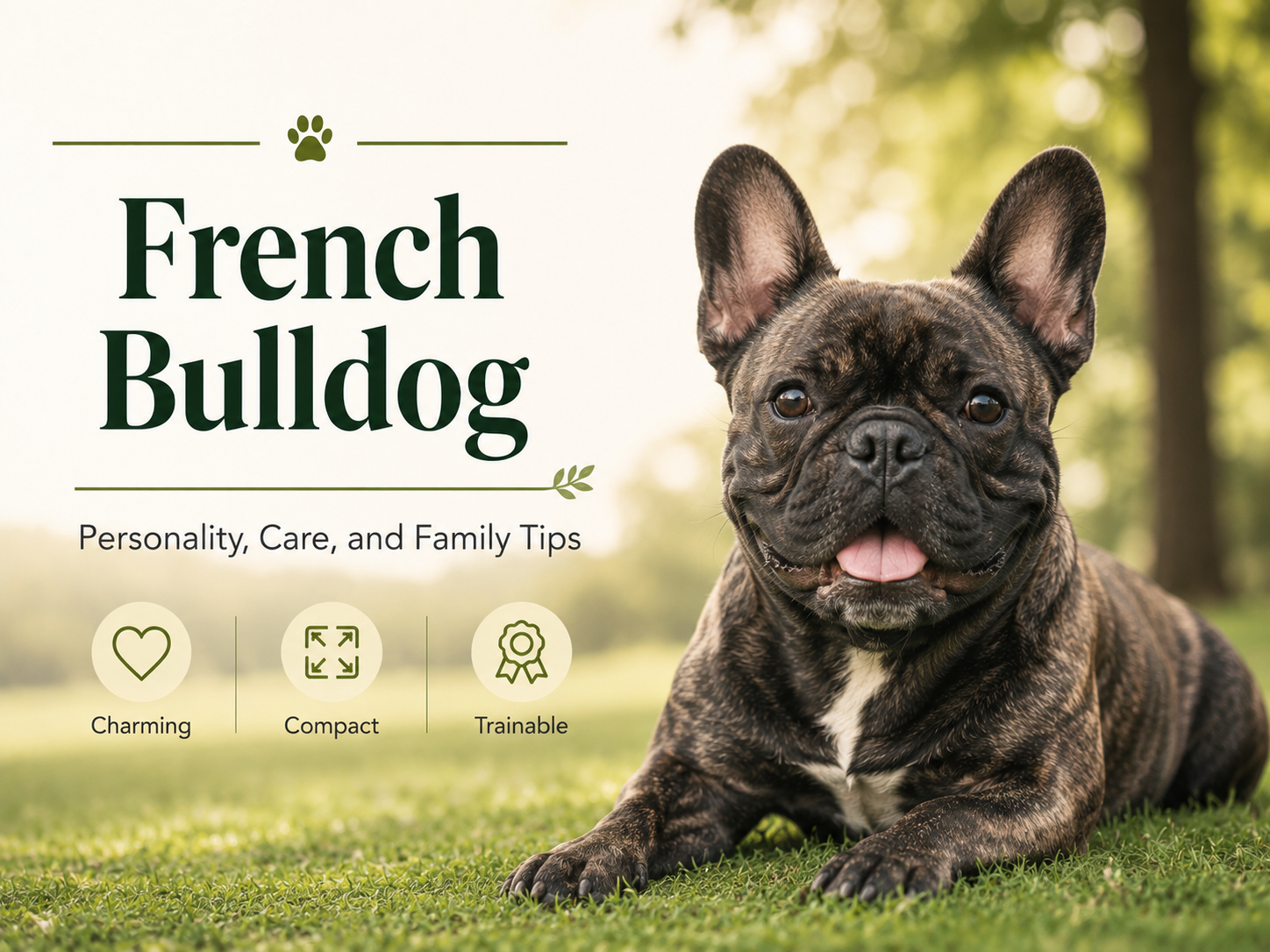
Often social, funny, people-focused, and sometimes stubborn.
Short walks, gentle play, and cool weather activity are best.
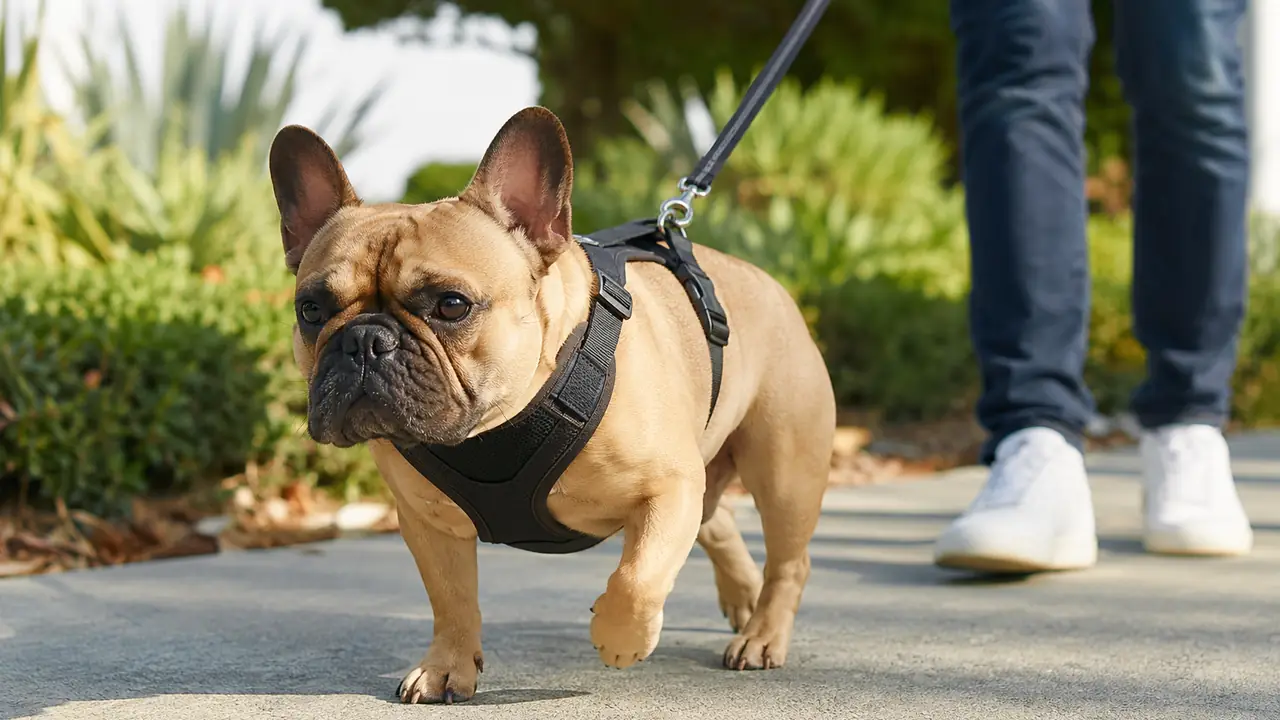
Daily safety depends on careful routine and observation.
01
Breed Overview
The French Bulldog is a small companion breed with a muscular body, short coat, wide chest, short muzzle, and large upright ears. It is popular with people who want a dog that lives close to the family and does not require huge outdoor space.
Although the breed is small, it is not delicate in personality. Many French Bulldogs are confident, expressive, curious, and very present in the home. They often want to know what the family is doing and may follow their people from room to room.
The most important thing to understand is that the French Bulldog’s body shape affects daily care. Its short muzzle can make breathing and cooling less efficient in some situations, so owners must be cautious with heat, exercise, stress, and excess weight.
Detailed owner fact
A French Bulldog may look like a relaxed couch companion, but daily care should still include short walks, controlled meals, gentle training, skin-fold checks, eye observation, and cool resting places.
02
Personality and Temperament
The French Bulldog is usually affectionate, social, playful, and strongly attached to its people. Many Frenchies enjoy sitting near the family, joining household routines, greeting visitors, and making people laugh with their expressive behavior.
This breed can also be determined. If a French Bulldog learns that barking, pawing, jumping, or refusing to move gets attention, it may repeat the behavior. That is why gentle consistency is important from the beginning.
French Bulldogs often prefer human companionship over long periods of independence. Some can become anxious or frustrated if left alone too long without gradual training.
- 01Usually affectionate and people-oriented.
- 02Often playful without needing intense sport.
- 03Can be stubborn when rules are unclear.
- 04May dislike being alone for long periods.
- 05Needs calm socialization and polite handling.
- 06Does best with affection plus boundaries.

03
Daily Care Needs
Daily care for a French Bulldog should be simple but careful. The dog needs measured meals, fresh water, toilet breaks, short walks, gentle play, skin and face checks, rest, and enough time near the family.
Because this breed can overheat more easily than many longer-muzzled dogs, the daily schedule should be planned around the weather. Walks are usually safer in cooler parts of the day, and indoor rest should be in a comfortable, well-ventilated place.
Daily care should also include observation. A French Bulldog owner should notice changes in breathing, energy, appetite, skin, eyes, stool, and walking comfort.
- 01Use measured meals instead of free feeding.
- 02Keep clean water available at all times.
- 03Walk during cooler hours when possible.
- 04Check face folds, eyes, ears, paws, and skin.
- 05Provide a cool, calm resting area.
- 06Build alone time gradually and kindly.
Practical routine tip
A good daily routine may include a short morning walk, breakfast, rest, a few minutes of training, indoor play, an evening walk in cool weather, and quiet time before bed.
04
Exercise Needs
The French Bulldog needs regular movement, but not extreme exercise. This is not a breed for long-distance running, intense ball chasing in hot weather, or heavy physical work.
Short walks, gentle play, simple training games, and safe indoor enrichment are usually better than exhausting activity. Exercise should be adjusted to the dog’s breathing, age, body condition, temperature, and veterinary advice.
Heat and humidity deserve special caution. If the dog is breathing heavily, slowing down, refusing to continue, drooling more than usual, wobbling, or looking distressed, stop activity immediately and seek veterinary guidance if signs are serious or do not improve quickly.
- 01Choose short, regular walks over long intense outings.
- 02Avoid hot pavement and midday heat.
- 03Use indoor play during hot or humid weather.
- 04Take breaks before the dog looks exhausted.
- 05Avoid forcing running, jumping, or stairs.
- 06Ask a veterinarian about safe exercise limits.
05
Training Tips
The French Bulldog is intelligent and often food motivated, but it can also be independent. Training should be positive, short, and consistent.
Long, repetitive sessions can frustrate the dog. A few minutes several times a day often works better than one long session. Rewards can include small treats, praise, toys, or access to something the dog enjoys.
Training should focus on manners that make daily life easier: coming when called, walking calmly, not jumping, waiting for food, settling on a bed, and accepting gentle handling.
- 01Teach name response and recall early.
- 02Practice loose-leash walking at a calm pace.
- 03Reward calm greetings instead of jumping.
- 04Teach “leave it,” “wait,” and “settle.”
- 05Practice gentle face, paw, and ear handling.
- 06Keep rules consistent across the whole family.
06
Grooming Needs
The French Bulldog has a short coat that is usually easy to brush, but grooming is still important. Regular brushing helps remove loose hair, distribute skin oils, and gives owners a chance to check the body.
Skin folds and facial wrinkles need special attention. They should be kept clean and dry according to veterinary guidance. Moisture, redness, odor, swelling, or discomfort around folds should not be ignored.
Eyes, ears, nails, paws, teeth, and tail area also deserve routine checks. A short coat does not mean the dog has no grooming needs.
- 01Brush the short coat regularly.
- 02Keep face folds clean and dry.
- 03Check eyes for redness, irritation, or discharge.
- 04Check ears and paws gently.
- 05Trim nails or ask a professional for help.
- 06Use dog-safe grooming products only.
07
Health and Safety Notes
Health and safety are especially important for the French Bulldog. Because it is a short-muzzled breed, some dogs may have breathing challenges, heat sensitivity, exercise intolerance, noisy breathing, or difficulty cooling down.
Not every French Bulldog has the same level of difficulty, but owners should never treat breathing struggle as normal. Loud breathing, collapse, blue or pale gums, severe heat distress, repeated gagging, or inability to recover after mild activity require veterinary attention.
Weight control matters because extra weight can make movement and breathing more difficult. The dog’s body condition should be checked regularly, and treats should be counted as part of daily food intake.
Important safety note: Avoid hot weather exercise, hot cars, poor ventilation, heavy running, and pushing the dog beyond comfort. If your French Bulldog is struggling to breathe, overheating, collapsing, or acting very weak, seek urgent veterinary care.
- 01Watch breathing during rest and activity.
- 02Avoid heat, humidity, and hot pavement.
- 03Keep body weight healthy.
- 04Check skin folds and eyes often.
- 05Use secure walking equipment.
- 06Schedule regular veterinary checkups.
08
Is This Breed Good for Families?
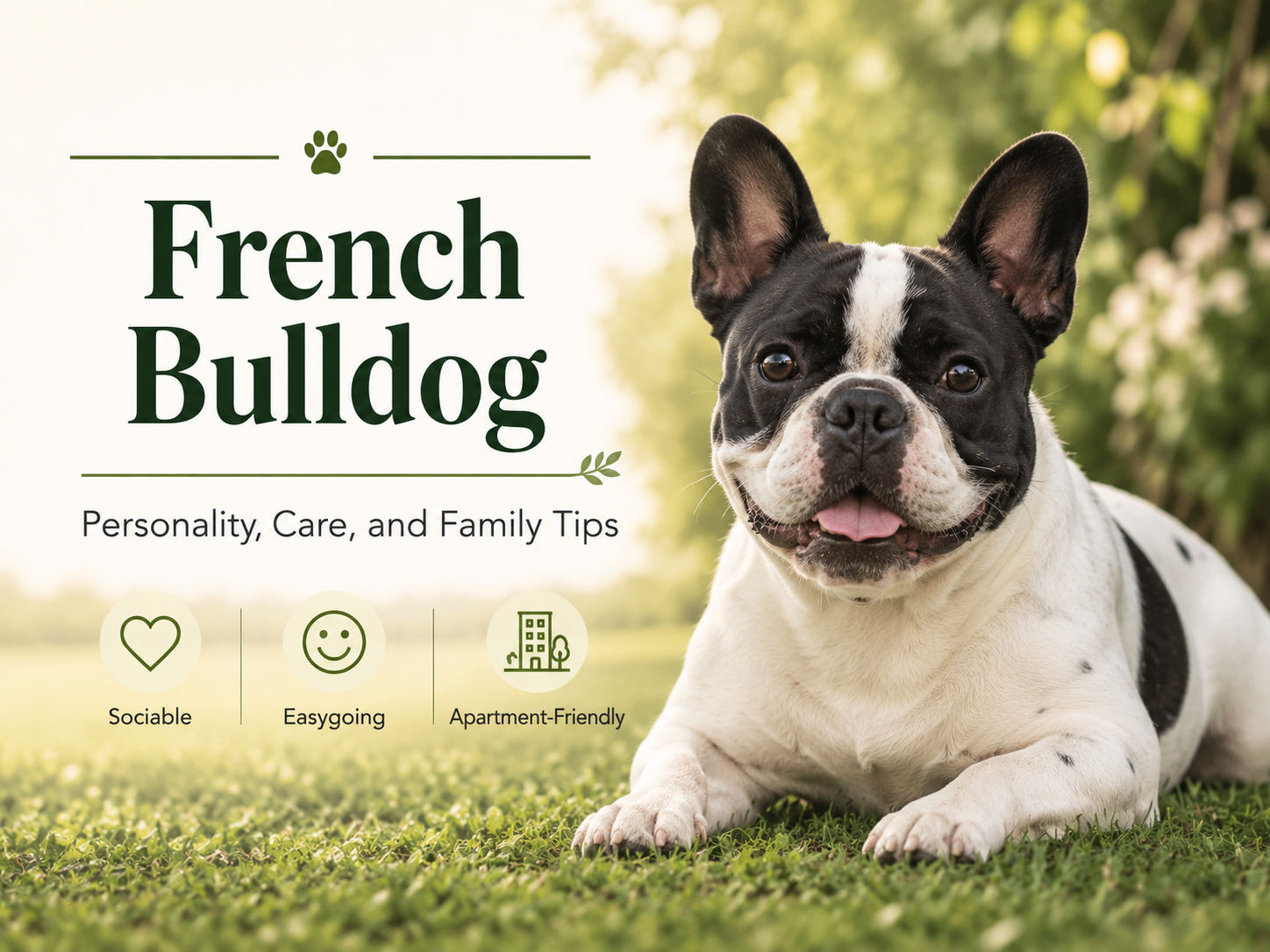
The French Bulldog can be a very good family dog for the right household. It is often affectionate, funny, social, and happy to be close to people.
It can live well with respectful children, but supervision is important. Children should not lift the dog roughly, pull ears, squeeze the body, disturb sleep, or force play when the dog wants to rest.
Families must also understand the breed’s limits. A French Bulldog may enjoy play, but it should not be pushed into long rough games, hot outdoor activity, or intense running.
- 01Good for families that are present and gentle.
- 02Best with supervised child-dog interaction.
- 03Needs a calm place to rest without disturbance.
- 04Not ideal for intense outdoor sport families.
- 05Better for homes that can manage heat and health carefully.
- 06Does best when the whole family follows the same rules.
09
Best Products for This Breed
The best products for a French Bulldog are practical products that support safe walking, cooling, weight control, grooming, comfort, and calm daily routines. Choose products based on your dog’s size, health, chewing habits, and veterinary advice when needed.
Comfortable harness and leash
A well-fitting harness can support calm walks and reduce pressure from pulling when used correctly.
Cooling mat or cooling-safe bed
Helpful during warm days, but it should never replace shade, water, ventilation, and heat avoidance.
Slow feeder bowl
Useful for dogs that eat quickly or become too excited around food.
Rubber grooming mitt
Helpful for removing loose hair from the short coat and checking the body.
Vet-approved fold wipes
May be useful for face-fold care when recommended by a veterinarian.
Portable water bottle
Useful for short walks, travel, and keeping water available in warm weather.
When adding affiliate links, recommend only products that genuinely help French Bulldog owners. Avoid products that encourage heavy exertion, unsafe heat exposure, or rough handling.
10
Final Thoughts
The French Bulldog is affectionate, funny, expressive, and deeply connected to family life. In the right home, it can become a loving and memorable companion.
But this breed should not be chosen only for its cute face or popularity. It has real needs related to breathing, heat, weight, skin folds, eyes, exercise limits, and veterinary care.
A responsible French Bulldog owner plans daily life carefully: short walks, cool resting places, measured meals, gentle training, regular observation, and fast action when breathing or heat signs appear.
With thoughtful care and a present family, the French Bulldog can live a comfortable, happy, and well-supported life.
11
Medical Disclaimer
This article is for general dog-care information only. It is not veterinary advice and does not replace diagnosis, treatment, or guidance from a qualified veterinarian.
If your French Bulldog has breathing difficulty, heat distress, collapse, weakness, persistent coughing or gagging, eye injury, skin infection signs, vomiting, diarrhea, appetite changes, pain, or sudden behavior changes, contact a veterinarian.
Urgent warning: If your dog is struggling to breathe, cannot cool down, collapses, has blue or pale gums, or seems severely distressed, seek emergency veterinary care immediately.
13
FAQ
Quick answers for people considering or caring for a French Bulldog.
Is the French Bulldog good for families?
Yes, it can be a loving family companion for homes that can provide supervision, gentle handling, cool rest, and responsible health care.
Can a French Bulldog live in an apartment?
Yes. It often adapts well to apartment life when it receives companionship, short walks, training, and a comfortable environment.
Does a French Bulldog need a lot of exercise?
No. It needs regular light-to-moderate activity, not intense exercise. Heat, breathing comfort, and body condition must guide activity.
Is hot weather dangerous for French Bulldogs?
It can be. Short-muzzled dogs can struggle more with heat and exercise, so hot weather requires special caution.
Does noisy breathing always mean the dog is fine?
No. Loud or difficult breathing should not be dismissed. If breathing seems uncomfortable or recovery is slow, speak with a veterinarian.
Does the French Bulldog need grooming?
Yes. The coat is short, but face folds, skin, eyes, ears, nails, paws, and bedding still need regular care.
What products are useful for a French Bulldog?
A comfortable harness, leash, slow feeder, cooling-safe bed, grooming mitt, portable water bottle, and vet-approved fold wipes can be useful.
What is the biggest mistake with this breed?
Thinking it is easy just because it is small. French Bulldogs need careful management of heat, breathing, weight, skin folds, and exercise.
Daily Dog Care Guide · Simple tips for a safer, healthier, happier dog.
🐾 Topic-matched picks
Everyday Gear to Compare for This Breed Guide
These are practical grooming, walking, or daily-care examples to compare — not breed-specific prescriptions.
Optional product • paid linkRubber Grooming Brush for Short Coats
A simple coat-care option to compare for short-haired dogs and routine loose-hair removal.
View on Amazon →Optional product • paid linkReflective Adjustable Dog CollarA visibility-focused collar option for routine walks; always check fit and ID-tag security.
View on Amazon →Optional product • paid linkDog Paw Cleaner CupA practical cleanup tool for muddy paws after outdoor walks.
View on Amazon →Affiliate disclosure: As an Amazon Associate I earn from qualifying purchases. Always check size, fit, materials, labels, and your dog’s individual needs before buying.
🎨 Color Dogs & Pets
The Big Cute Puppy Coloring BookBig, friendly puppy scenes for relaxed screen-free coloring.View book details →A Creative Break for Dog-Loving Kids
Explore puppy coloring and activity books for screen-free creative time, quiet afternoons, travel, and young dog fans.
See all dog-care products & books →Helpful next steps
Continue with a related guide, tool, or product resource.