Toy, Miniature, and Standard Poodles have different practical needs.
Dog Breed Guide
Poodle: Personality, Care, and Family Tips
A practical, human-written guide to the Poodle’s temperament, daily care, exercise, training, grooming, health notes, family life, and useful product ideas.
The Poodle is one of the most intelligent and elegant dog breeds, loved for its curly coat, lively mind, affectionate personality, and strong connection with family life.
Many people think of the Poodle as a small, stylish dog that is simple to manage. In reality, the Poodle is clever, sensitive, active, and deeply people-focused. It needs attention, training, movement, grooming, and a steady relationship with its family.
Poodles come in different sizes, including Toy, Miniature, and Standard. Size can change some daily-care details, but the breed’s bright mind, social nature, and grooming needs remain important in every size.
This guide explains the Poodle in a clear and practical way so you can understand whether this breed fits your lifestyle and how to care for it responsibly.
Often affectionate, alert, people-focused, and quick to learn.
Walks, play, training, and thinking games are all useful.
Regular grooming and mental stimulation are very important.
01
Breed Overview
The Poodle is an elegant, athletic, and highly intelligent dog breed known for its curly coat, quick learning ability, and close relationship with people.
Although many people associate the Poodle with grooming styles and show rings, the breed is much more than appearance. Poodles are active dogs that enjoy learning, playing, solving problems, and participating in daily family life.
Because Poodles come in different sizes, a Toy Poodle and a Standard Poodle may have different exercise, feeding, and handling needs. Still, all Poodles need respectful training, regular grooming, and consistent care.
02
Personality and Temperament
The Poodle is usually intelligent, affectionate, alert, lively, and strongly connected to its family. Many Poodles enjoy being involved in daily routines and may look for attention, play, and gentle interaction.
This breed is sensitive and can respond strongly to the tone of your voice and the atmosphere in the home. Calm, kind, and consistent guidance usually works better than harsh correction.
Many Poodles are friendly and social, but poor socialization can lead to shyness, nervousness, or over-dependence. Positive exposure to people, places, sounds, handling, and grooming should begin early.
03
Daily Care Needs
Daily care for a Poodle should include meals, fresh water, toilet breaks, exercise, grooming checks, training moments, rest, and family contact.
Because the Poodle is intelligent and people-focused, it usually needs more than basic care. It needs something meaningful to do and a calm daily structure that helps it feel secure.
Small Poodles should not be treated only as lap dogs, and larger Poodles should not be expected to entertain themselves all day. Every size needs respect, training, and a healthy routine.
- 01Provide measured meals and clean water.
- 02Offer daily walks and toilet breaks.
- 03Use training games and simple mental tasks.
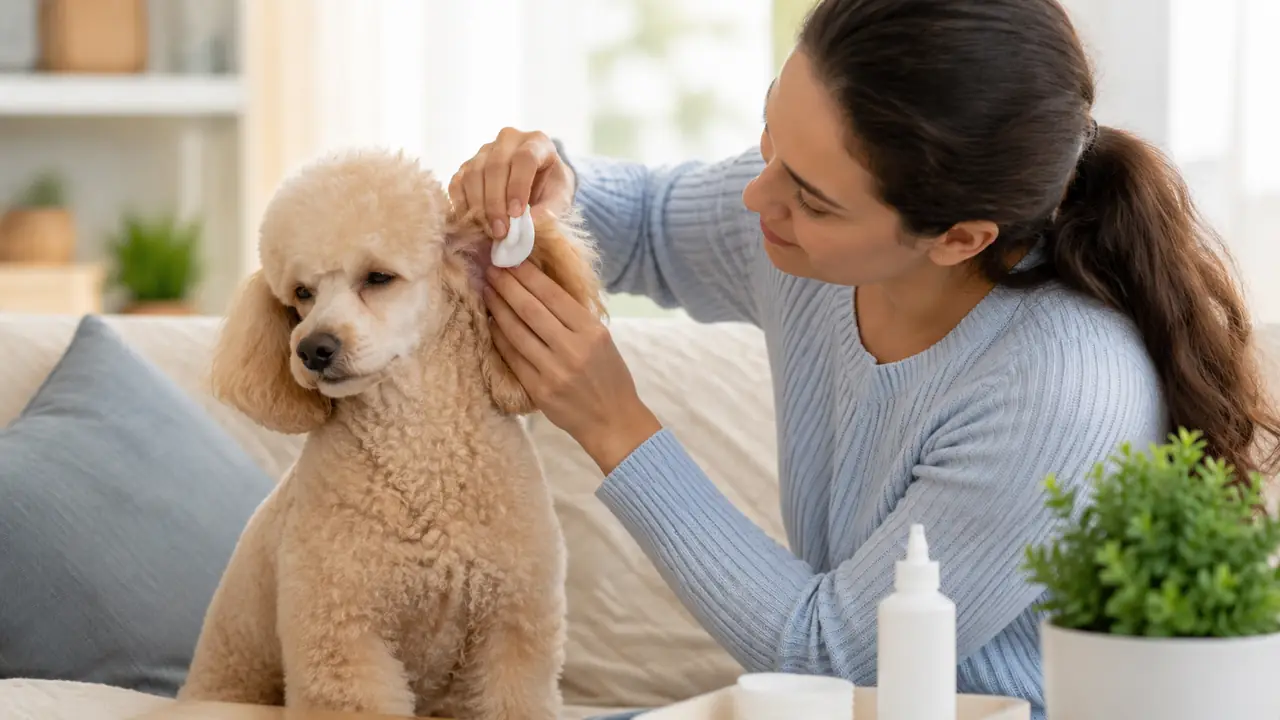
- 04Check coat, ears, eyes, paws, nails, and teeth.
- 05Create a calm resting place.
- 06Build alone time gradually and kindly.
04
Exercise Needs
The Poodle is active and mentally sharp. It needs movement, but it also needs activities that use the mind.
Depending on size and age, a Poodle may enjoy walks, short training sessions, fetch, scent games, gentle play, and learning small tasks. The goal is a balanced routine with movement, thinking, and rest.
Very small Poodles should not be overworked or handled roughly, while larger Poodles may need more outdoor activity and structured exercise.
- 01Plan daily walks suited to size and fitness.
- 02Use short games that encourage thinking.
- 03Include sniffing and calm exploration.
- 04Offer rest after activity.
- 05Adapt exercise to the dog’s size and age.
- 06Ask a veterinarian if you are unsure about exercise limits.
05
Training Tips
The Poodle learns quickly, which is a wonderful advantage. But quick learning also means the dog can learn unwanted habits if the family is inconsistent.
Training should be positive, gentle, and clear. Poodles usually respond well to rewards, calm voice, short sessions, and predictable rules.
Because grooming is such an important part of Poodle care, training should also include gentle handling, brushing practice, paw handling, ear checks, and calm behavior during grooming.
- 01Teach name response and recall early.
- 02Practice polite leash walking.
- 03Reward calm behavior and polite greetings.
- 04Teach “leave it,” “wait,” and “settle.”
- 05Introduce grooming tools gradually.
- 06Keep family rules consistent.
06
Grooming Needs
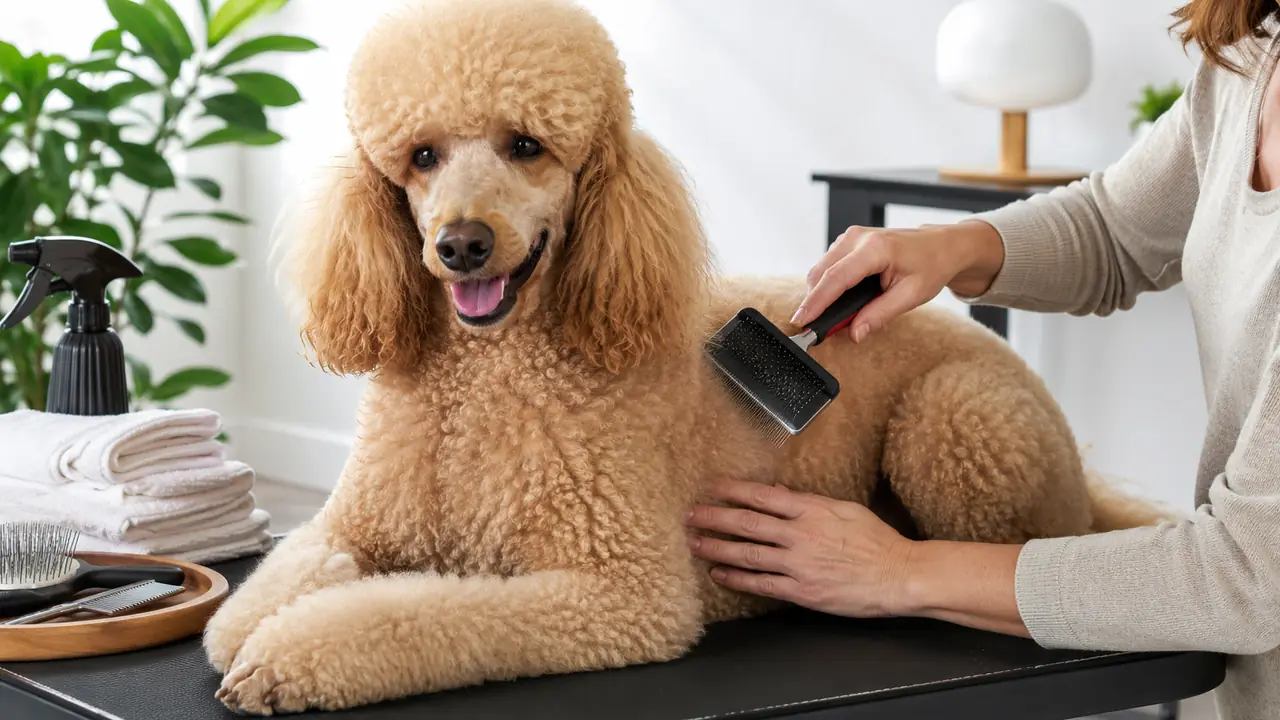
Grooming is one of the most important parts of Poodle care. The curly coat is beautiful, but it needs regular attention to prevent tangles and mats.
The coat may need brushing, combing, bathing when needed, and professional grooming on a schedule. Grooming is not only for appearance; it supports skin comfort, hygiene, and overall wellbeing.
- 01Brush and comb the coat regularly.
- 02Check for tangles and mats.
- 03Schedule professional grooming when needed.
- 04Check ears, eyes, paws, nails, and teeth.
- 05Use dog-safe grooming products.
- 06Keep bedding and grooming tools clean.

07
Health and Safety Notes
The Poodle is often lively and long-lived, but all dogs need responsible health care. Needs can also vary depending on the dog’s size.
Regular veterinary visits, dental care, healthy weight, grooming, appropriate exercise, parasite prevention, and early attention to changes are all important.
Watch for limping, itching, skin irritation, ear discomfort, excessive tearing, dental problems, appetite changes, increased thirst, unusual tiredness, or behavior that suddenly feels different from normal.
Safety note: Small Poodles need careful handling, while larger Poodles need enough activity and structure. Always adapt care to your dog’s size, age, and health.
08
Is This Breed Good for Families?
The Poodle can be an excellent family dog. It is often affectionate, attentive, intelligent, and eager to participate in home life.
With children, supervision is important, especially with Toy or Miniature Poodles. Children should learn not to treat the dog like a toy, lift it incorrectly, or disturb it while resting.
The Poodle usually wants to be close to its people and may struggle if left alone too often or too suddenly. Alone time should be introduced gradually.

09
Best Products for This Breed
The best products for a Poodle are practical products that support grooming, training, safe walking, mental activity, feeding, and rest. Choose products based on your dog’s size, coat condition, chewing habits, and veterinary advice when needed.
Slicker brush and metal comb
Useful for regular coat care and checking for tangles before they become mats.
Dog-safe detangling spray
Can help with coat management when recommended by a groomer or veterinarian.
Comfortable harness and leash
Helpful for daily walks, especially for smaller Poodles that need gentle handling.
Puzzle toys and training games
Good for a smart breed that enjoys mental challenges and learning.
Training treat pouch
Makes short positive training sessions easier and more organized.
Soft washable dog bed
A comfortable resting place helps the Poodle settle after play, walks, and family activity.
When adding affiliate links, recommend products that genuinely help Poodle owners. Grooming products should be safe, size-appropriate, and suitable for curly coats.
10
Final Thoughts
The Poodle is elegant, intelligent, affectionate, and deeply connected to family life. It can live well in many homes when its needs are understood.
This breed is not just a pretty dog. It needs grooming, kind training, activity, mental stimulation, veterinary care, and respectful handling.
With proper coat care, healthy routines, positive training, and a present family, the Poodle can live a happy, confident, and meaningful life.
11
Medical Disclaimer
This article is for general dog-care information only. It is not veterinary advice and does not replace diagnosis, treatment, or guidance from a qualified veterinarian.
If your Poodle is sick, injured, limping, scratching constantly, showing ear or eye discomfort, refusing food, drinking much more than usual, losing weight, gaining weight quickly, or behaving differently, contact a veterinarian.
Important: Always follow your veterinarian’s advice for diet, exercise limits, grooming-related skin issues, medication, vaccines, parasite prevention, dental care, and health concerns specific to your dog.
13
FAQ
Quick answers for people considering or caring for a Poodle.
Is the Poodle good for families?
Yes, it can be excellent for families that can provide grooming, training, activity, supervision, and gentle handling.
Does a Poodle need a lot of grooming?
Yes. The curly coat needs regular brushing, combing, and often professional grooming to prevent mats.
Is the Poodle easy to train?
Many Poodles learn quickly, but they still need patience, consistency, positive training, and clear rules.
Can a Poodle live in an apartment?
Yes, especially smaller sizes, but it still needs walks, mental activity, training, and family time.
Does the Poodle need much exercise?
It needs regular activity and mental stimulation, adapted to size, age, and health.
Can a Poodle stay alone?
It can learn to stay alone for short periods, but alone time should be introduced gradually and kindly.
What products are useful for a Poodle?
A slicker brush, comb, safe grooming products, harness, puzzle toys, treat pouch, and washable bed can be useful.
What is the biggest mistake with this breed?
Treating the Poodle like a decoration or toy instead of a smart dog with real physical, mental, and grooming needs.
Daily Dog Care Guide · Simple tips for a safer, healthier, happier dog.
🐾 Topic-matched picks
Everyday Gear to Compare for This Breed Guide
These are practical grooming, walking, or daily-care examples to compare — not breed-specific prescriptions.
Optional product • paid linkSelf-Cleaning Slicker Brush
A practical brushing option for coats that need regular detangling and loose-hair removal.
View on Amazon →Optional product • paid linkWide-Tooth Metal Grooming CombA useful finishing comb for longer, curly, or feathered coats when gentle detangling is needed.
View on Amazon →Optional product • paid linkDog Grooming WipesHandy for quick paw and coat cleanups between full baths.
View on Amazon →Affiliate disclosure: As an Amazon Associate I earn from qualifying purchases. Always check size, fit, materials, labels, and your dog’s individual needs before buying.
🎨 Color Dogs & Pets
Puppy Breed Color-Along Coloring BookDog-breed inspired color-along fun for creative kids.View book details →A Creative Break for Dog-Loving Kids
Explore puppy coloring and activity books for screen-free creative time, quiet afternoons, travel, and young dog fans.
See all dog-care products & books →Helpful next steps
Continue with a related guide, tool, or product resource.