New Puppy Checklist: What to Know Before Bringing a Puppy Home
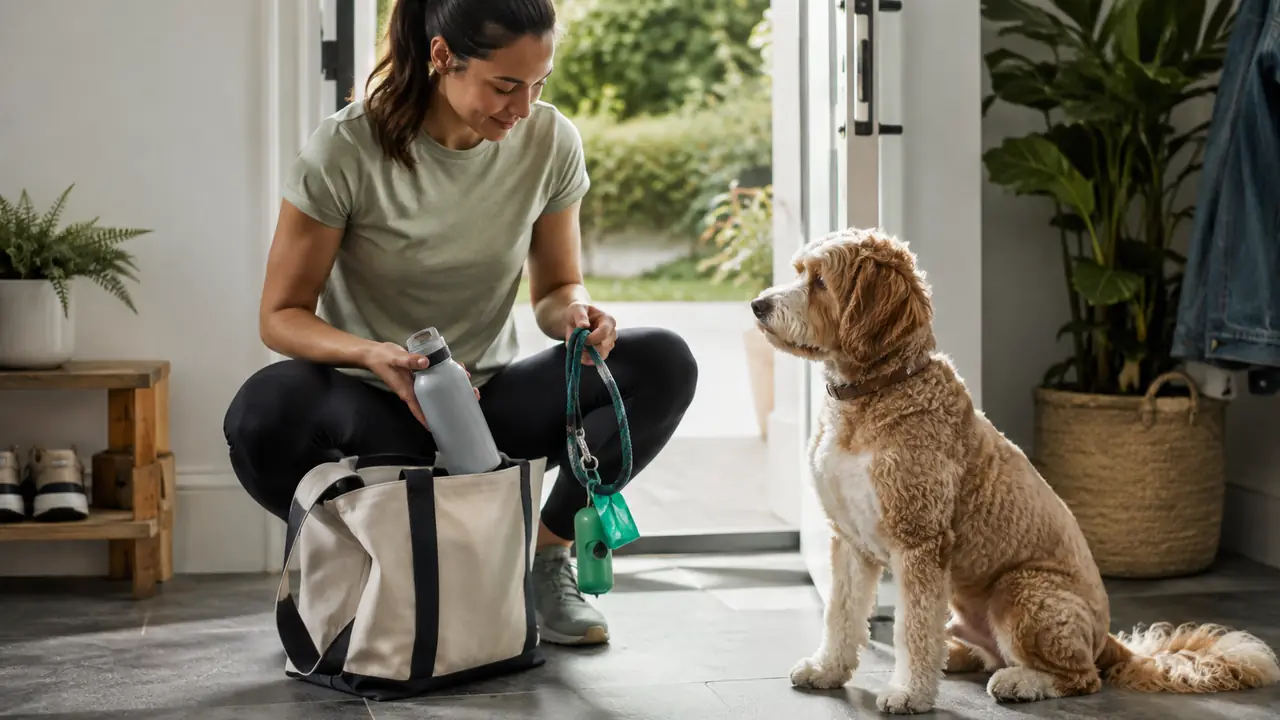
Bringing a puppy home is easier when the important decisions are made before the puppy walks through the door. This checklist helps you prepare a safe home, essential supplies, feeding and potty routines, the first night, early training, socialization, and veterinary care without overwhelming your new puppy.
Updated August 13, 2026 · Prepared with reference to veterinary guidance
A new puppy checklist is useful because the first few days can feel much busier than expected. There may be excitement, crying at night, frequent potty trips, chewing, interrupted sleep, questions about food, and a puppy who does not yet understand your home.
Your puppy may also be experiencing a major transition. Familiar people, dogs, smells, sleeping places, sounds, and routines may suddenly have been replaced by a completely new environment.
Some puppies explore immediately. Others stay close to one person, sleep more than expected, hesitate around unfamiliar rooms, or seem unsettled. A calm and predictable introduction gives the puppy time to learn that the new home is safe.
You do not need a perfect house or dozens of puppy products. You need a secure environment, appropriate food, basic equipment, plenty of rest, consistent toilet opportunities, gentle learning experiences, and a plan for preventive veterinary care.
Quick Answer: What Do You Need Before Bringing a Puppy Home?
Before bringing a puppy home, prepare a safe sleeping area, suitable puppy food, food and water bowls, a correctly fitted collar or harness, a leash, identification, safe chew toys, cleaning supplies, and a plan for frequent potty trips.
Remove electrical cords, medicines, cleaning products, toxic or unsafe items, small swallowable objects, and access to unsafe stairs, balconies, gates, or yard gaps.
Ask the breeder, rescue, shelter, or previous caregiver for the puppy's current food, feeding routine, veterinary and vaccination records, parasite-treatment information, microchip details if applicable, and any known health or behavior information.
Keep the first day simple and arrange veterinary follow-up so your puppy's nutrition, vaccinations, parasite prevention, growth, and individual health needs can be reviewed.
In This New Puppy Checklist
1. Before Pickup: Get the Puppy’s Records and Routine
One of the most useful things you can do happens before your puppy comes home. Ask for clear information about what the puppy has already been eating, receiving, and experiencing.
Ask for these details
- the exact food currently being fed
- usual meal times and approximate portions
- vaccination records
- deworming and parasite-treatment records
- known illnesses, injuries, medications, or allergies
- microchip information if the puppy is already microchipped
- the puppy's normal sleeping arrangement
- current toilet routine
- experience with crates, pens, collars, harnesses, or leashes
- known fears or behavior concerns
Keeping the same food and some familiar routines during the transition can reduce unnecessary change while your puppy is learning about the new home.
Bring all health records to your veterinarian so previous care can be reviewed and the next steps can be individualized.
Back to checklist2. Puppy-Proof Your Home Before the Puppy Arrives
Puppies investigate with their mouths. An ordinary room can contain many objects that are easy to chew, swallow, pull down, or become trapped in.
Walk through the areas your puppy will use and look at them from puppy height.
Puppy-proofing is not something you do once. Puppies grow, climb, chew, and discover new skills quickly, so reassess the environment regularly.
Back to checklist3. Set Up a Small, Safe Puppy Area
Giving a new puppy unrestricted access to the entire home immediately can make supervision, rest, and toilet training more difficult.
Start with a manageable area where the puppy can sleep, drink, play safely, and remain close enough for supervision.
Depending on your home, this may be a puppy pen, a gated section of a room, or a crate used appropriately together with supervised time outside it.
A simple puppy area may include
- a comfortable bed or washable blanket
- fresh water
- a small number of puppy-safe toys
- safe flooring that is easy to clean
- easy access to the route used for toilet trips
The area should be associated with safety and rest, not punishment.
Back to checklist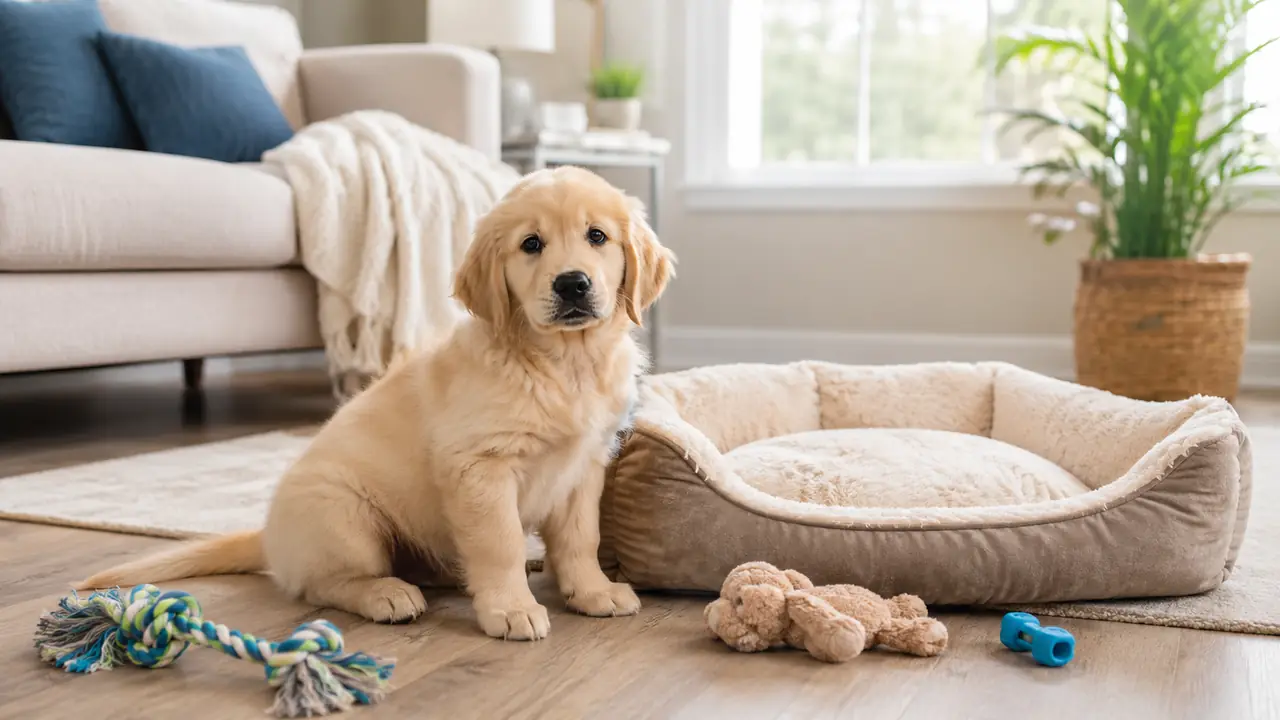
4. New Puppy Supplies: Buy the Essentials First
A puppy does not need a house full of products on day one. Start with items that support feeding, safe movement, rest, cleaning, chewing, and basic care.
Your puppy's size, breed, coat, chewing style, health, and lifestyle will become clearer over time. Buy additional equipment when you understand what your individual puppy actually needs.
5. Keep the Puppy’s First Day at Home Simple
The first day does not need to be a celebration with many visitors. Your puppy already has plenty to process.
When you arrive home, begin with a calm toilet opportunity, then introduce the puppy to a small part of the home rather than every room at once.
A simple first day may look like this
- Arrive quietly.
- Take the puppy to the planned toilet area.
- Offer fresh water.
- Allow gentle exploration of the safe area.
- Offer the normal meal at the normal time where practical.
- Provide frequent rest.
- Use short, calm interactions.
- Take the puppy for regular toilet opportunities.
- Finish with a predictable bedtime routine.
Avoid trying to teach every rule immediately. Safety, rest, routine, and trust come first.
Back to checklist6. Prepare for the Puppy’s First Night
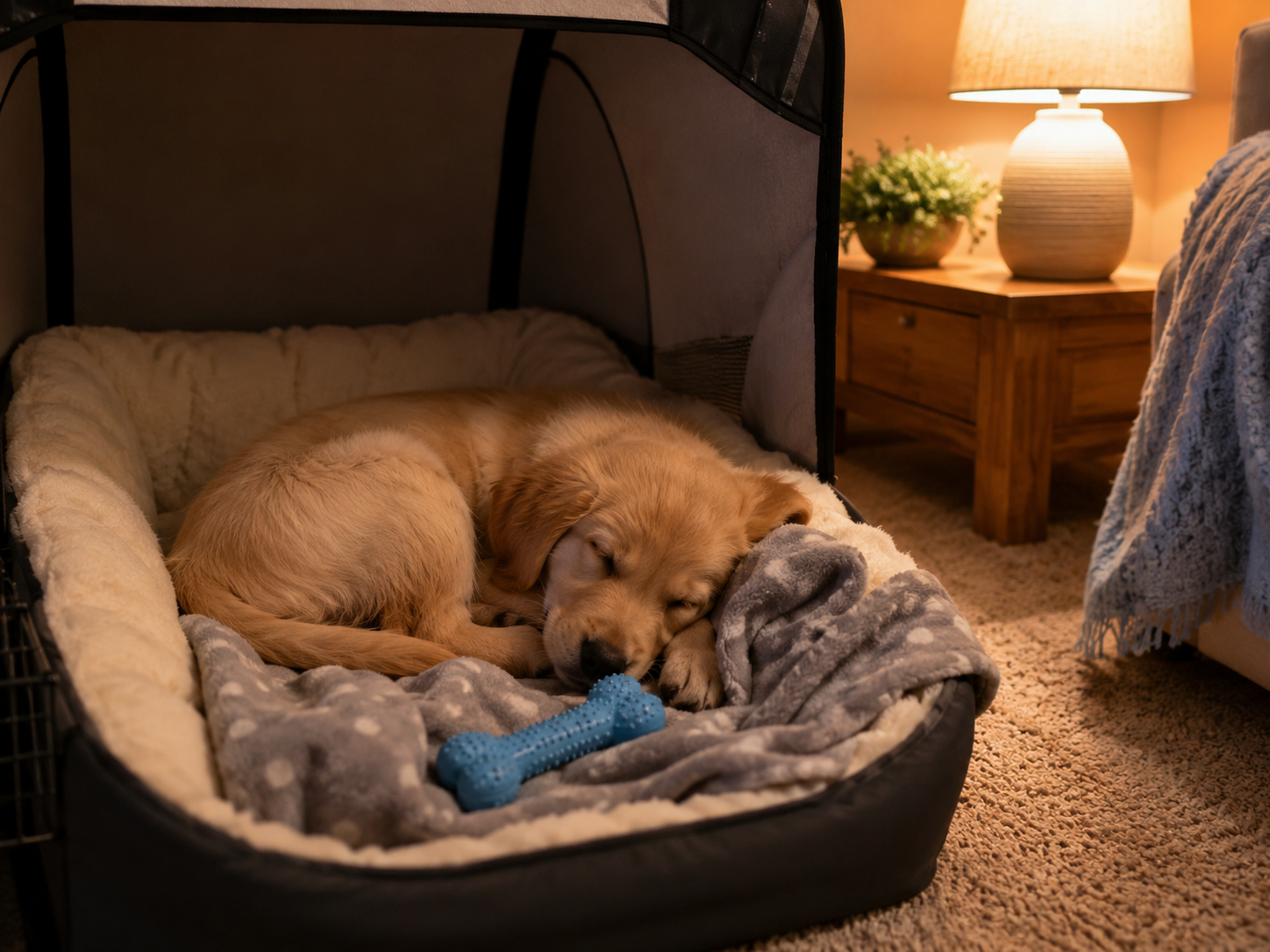
The first night can be difficult because a puppy may suddenly be sleeping without familiar littermates, surroundings, or routines.
Decide where the puppy will sleep before bedtime arrives. Keep the evening calm, provide a toilet opportunity before sleep, and avoid turning bedtime into an exciting play session.
Some families initially place the puppy's sleeping area close enough to hear and supervise the puppy during the night.
If the puppy wakes and needs to toilet, keep the trip quiet and businesslike: outside or to the designated area, gentle praise when appropriate, then back to bed.
Do not punish a puppy for crying or being unsettled in a completely new environment.
Back to checklist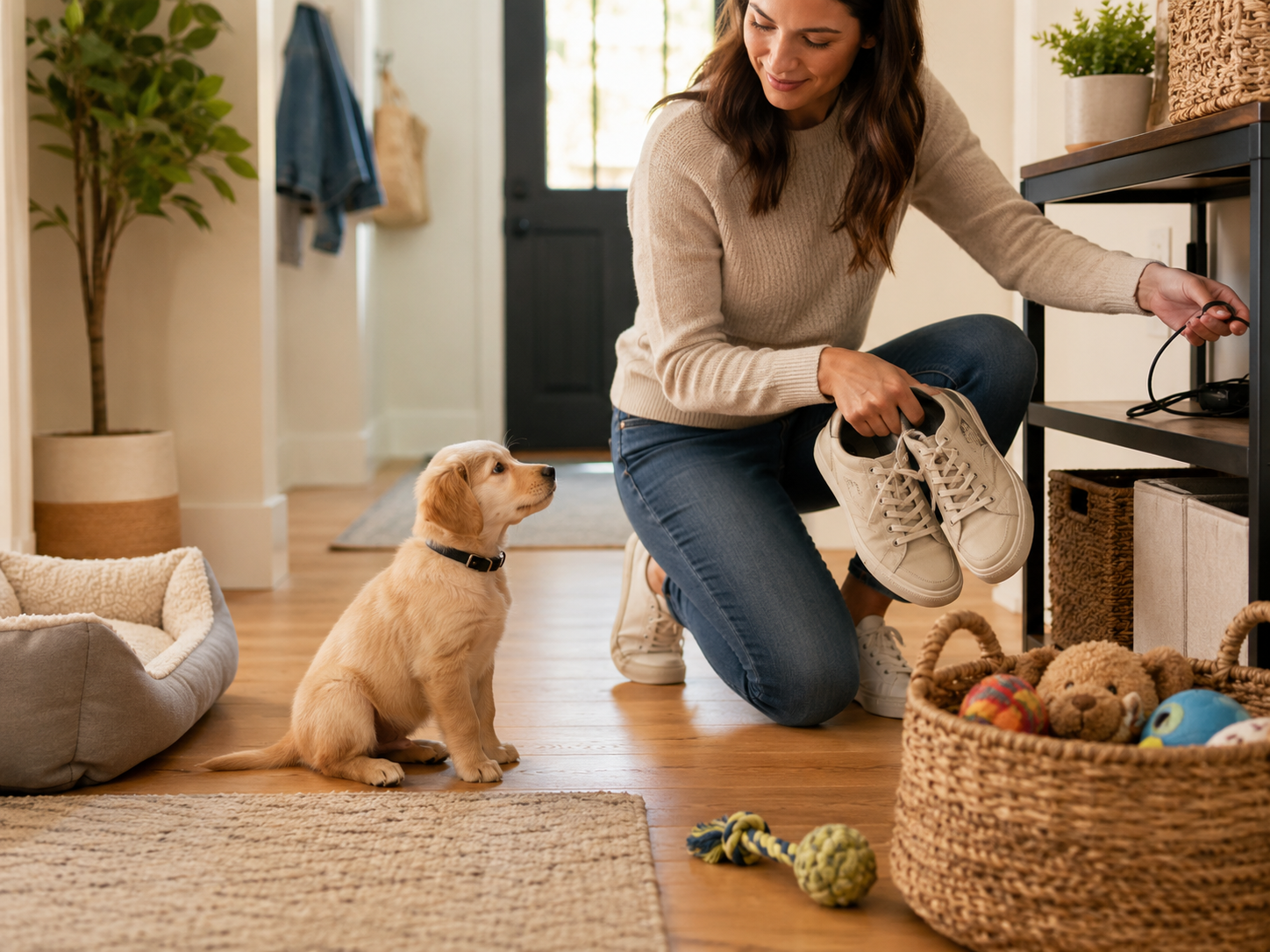
7. Start Potty Training From the First Day
House training begins immediately, but learning takes repetition. A puppy does not arrive knowing which surface or location your family considers the toilet area.
Offer a toilet opportunity
- after waking
- after meals
- after drinking
- after active play
- before bedtime
- when the puppy begins sniffing, circling, wandering, or looking restless
When the puppy toilets in the correct location, calmly reinforce the behavior with praise or another appropriate reward.
Accidents are part of learning. Clean them thoroughly and avoid shouting, frightening, or physically punishing the puppy.
Supervision, predictable opportunities, and consistent reinforcement are more useful than punishment.
Back to checklist8. Keep Feeding and Water Routines Predictable
Puppies need nutrition appropriate for growth. The right food and feeding plan can vary with age, size, breed, body condition, health, and expected adult size.
If possible, begin with the food the puppy was already eating unless your veterinarian recommends otherwise. Avoid unnecessary abrupt food changes.
Feed in a consistent location and follow an age-appropriate feeding schedule. Fresh water should be available unless your veterinarian has given specific medical instructions.
Large and giant breed puppies need special attention
Growth nutrition is not identical for every puppy. Large and giant breed puppies have particular nutritional considerations, so discuss food selection and growth rate with your veterinary team.
Avoid adding supplements simply because they are marketed for puppies. Discuss supplements and major diet changes with your veterinarian.
Back to checklist9. Begin With Short, Positive Training
Training begins the moment your puppy starts learning how life in the new home works. That does not mean long formal sessions.
Keep early lessons short, simple, and rewarding.
Useful first skills include
- responding to the puppy's name
- coming toward you when invited
- following a food lure
- settling on a bed or mat
- accepting gentle handling
- wearing a collar or harness comfortably
- trading an inappropriate object for an appropriate one
Reward the behaviors you want to see again. Avoid using fear, pain, or intimidation to teach a young puppy.
Several very short successful interactions throughout the day are usually easier for a puppy than one long lesson.
Back to checklist11. Introduce Children and Other Pets Carefully
Children
Puppies and children both need supervision and clear rules.
- Do not disturb the puppy while sleeping.
- Do not pull ears, tail, feet, or fur.
- Do not sit on, ride, squeeze, or chase the puppy.
- Do not take food or chews from the puppy.
- Use calm voices and gentle hands.
- Give the puppy a child-free place to rest.
Young children and puppies should be actively supervised rather than simply left in the same room together.
Other pets
Do not force an immediate friendship. Introductions should be controlled and allow each animal space to disengage.
Separate pets for feeding initially, supervise valuable toys and chews, and continue giving the resident pet normal attention and rest.
If either animal shows persistent fear, aggression, guarding, or another behavior that concerns you, seek professional guidance rather than allowing repeated stressful encounters.
Back to checklist12. Practice Gentle Handling Before Grooming Becomes Difficult
Veterinary exams and routine care are easier when puppies learn gradually that gentle handling predicts safe, positive experiences.
During short calm sessions, introduce your puppy to appropriate handling around the ears, paws, mouth, coat, collar, and body.
Introduce brushing and other grooming equipment gradually. Stop or make the exercise easier if the puppy becomes frightened or struggles intensely.
Handling practice should not mean physically overpowering the puppy. Build comfort in small steps.
Back to checklist13. Build a Simple First-Week Puppy Routine
Your schedule does not need to run to the minute. What matters is that the general pattern becomes predictable.
Puppies need substantial rest. A puppy who becomes increasingly wild, mouthy, or unable to settle may sometimes need a quieter environment and an opportunity to sleep rather than more stimulation.
Adjust the routine to your puppy's age, health, feeding needs, and veterinary guidance.
Back to checklist14. Arrange Your Puppy’s First Veterinary Visit
Preventive veterinary care should be part of the new-puppy plan rather than something reserved for when the puppy becomes sick.
Bring all available records from the breeder, shelter, rescue, or previous caregiver.
Topics to discuss with your veterinarian
- physical examination and general health
- vaccination history and future vaccination plan
- intestinal parasite screening or treatment
- heartworm, flea, and tick prevention appropriate to your area
- growth and expected adult size
- puppy nutrition and feeding quantity
- body condition and healthy growth
- microchip and identification
- safe socialization and puppy classes
- dental development and safe chewing
- grooming and handling
- reproductive-health decisions
- any behavior or health concerns you have noticed
Vaccination schedules and preventive care should be individualized to the puppy's age, previous history, lifestyle, geographic risks, and health.
Back to checklist15. When a New Puppy Needs Veterinary Help Quickly
Young puppies can become unwell, and significant changes should not be dismissed simply as adjustment to a new home.
Contact a veterinarian promptly if you are concerned about symptoms such as:
- repeated vomiting
- persistent or severe diarrhea
- marked weakness or unusual lethargy
- difficulty breathing
- collapse or seizures
- significant pain
- a swollen or painful abdomen
- difficulty urinating or passing stool
- pale, blue, or otherwise abnormal-looking gums
- refusal to eat accompanied by weakness or other signs of illness
- possible poisoning or swallowing a dangerous object
- any sudden or severe change that makes you concerned about the puppy's health
If you believe the situation may be an emergency, contact your veterinarian or an emergency veterinary service rather than relying on online advice.
Back to checklistExplore More Daily Dog Care Guides
16. Frequently Asked Questions
What should I buy before bringing a puppy home?
Start with appropriate puppy food, food and water bowls, a bed or safe sleeping setup, a correctly fitted collar or harness, a leash, identification, safe chew toys, and cleaning supplies. You can add other products after learning your puppy's size, coat, behavior, and routine.
How long does it take a puppy to settle into a new home?
There is no single timetable. Some puppies become comfortable quickly, while others need more time. Keep the environment calm and predictable and watch the puppy's individual behavior rather than expecting a fixed number of days.
Should my new puppy sleep in my bedroom?
Some owners initially keep a puppy's sleeping area near the bedroom so they can hear the puppy and respond to toilet needs. The best long-term arrangement depends on your household and training plan.
What should I do when my puppy cries at night?
Stay calm and consider whether the puppy needs a toilet break or is unsettled by the new environment. Keep nighttime toilet trips quiet and avoid turning them into play sessions. Contact a veterinarian if the crying appears connected to pain, illness, or another health concern.
When should I start potty training?
Begin from the first day by providing frequent, predictable toilet opportunities and calmly rewarding success. Accidents are part of the learning process and should not be punished.
Should I change my puppy's food immediately?
Unless there is a reason to change it, beginning with the puppy's current food can reduce unnecessary change. Ask your veterinarian about the most suitable growth diet and how to transition foods if a change is needed.
Can my puppy meet people and dogs before all vaccinations are finished?
Early positive social experiences are important, but infectious-disease risk must also be managed. Ask your veterinarian which people, healthy dogs, puppy classes, and environments are appropriate based on your puppy's health, vaccination status, and local disease risk.
Is puppy biting normal?
Mouthing and chewing are common puppy behaviors. Provide appropriate chew items, redirect biting calmly, manage the environment, and reward desirable behavior. Seek professional help if the behavior is unusually intense, causes safety concerns, or is associated with significant fear or aggression.
When should my puppy first see a veterinarian?
Arrange veterinary care promptly after bringing the puppy home, especially if you have incomplete health records or any concerns. Your veterinarian can review health, nutrition, vaccination history, parasite prevention, growth, and the puppy's individual care plan.
17. Veterinary Sources & Further Reading
This educational guide was prepared with reference to established veterinary guidance. These resources provide additional information for puppy owners.
- American Animal Hospital Association — Canine Life Stage Guidelines
- American Animal Hospital Association — Canine Life Stage: Puppy
- American Animal Hospital Association — Canine Vaccination Guidelines
- American Animal Hospital Association — Puppy Behavior and Socialization Guidance
- American Veterinary Society of Animal Behavior — Puppy Socialization Position Statement
Veterinary Disclaimer
Daily Dog Care Guide provides general educational information for dog owners. This article does not replace veterinary examination, diagnosis, treatment, vaccination advice, nutrition advice, prescription guidance, or emergency veterinary care.
Puppies have individual needs based on age, breed, size, health, previous care, lifestyle, and local disease risks. Consult a qualified veterinarian for an individualized preventive healthcare plan.
Final Thoughts
Bringing a puppy home is not about having every product or teaching every rule on the first day.
Prepare the environment first. Protect the puppy from preventable hazards. Keep food and routines predictable. Provide frequent toilet opportunities. Allow plenty of sleep. Introduce training, handling, people, animals, and new experiences gradually.
Your puppy will make mistakes while learning. You will probably make a few mistakes too. What matters is creating a safe, patient, consistent environment and asking for veterinary or professional help when you need it.
A good first week is not one without accidents, crying, or chewing. It is one in which the puppy begins learning that the new home is safe and the people in it are predictable.
Back to checklistUseful Puppy-Home Basics
Keep the first week simple. Follow the breeder or veterinarian’s feeding guidance and introduce new tools gradually.
A durable, easy-clean bowl option for everyday food and water routines.
View on Amazon →Optional product • paid linkDog Treat Pouch for TrainingKeeps small rewards easy to reach during short training sessions and walks.
View on Amazon →Optional product • paid linkDog Lick Mat with Suction CupsA food-enrichment option for supervised licking activities and calm indoor engagement.
View on Amazon →Affiliate disclosure: As an Amazon Associate I earn from qualifying purchases. Always check size, fit, materials, labels, and your dog’s individual needs before buying.
A Creative Break for Dog-Loving Kids
Explore puppy coloring and activity books for screen-free creative time, quiet afternoons, travel, and young dog fans.
See all dog-care products & books →Helpful next steps
Continue with a related guide, tool, or product resource.
10. Plan Safe, Positive Puppy Socialization
Socialization is not simply meeting as many dogs and people as possible. The goal is to help a puppy build positive, controlled experiences with the world.
Useful experiences can include different people, household sounds, safe surfaces, gentle handling, car travel, grooming tools, calm dogs when appropriate, and new environments introduced without overwhelming the puppy.
Do not force a frightened puppy toward something simply because you want the puppy to become social.
Social development begins early, while infectious-disease risk also needs to be managed. Ask your veterinarian which environments, puppy classes, dogs, and public areas are appropriate for your puppy based on health, vaccinations, and local disease risk.
Choose controlled experiences and avoid contact with visibly ill animals or poorly managed environments.
Back to checklist