Needs early leash training, safe handling, and confident daily management.
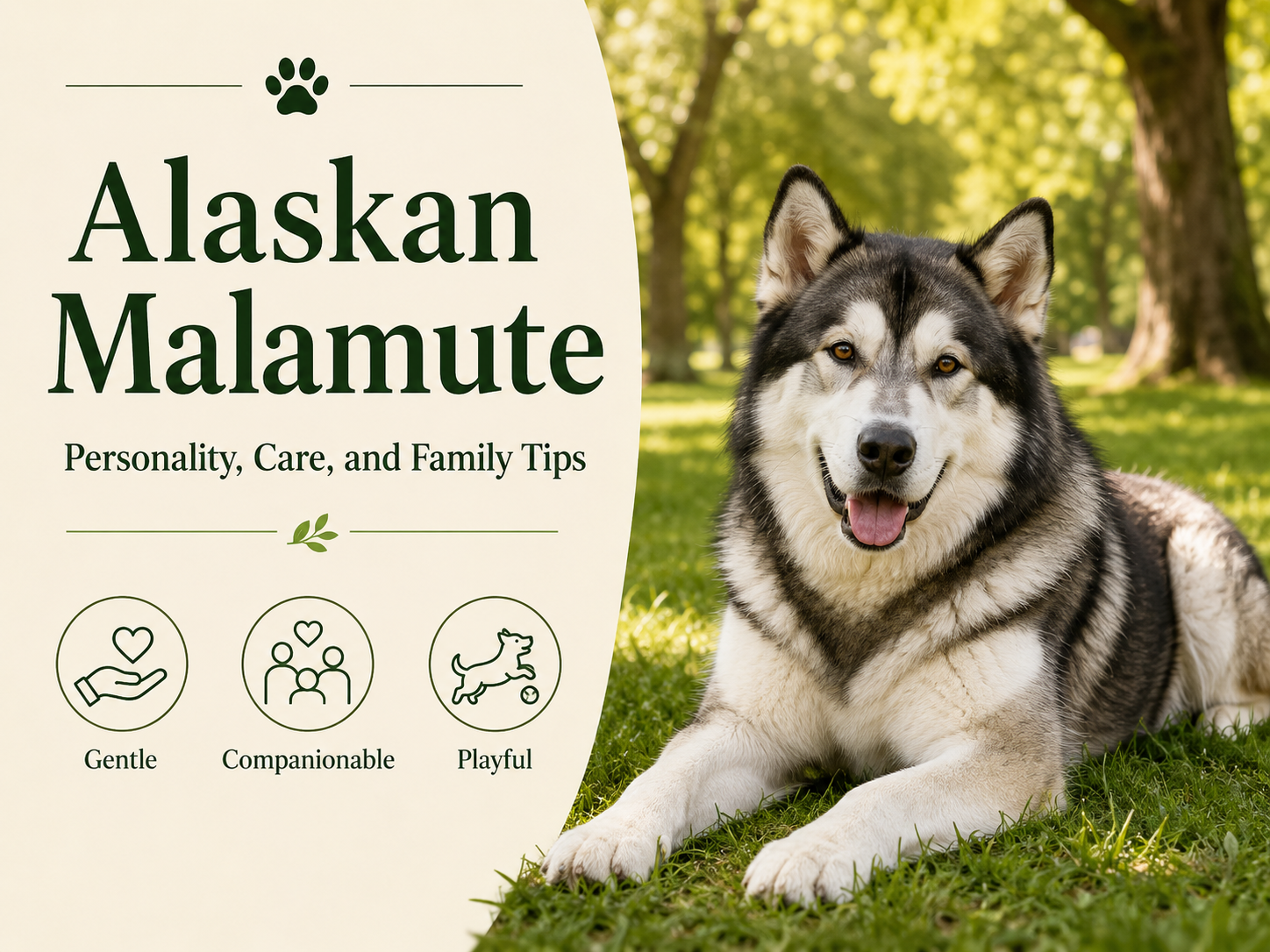
Dog Breed Guide
Alaskan Malamute: Personality, Care, and Family Tips
A practical, human-written guide to the Alaskan Malamute’s temperament, daily care, exercise, recall training, grooming, heat safety, family life, and useful product ideas.
The Alaskan Malamute is a powerful northern dog with a thick coat, strong body, confident expression, and a personality that is much bigger than its beautiful appearance.
Many people first notice the breed because it looks wolf-like, impressive, and perfect in snowy photographs.
But an Alaskan Malamute should never be chosen only because of its appearance.
This is a large, strong, active, affectionate, and often independent breed that needs daily movement, calm training, careful leash work, coat care, heat management, and real family involvement.
A Malamute can become a wonderful companion for people who enjoy outdoor life and structured routines. It can also become difficult if its strength, energy, shedding, recall challenges, or warm-weather needs are underestimated.
This detailed guide explains what daily life with an Alaskan Malamute is really like, including personality, family life, children, other dogs, apartment living, exercise, recall training, grooming, heat safety, feeding, puppy care, health signs, and product ideas for responsible owners.
Often loving with family, but not always naturally obedient.
Needs walks, exploration, mental work, and activities suited to the weather.
The dense double coat, shedding, recall, and hot weather need serious attention.
01
Breed Overview
The Alaskan Malamute is a northern sled dog developed for strength, endurance, and work in harsh cold environments.
Unlike lighter sledding breeds associated with speed, the Malamute is often known for power, stamina, and the ability to help move heavier loads.
This background explains much of the modern breed’s daily needs. A Malamute is usually strong, active, weather-aware, curious, and interested in movement, scent, and outdoor life.
The breed has a thick double coat made for cold conditions. That coat is beautiful, but it creates serious grooming and warm-weather responsibilities.
An Alaskan Malamute can enjoy the sofa, family time, and quiet indoor rest. But it is not a dog meant to live without walks, structure, training, and mental engagement.
Detailed owner fact
A fenced yard can help, but it does not replace walks, training, sniffing time, recall practice, and shared activity with the family.
02
Personality and Temperament
The Alaskan Malamute is often affectionate with family, confident, social, playful, vocal, curious, and independent.
Many Malamutes enjoy being near their people. They may follow family members around, lie close to the household, greet people with enthusiasm, or use vocal sounds to express excitement or protest.
Some bark little but “talk” with howls, grumbles, or other sounds. For some owners this is charming. In close living situations, it can become something to manage carefully.
The breed can also be stubborn. That does not mean it is unintelligent. Many Malamutes learn patterns quickly, understand routines, and remember what works.
The challenge is that a Malamute may not obey simply because a person asks once. An interesting scent, moving animal, open gate, or exciting outdoor scene may feel more important than a command.
- 01Often affectionate, confident, playful, and family-connected.
- 02Can be vocal, expressive, and full of personality.
- 03May be independent and selective about listening.
- 04Needs calm consistency rather than harsh pressure.
- 05Can become bored or destructive without enough activity.
- 06Does best with patient, active, organized owners.
03
Daily Care Needs
Daily care for an Alaskan Malamute should include measured meals, fresh water, structured walks, sniffing time, mental enrichment, grooming checks, training, safe rest, and careful heat management.
This breed should not be expected to live on quick bathroom breaks. A healthy adult Malamute usually needs real walks, exploration, and activities that use both body and mind.
Indoor calm also matters. A Malamute should learn that after exercise and training, it can rest quietly on a mat, bed, or cool floor near the family.
Leaving a Malamute alone outdoors for long hours is not the same as giving it a good life. A bored Malamute may dig, chew, vocalize, test boundaries, or focus too strongly on what happens beyond the fence.
- 01Provide daily walks and safe outdoor exploration.
- 02Use mental enrichment such as scent games and training.
- 03Practice leash manners and recall safety consistently.
- 04Brush the coat and monitor shedding, skin, ears, paws, and nails.
- 05Adjust routines carefully in warm weather.
- 06Avoid long isolation without exercise, training, or family contact.
Practical routine tip
A balanced Malamute day may include a cool morning walk, breakfast, rest, brushing, a short training session, sniffing games, an evening walk, and calm indoor time with the family.
04
Exercise Needs
The Alaskan Malamute is an active breed. It needs regular movement, but exercise should be planned thoughtfully.
Long walks, nature routes, sniffing, search games, training exercises, and carefully prepared pulling-style activities can all be useful when they are appropriate for the dog’s age, health, fitness, weather, and experience.
The goal is not to exhaust the dog into collapse. The goal is to provide steady movement, mental engagement, safe outlets, and calm recovery.
Hot weather changes everything. A Malamute that enjoys long walks in cool weather may struggle in heat and humidity. Summer activity should be shifted to cooler parts of the day.
Puppies should not be forced into long runs, repeated jumping, heavy pulling, or intense activity. Growth should be protected with gentle movement, play, rest, and gradual experience.
- 01Use regular walks, sniffing time, and exploration.
- 02Choose cool weather or cooler times of day.
- 03Add scent work, search games, and short training sessions.
- 04Avoid unsafe heat, forced running, and high-impact puppy exercise.
- 05Use suitable equipment and training before any pulling activity.
- 06Teach calm recovery after activity.
05
Training Tips
Training an Alaskan Malamute works best when it is clear, calm, consistent, and respectful.
This breed usually does not respond well to shouting, fear, or force. It needs a reliable person who sets rules clearly and follows them every day.
Because the breed is strong, loose-leash walking should begin early. A puppy that pulls may seem funny. An adult Malamute that pulls can be hard to control.
Recall also needs serious attention. A Malamute may be affectionate and bonded at home, but still choose to chase, explore, or follow scent outdoors if recall has not been built carefully.
Start recall indoors, then in a quiet secure space, then on a long line around mild distractions. Coming back should always be rewarding.
- 01Teach loose-leash walking before adult strength develops.
- 02Practice recall with rewards and a long line when needed.
- 03Teach “leave it,” “drop,” “wait,” “come,” and “settle.”
- 04Build calm guest routines and safe door manners.
- 05Use short sessions instead of long repetitive drills.
- 06Seek qualified help early if pulling, chasing, dog conflict, guarding, or reactivity appears.
Recall safety tip
In unfenced areas, a long line can offer freedom while reducing risk. Many Malamutes should not be trusted off leash until recall is highly reliable and the environment is legal and safe.
06
Grooming Needs
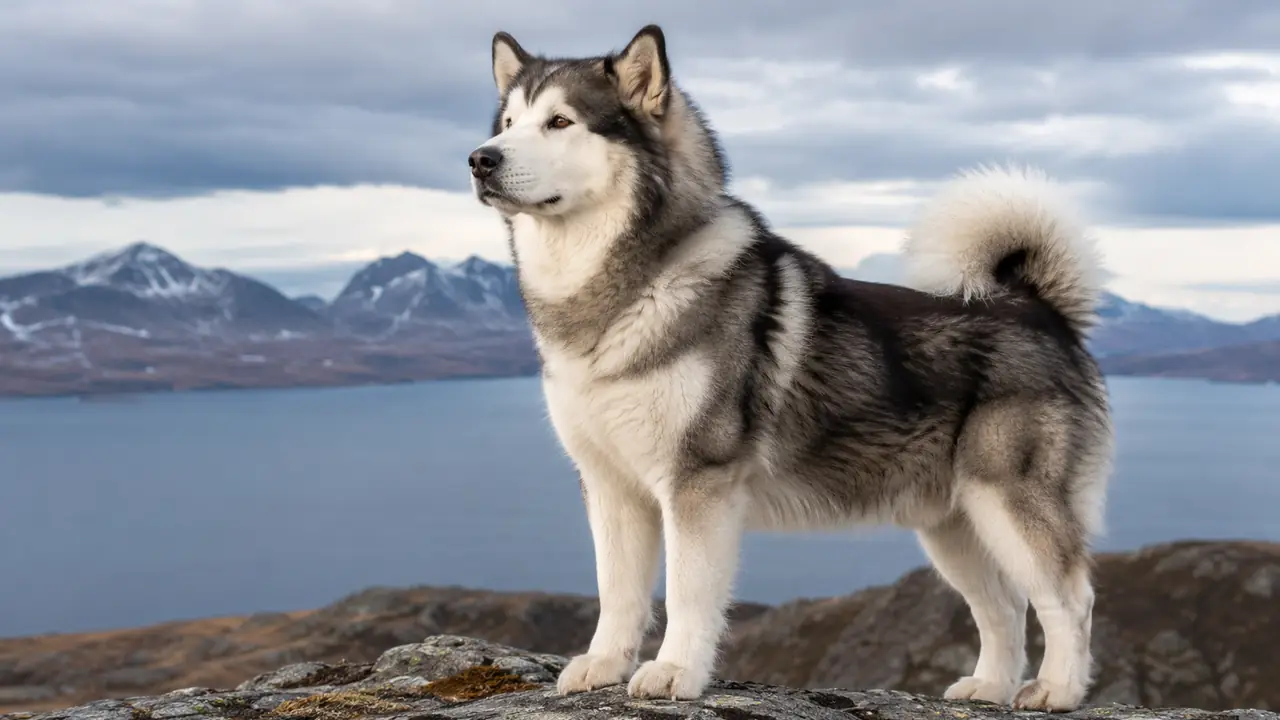
The Alaskan Malamute’s dense double coat is one of the breed’s most recognizable features.
It includes a soft undercoat and a protective outer coat. This coat helps in cold conditions, but it also means serious shedding and regular grooming.
During shedding season, a Malamute can lose a remarkable amount of hair. Owners should expect hair on floors, rugs, clothes, sofas, car seats, and grooming tools.
Regular brushing helps remove loose hair, supports skin checks, and keeps the coat more comfortable.
The coat should not normally be shaved without a veterinary reason. The coat has protective functions, and coat care decisions should be discussed with a veterinarian or groomer familiar with northern breeds.
- 01Brush regularly and more often during seasonal shedding.
- 02Check skin, ears, paws, nails, teeth, and body condition.
- 03Use appropriate undercoat tools gently and correctly.
- 04Use dog-safe shampoo only when bathing is needed.
- 05Dry the coat carefully after bathing or wet weather.
- 06Ask professional help if mats, skin irritation, or coat concerns appear.

07
Health and Safety Notes
Health and safety for an Alaskan Malamute include weight control, joint comfort, eye awareness, coat and skin care, heat safety, digestive awareness, dental care, safe exercise, and regular veterinary visits.
When choosing a puppy, ask about the parents’ health, temperament, growth, veterinary records, and any health screening used by the breeder.
For this breed, responsible breeders may discuss eye checks, hip checks, elbow checks, and genetic health considerations depending on the country, line, and breeding program.
Weight control is important. A thick coat can hide body condition changes, so owners should learn to assess the dog’s shape by touch and with veterinary guidance.
Contact a veterinarian if your dog shows limping, pain, eye problems, unusual tiredness, difficulty moving, appetite changes, vomiting, diarrhea, heat distress, injury, or sudden behavior changes.
Important safety note: Heat distress, collapse, severe pain, repeated vomiting, serious injury, breathing difficulty, eye injury, or sudden behavior changes should be treated seriously. Seek veterinary care promptly.
08
Is This Breed Good for Families?
The Alaskan Malamute can be a wonderful family dog for active, patient, organized homes that understand the breed’s strength and independence.
It can suit adults, couples, and families who enjoy walking, outdoor time, training, grooming, and a dog with strong personality.
It is usually not ideal for people who want a low-effort dog, a dog that can spend most of the day alone, or a dog that will automatically obey without consistent training.
With children, supervision matters. Many Malamutes are affectionate with family members, but they are large and powerful. A happy bump, excited movement, or pulling game can knock a child over.
Children should not pull the coat, climb on the dog, disturb meals, enter the resting area, or run in ways that encourage chasing.
With other dogs, individual temperament and management matter. Some Malamutes do well with other dogs, while others become more selective. Calm socialization is more valuable than chaotic dog-park exposure.
- 01Best for active families with time and patience.
- 02Needs supervision around children because of size and strength.
- 03Requires leash training, recall safety, and calm socialization.
- 04May be selective with other dogs or interested in small animals.
- 05Needs major coat care and hot-weather planning.
- 06Can become loyal, fun, affectionate, and deeply loved with good care.
09
Best Products for This Breed
The best products for an Alaskan Malamute are practical items that support safe walking, recall training, mental enrichment, coat care, heat management, and calm rest. Choose products based on your dog’s size, age, coat condition, strength, chewing habits, climate, and professional advice when needed.
Strong well-fitted harness and sturdy leash
Useful for daily walks when paired with early loose-leash training.
Long line for recall practice
Helpful for safe exploration while recall is still developing.
Undercoat rake and grooming brush
Supports coat care and helps manage heavy seasonal shedding.
Cooling mat or cool resting bed
Useful during warm weather when the dog needs a comfortable place to rest.
Scent-game toys or treat puzzles
Provides mental work and helps reduce boredom indoors.
Training pouch and measured rewards
Useful for leash manners, recall, calm greetings, and short training sessions.
When adding affiliate links, recommend only products that genuinely help Alaskan Malamute owners. Avoid items that encourage unsafe off-leash freedom, harsh control, overfeeding, or intense heat exposure.
10
Final Thoughts
The Alaskan Malamute is strong, affectionate, intelligent, independent, active, and full of character.
But this breed should not be chosen only for its thick coat, wolf-like look, or snowy photographs. A Malamute needs daily movement, clear rules, leash training, recall safety, coat care, heat management, socialization, and a family ready to involve the dog in real life.
If it is left without activity, without training, or alone for too long, it may become noisy, destructive, restless, or difficult to manage.
If it is guided with patience, consistency, and respect, it can become a loyal, funny, expressive companion with a strong bond to the family.
For people who enjoy active routines and understand northern-breed responsibility, the Alaskan Malamute can be a very special dog.
11
Medical Disclaimer
This article is for general dog-care information only. It is not veterinary advice and does not replace diagnosis, treatment, diet planning, exercise planning, grooming assessment, behavior assessment, or guidance from a qualified veterinarian, professional groomer, or certified professional trainer.
If your Alaskan Malamute has pain, limping, eye problems, heat distress, appetite changes, vomiting, diarrhea, difficulty moving, injury, unusual tiredness, breathing difficulty, or sudden behavior changes, contact a veterinarian.
Important: Always follow your veterinarian’s advice for diet, weight control, eye concerns, joint comfort, coat care, heat safety, medication, vaccines, parasite prevention, and health concerns specific to your dog. For recall problems, pulling, chasing, dog conflict, guarding, or behavior concerns, seek qualified help early.
13
FAQ
Quick answers for people considering or caring for an Alaskan Malamute.
Can an Alaskan Malamute live in an apartment?
It can in some homes, but only with daily walks, mental enrichment, training, coat care, and a family prepared for a large active dog.
Does an Alaskan Malamute need a lot of exercise?
Yes. It needs regular movement, outdoor time, sniffing, and mental work, but exercise should be adjusted for age, health, and weather.
Does this breed suffer in hot weather?
It can struggle in heat and humidity. Walks should be planned for cooler times with water, shade, and a cool resting place available.
Does the Alaskan Malamute shed?
Yes. The dense double coat can shed heavily, especially during seasonal coat changes.
Is an Alaskan Malamute easy to train?
It can learn well, but it can be independent. Clear rules, patience, rewards, and consistency are very important.
Can an Alaskan Malamute be off leash?
Only where legal and safe, and only after careful recall training. A long line is often safer while recall is developing.
Is an Alaskan Malamute good with other dogs?
Some are social, while others are selective. Calm socialization and responsible management are more useful than chaotic dog-park exposure.
What is the biggest mistake with this breed?
Choosing it for its wolf-like appearance while underestimating exercise, strength, shedding, recall safety, heat management, and training.
Daily Dog Care Guide · Simple tips for a safer, healthier, happier dog.
🐾 Topic-matched picks
Everyday Gear to Compare for This Breed Guide
These are practical grooming, walking, or daily-care examples to compare — not breed-specific prescriptions.
Optional product • paid linkUndercoat Rake for Thick Double Coats
Useful to compare for dense double coats during regular coat maintenance and seasonal shedding.
View on Amazon →Optional product • paid linkNo-Pull Adjustable Dog HarnessA walking harness option to compare for fit, comfort, and everyday leash practice.
View on Amazon →Optional product • paid linkPortable Dog Water BottleUseful for keeping drinking water available during walks, travel, and warm-weather outings.
View on Amazon →Affiliate disclosure: As an Amazon Associate I earn from qualifying purchases. Always check size, fit, materials, labels, and your dog’s individual needs before buying.
🎨 Color Dogs & Pets
Little Puppy Artists Trace and Color BookTrace, color, and practice with puppy-themed activity pages.View book details →A Creative Break for Dog-Loving Kids
Explore puppy coloring and activity books for screen-free creative time, quiet afternoons, travel, and young dog fans.
See all dog-care products & books →Helpful next steps
Continue with a related guide, tool, or product resource.