Dog Daily Routine: A Calm Schedule From Morning to Night
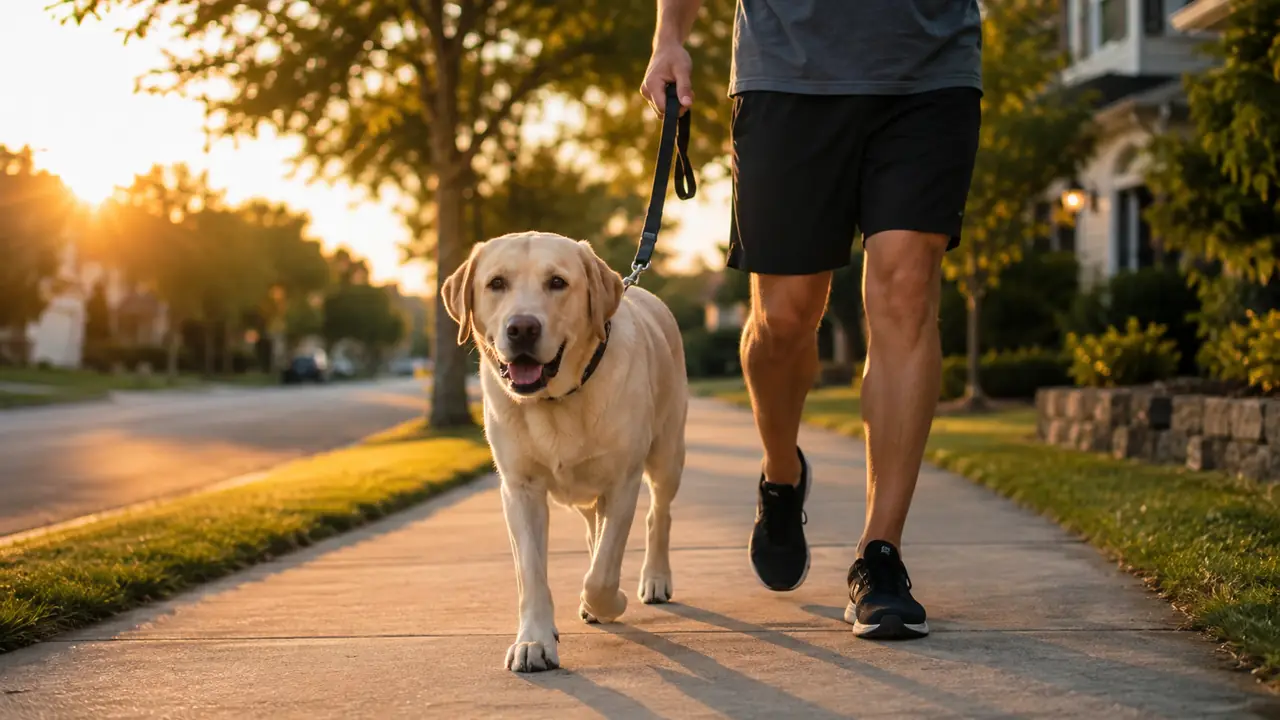
A useful dog daily routine balances basic care, movement, mental activity, training, social time, and real opportunities to rest. The goal is not to control every minute of the day. It is to create enough predictable structure that your dog knows what daily life normally looks like.
Updated August 13, 2026 · Veterinary and behavior sources checked
A good life for a dog is not measured by how many activities you can fit into one day.
Dogs also need predictability, recovery time, appropriate food and water, toilet opportunities, safe movement, social contact, mental engagement, and time when nobody expects anything from them.
A daily routine can bring those needs together without turning your home into a strict timetable.
The most useful routines use broad anchors—morning care, meals, activity, rest, another period of interaction, an evening wind-down, and sleep—while remaining flexible enough for work, weather, health, travel, and normal family life.
Your dog's routine should fit the individual dog rather than an online schedule copied from a completely different breed, age, or health status.
Quick Answer: What Should a Dog’s Daily Routine Include?
A balanced dog daily routine usually includes predictable access to fresh water, appropriate meals, toilet opportunities, suitable physical activity, opportunities to sniff and explore, mental enrichment, short reward-based training, social interaction, and enough quiet time to rest.
The amount and intensity of exercise should be adapted to the dog's age, breed or type, physical condition, health, temperament, and environment.
Puppies may need frequent toilet breaks, short activity periods, and more opportunities to sleep. Adult dogs may tolerate longer activity sessions, while senior or medically limited dogs may need slower movement, easier access to toilet areas, and more recovery time.
Think in predictable blocks rather than rigid clock times.
A Calm Dog Routine at a Glance
This is a framework, not a prescription. Change the order and intensity to fit your dog and household.
In This Dog Daily Routine Guide
1. Why a Daily Routine Can Help Your Dog
Dogs can learn patterns in everyday life. Familiar sequences can make it easier for a dog to understand when activity is likely to happen and when the household is expected to become quieter.
A useful routine also helps owners remember basic needs consistently: meals, fresh water, toilet access, exercise, enrichment, training, grooming, preventive care, and rest.
A routine can support:
- more predictable feeding and toilet habits
- regular opportunities for exercise and enrichment
- consistent training and household rules
- planned rest instead of constant stimulation
- better observation of changes in appetite, drinking, mobility, or behavior
- clearer division of dog-care responsibilities between family members
Routine should create useful structure rather than constant pressure.
Back to guide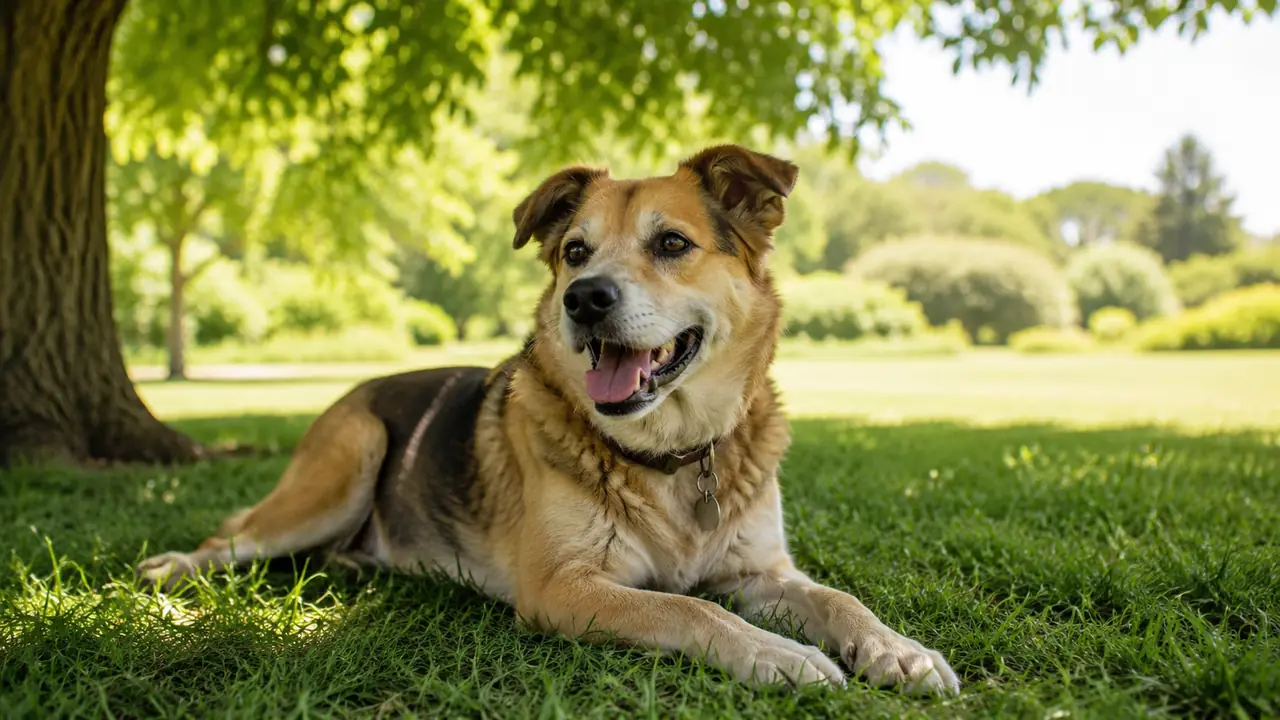
2. Predictable Does Not Mean Every Minute Must Be Identical
A dog routine should not make the owner afraid to be twenty minutes late or change plans because of weather.
Instead of building the entire day around exact clock times, think in familiar sequences.
This structure gives the day familiarity without making normal life impossible.
Back to guide3. Start With a Practical Morning Routine
The first priorities after waking depend on the dog, but toilet access and water are basic needs that should not be delayed unnecessarily.
Puppies, seniors, and dogs with urinary, gastrointestinal, mobility, or other medical issues may need especially prompt access to an appropriate toilet area.
A simple morning sequence may be:
- wake up
- toilet opportunity
- fresh-water check
- scheduled meal
- appropriate walk, sniffing, or activity
- brief training or interaction
- quiet recovery time
Some dogs exercise before breakfast and others eat first. Avoid assuming there is one universal order. Health conditions, medication, age, activity, and veterinary advice may change what is appropriate.
Back to guide4. Make Meals Predictable and Keep Fresh Water Available
Feeding works best as part of an intentional nutrition plan rather than a bowl filled by guesswork throughout the day.
The correct food, amount, and feeding frequency depend on factors including life stage, body condition, activity, health, and the diet being fed.
Use the food manufacturer's guidance as a starting point where appropriate and ask your veterinarian to help adjust portions for your individual dog.
Treats and training rewards also contribute calories and should be considered as part of the overall diet.
Keep mealtimes calm
- feed in a predictable location
- do not tease or repeatedly disturb a dog while eating
- manage multiple dogs separately if crowding or conflict is a concern
- keep food stored safely away from unsupervised access
- clean food and water bowls appropriately
Fresh water should be available according to your dog's health needs unless your veterinarian has provided different medical instructions.
A marked change in thirst or drinking behavior deserves attention rather than simply being treated as a routine problem.
Back to guide5. Fit Walks and Exercise to the Dog in Front of You
There is no single walk length or exercise schedule that is appropriate for every dog.
Exercise needs can vary substantially with age, breed or type, temperament, physical condition, health, fitness, environment, and the activity itself.
A healthy young adult may tolerate activities that would be inappropriate for a growing puppy, an older dog with reduced mobility, or a dog recovering from illness or injury.
A walk can provide more than physical movement
- toilet opportunities
- sniffing and environmental exploration
- practice walking calmly with the owner
- controlled exposure to everyday environments
- appropriate social and mental stimulation
Do not judge the value of a walk only by distance. For many dogs, controlled sniffing and exploration are meaningful parts of the outing.
Dogs with cardiovascular, respiratory, orthopedic, neurologic, or other health concerns should have exercise adapted with veterinary guidance.
Back to guide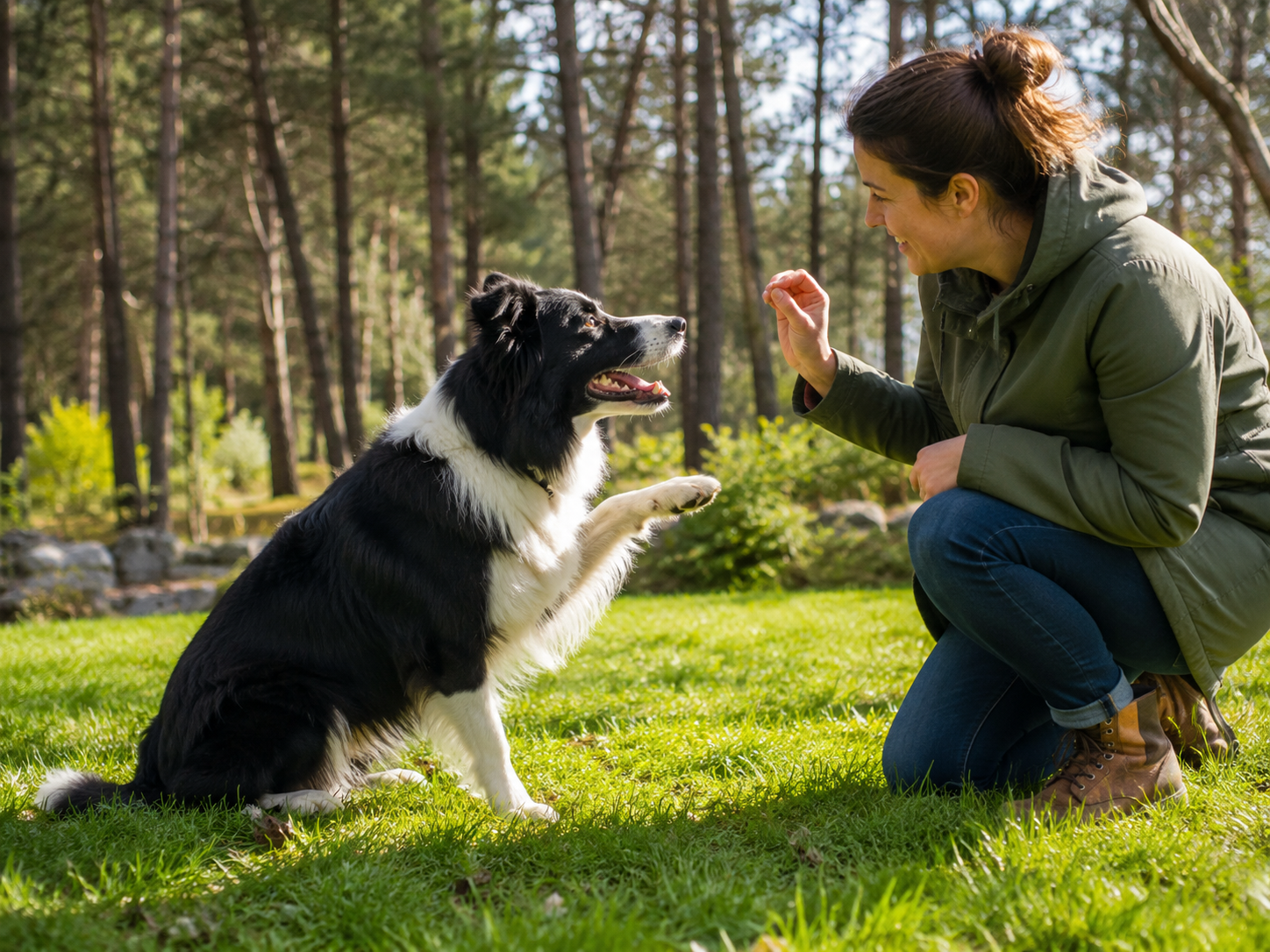
6. Include Mental Enrichment, Not Only Physical Exercise
A dog's day should not depend entirely on physical exercise for stimulation.
Appropriate mental activity can include sniffing, food-search games, problem-solving toys, short training, controlled exploration, or other safe activities suited to the individual dog.
Supervise unfamiliar enrichment items until you understand how your dog uses them, especially if the dog tends to destroy or swallow objects.
Back to guide7. Use Short Reward-Based Training Throughout the Day
Training does not have to be one long formal session.
Everyday moments create useful opportunities to reinforce skills such as waiting at doors, coming when called, walking calmly, settling on a mat, leaving an item, or cooperating with handling.
Keep daily training:
- short enough that the dog can remain engaged
- clear and achievable
- based on reinforcing desirable behavior
- appropriate to the dog's physical and emotional ability
- separate from punishment or intimidation
Several brief successful training opportunities can fit naturally into a routine without turning the entire day into obedience work.
If a dog is frightened, highly reactive, aggressive, or unable to cope with normal daily situations, seek qualified professional support rather than escalating corrections.
Back to guide8. Give Play a Beginning, a Middle, and an End
Play is useful for many dogs, but more excitement is not always better.
Some dogs become increasingly frantic during prolonged high-energy play and then struggle to transition directly into rest.
A simple play pattern may be:
- begin the game
- play at an appropriate intensity
- pause briefly
- practice a simple calm behavior if appropriate
- end the game before frustration or exhaustion
- offer water
- allow recovery time
Choose games that are physically suitable for your dog. High-impact, repetitive, or twisting activities may not be appropriate for every age, body type, or medical condition.
Back to guide9. Rest Is a Real Part of the Daily Routine
A balanced day includes times when the dog is not walking, training, playing, greeting people, or being handled.
Provide a comfortable area where the dog can settle without frequent interruption.
Children should learn not to repeatedly wake or disturb a resting dog.
Individual rest needs vary. Puppies, senior dogs, dogs recovering from illness, and highly active dogs may need different amounts and patterns of recovery.
Do not assume that every restless moment means the dog needs more exercise. Look at the whole day, including sleep, stimulation, toilet needs, hunger, stress, and health.
Back to guide10. Use Midday as a Reset
For many households, midday is a useful time to reassess basic needs.
Depending on the dog, this may include:
- a toilet opportunity
- checking fresh water
- a short walk or sniffing break
- brief enrichment
- a short training exercise
- social interaction
- another period of quiet rest
Puppies, seniors, dogs with medical conditions, and some individual adult dogs may need more frequent daytime toilet or care breaks than others.
If everybody is away from home for long periods, plan the day around the actual needs of your dog rather than assuming every dog can comfortably use the same schedule.
Back to guide11. Build Home-Alone Time Into the Routine Carefully
Dogs also need to learn what happens when people are not actively interacting with them.
Before leaving, make sure the dog has appropriate access to toilet needs, water, and a safe resting environment.
Remove unsafe objects and leave only enrichment items that are appropriate for that individual dog without direct supervision.
Keep departures and returns manageable rather than making every transition extremely intense.
Destruction during absence may need closer investigation
If home-alone problems include intense vocalization, frantic escape attempts, heavy drooling, self-injury, destruction focused around exits, or severe inability to settle, discuss the behavior with your veterinarian and an appropriately qualified behavior professional.
A camera can sometimes help owners and professionals understand what the dog is actually doing during an absence rather than guessing from the condition of the home afterward.
Back to guide12. Add Small Grooming and Body Checks to Everyday Care
Grooming does not have to mean a full bath or long brushing session every day.
Brief calm checks can help you notice changes in your dog's body and help the dog become more comfortable with normal handling.
Depending on the dog, check areas such as:
- coat and skin
- paws and nails
- ears
- eyes
- mouth and teeth
- collar or harness contact areas
- lumps, swelling, soreness, or unusual sensitivity
Coat type and grooming requirements vary widely, so the frequency and tools should be adapted to the individual dog.
Keep handling gradual and positive, especially when a dog is young, frightened, painful, or unfamiliar with grooming.
Back to guide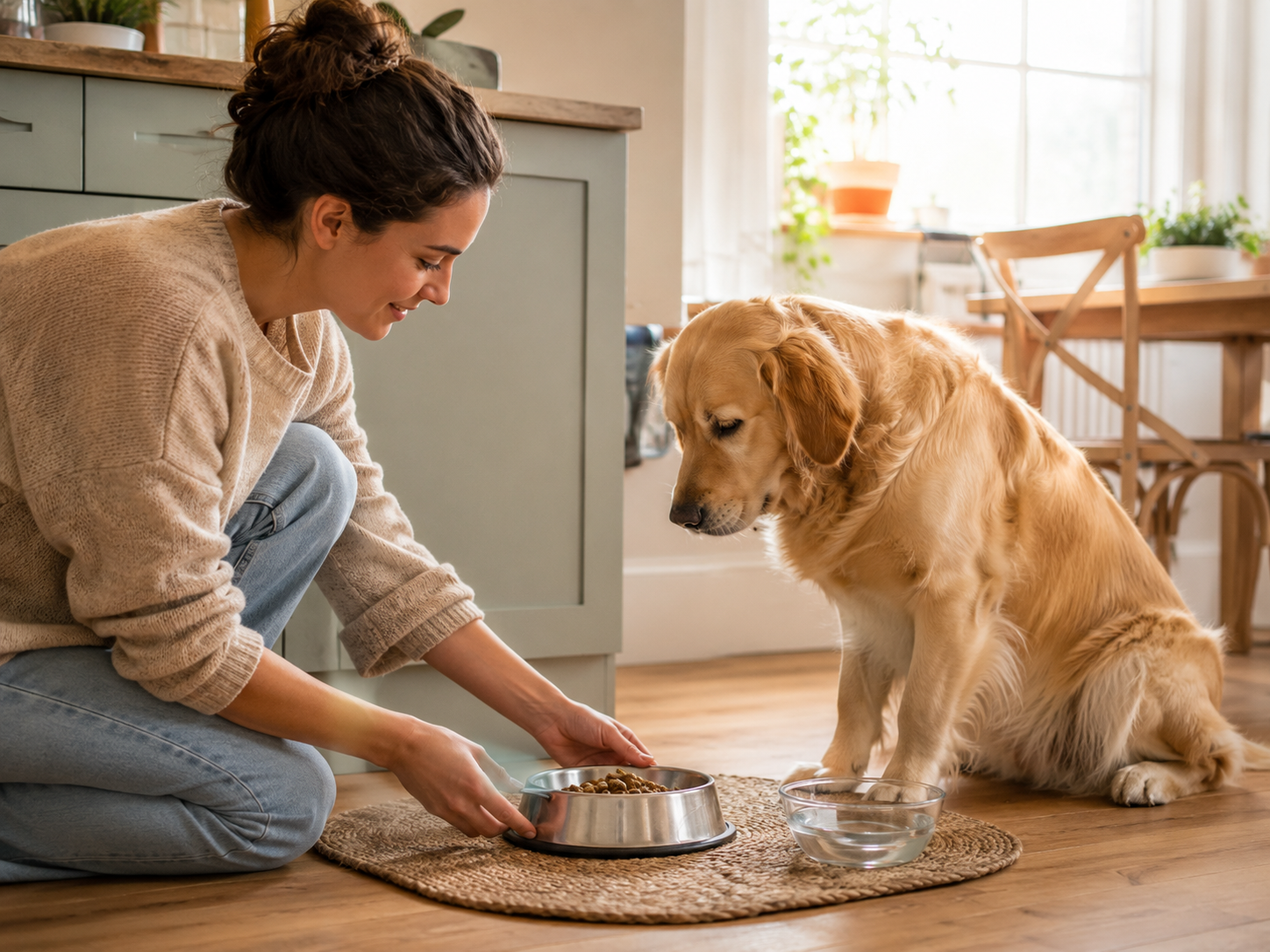
13. Let the Evening Gradually Slow Down
Evenings can combine family arrivals, meals, visitors, television, children, play, and attention. For some dogs, that creates a long period of stimulation.
If your dog struggles to settle at night, look at what happens during the hours before bedtime rather than focusing only on the final few minutes.
A calm evening may include:
- the normal scheduled meal
- a toilet opportunity
- an appropriate walk, sniffing session, or controlled play
- lower-energy family time
- brief grooming or body check when needed
- a final toilet opportunity
- a predictable sleeping area
Some dogs cope well with evening activity. Others do better when the final part of the day is quieter.
Adjust the pattern according to the dog instead of treating one routine as mandatory for every household.
Back to guide14. Make the Routine Clear to Everyone in the Family
A dog receives confusing information when every family member uses different rules.
Clear routines do not require harshness. They require household members to understand the same general plan.
Back to guide15. Change the Routine as Your Dog Moves Through Life Stages
The routine that works for a young puppy should not automatically remain unchanged for the dog's entire life.
Usually need more frequent toilet opportunities, shorter activity and training sessions, careful socialization, puppy-safe enrichment, and substantial opportunities to rest while growing.
Benefit from a routine matched to body condition, health, temperament, activity level, training needs, social environment, and individual interests.
May need slower or modified activity, easier access to toilet areas, environmental changes for mobility or sensory loss, additional comfort, and closer monitoring for changes in health or cognition.
Life stage is one reason veterinary preventive care matters. Your veterinarian can help you modify nutrition, activity, mobility support, and other parts of the routine as your dog changes.
Back to guide16. What If Your Schedule Changes or You Have a Busy Day?
One late meal or altered walk does not mean your dog's routine has failed.
Weather, work, illness, appointments, travel, and family events sometimes change the day.
When normal plans are disrupted, protect the dog's most important needs: appropriate food and water, toilet opportunities, medication when required, safe activity, necessary medical care, and opportunities to rest.
Then return to the familiar rhythm when practical.
Flexibility is useful. A dog should not require every event to happen at an identical minute in order to cope with normal family life.
Back to guide17. Common Dog Routine Mistakes
Watch for these common problems
- assuming every dog needs the same amount of exercise
- using intense physical exercise as the answer to every behavior problem
- forgetting mental enrichment and sniffing opportunities
- keeping the dog continuously stimulated without protected rest
- training only after unwanted behavior has already escalated
- allowing household rules to change from person to person
- feeding by guesswork without monitoring body condition
- ignoring changes in thirst, appetite, toileting, mobility, or energy
- expecting a senior dog to maintain the routine of a young adult
- forcing activity when a dog appears painful or unwell
A routine should support the individual dog rather than forcing the dog to fit a predetermined template.
Back to guide18. Signs Your Dog’s Routine May Need Adjusting
A routine is useful only while it still fits the dog's needs.
Review the plan when your dog:
- regularly appears unable to settle
- seems exhausted after normal activities
- begins refusing or struggling with usual walks
- has repeated toileting problems
- becomes significantly more reactive or fearful
- has difficulty coping with time alone
- shows an important change in appetite
- drinks or urinates noticeably more or less than usual
- develops stiffness, limping, or reduced mobility
- has a sudden significant change in behavior
Sometimes the answer is a training or management adjustment. Sometimes the change is medical.
Sudden or significant behavior changes should not automatically be treated as disobedience.
Back to guide19. When Changes in Routine Need Veterinary Attention
Owners often notice medical problems first as changes in ordinary daily behavior.
Contact your veterinarian about concerning changes such as:
- sudden loss of appetite
- marked change in drinking or urination
- persistent vomiting or diarrhea
- difficulty breathing
- collapse, seizures, or severe weakness
- significant pain or persistent vocalization
- sudden reluctance or inability to walk normally
- new severe stiffness or lameness
- major unexplained weight change
- a sudden significant change in normal behavior or awareness
If your dog appears to have a medical emergency, contact a veterinarian or emergency veterinary service promptly.
For persistent fear, aggression, self-injury, severe phobias, or complex behavior problems, your veterinarian may recommend additional professional behavior support.
Back to guideA Flexible Morning-to-Night Routine Template
Modify this template based on life stage, medical needs, medication timing, body condition, environment, working schedule, and your dog's actual behavior.
Explore More Daily Dog Care Guides
20. Frequently Asked Questions
Do dogs really need a daily routine?
A predictable daily pattern can provide useful stability and help make meals, toilet access, exercise, training, enrichment, and rest easier to manage consistently. It does not require every event to happen at an identical time each day.
What should I include in my dog’s daily routine?
Include appropriate food, fresh water, toilet opportunities, physical activity, mental enrichment, social interaction, reward-based training, quiet rest, and any grooming, medication, or health care your individual dog needs.
Does my dog need the same routine every day?
The general pattern can be predictable while still allowing normal flexibility. Weather, work, travel, health, and family plans may change exact timing. Focus on reliably meeting the dog's needs rather than following a rigid clock.
How many walks should my dog have every day?
There is no single number that is appropriate for every dog. Walk frequency, duration, and intensity should reflect the dog's age, health, breed or type, fitness, temperament, toileting needs, environment, and other daily activity.
Does a dog need mental exercise every day?
Appropriate mental stimulation and enrichment can be valuable parts of a daily routine. Examples include sniffing, short training, safe exploration, food-search activities, and suitable puzzle or manipulation toys.
Should I train my dog every day?
Short reward-based training moments can fit naturally into everyday life. Training does not need to be a long formal session. Useful skills can be reinforced during walks, meals, doorways, play, handling, and calm household moments.
Why is my dog restless every evening?
Evening restlessness can have many possible causes, including activity patterns, insufficient enrichment, overstimulation, toilet needs, discomfort, stress, or a learned routine. Review the whole day and contact a veterinarian if the behavior is new, severe, or associated with other health changes.
Should puppies and senior dogs follow the same schedule?
No. Puppies usually need more frequent toilet opportunities, shorter activities, developmentally appropriate training, and plenty of rest. Senior dogs may require modified exercise, easier access around the home, more recovery time, and adjustments for mobility, sensory, or medical changes.
What if my work schedule changes every day?
Use broad routine anchors instead of relying only on exact times. Make sure feeding, water, toilet needs, exercise, rest, medication, and other essential care are still covered, even when the exact schedule changes.
When should changes in my dog's routine worry me?
Contact your veterinarian when you notice sudden or significant changes in appetite, drinking, urination, stool, breathing, mobility, energy, weight, comfort, or normal behavior. Medical problems can first appear as changes in ordinary daily habits.
21. Veterinary & Behavior Sources
This educational article was prepared with reference to established veterinary and animal-behavior guidance.
- American Animal Hospital Association — Canine Life Stage Guidelines
- American Animal Hospital Association — Canine Life Stage Checklists
- American Animal Hospital Association — Lifestyle and Safety Assessment
- Merck Veterinary Manual — Behavior Problems of Dogs
- Merck Veterinary Manual — Normal Social Behavior in Dogs
- American Veterinary Society of Animal Behavior — Humane Dog Training Position Statement
Veterinary & Behavior Disclaimer
Daily Dog Care Guide provides general educational information for dog owners. This article does not replace veterinary examination, diagnosis, treatment, nutrition advice, exercise recommendations for a medical condition, prescription guidance, emergency care, or an individualized behavior plan.
Exercise, feeding, grooming, rest, and daily-care needs vary according to age, breed or type, body condition, temperament, lifestyle, environment, mobility, and health. Consult a qualified veterinarian about recommendations specific to your dog.
Final Thoughts
A good dog daily routine is not a schedule packed with constant activity.
It is a balanced pattern in which food, water, toilet needs, appropriate exercise, enrichment, training, social contact, grooming, and quiet recovery all have a place.
Keep the main parts of the day understandable without making every minute rigid. Adjust exercise and activity to the individual dog. Use reward-based training. Protect real rest. Watch for changes in ordinary habits that may signal a health problem.
Most importantly, allow the routine to change as your dog changes. Puppyhood, adulthood, senior life, illness, recovery, weather, and family circumstances all affect what a practical day should look like.
The best routine is not the one that looks most impressive on paper. It is the one that safely and consistently meets the needs of the dog living in your home.
Back to guideEveryday Routine Essentials
A predictable routine matters more than equipment; these are optional tools for common daily tasks.
A durable, easy-clean bowl option for everyday food and water routines.
View on Amazon →Optional product • paid linkNo-Pull Adjustable Dog HarnessA walking harness option to compare for fit, comfort, and everyday leash practice.
View on Amazon →Optional product • paid linkGrooming Gloves for Gentle DesheddingA gentle handling-friendly grooming option for routine coat care.
View on Amazon →Affiliate disclosure: As an Amazon Associate I earn from qualifying purchases. Always check size, fit, materials, labels, and your dog’s individual needs before buying.
Helpful next steps
Continue with a related guide, tool, or product resource.