Compact, sturdy, active, and built for exploration.

Dog Breed Guide
Beagle: Personality, Care, and Family Tips
A practical, human-written guide to the Beagle’s temperament, daily care, exercise, training, grooming, health notes, family life, and useful product ideas.
The Beagle is a cheerful, curious, energetic dog with a sweet expression, long ears, and a personality full of life.
Many families love the Beagle because it is friendly, affectionate, playful, and often very social. But this breed is not only cute and funny. It is also a scent hound with a powerful nose, a strong desire to explore, and a determined mind when something interesting catches its attention.
A Beagle can be a wonderful family dog when the family understands its real needs. It needs movement, scent-based activities, patient training, healthy weight control, ear care, and enough companionship.
This guide explains the Beagle in a clear and practical way so you can understand whether this breed fits your lifestyle and how to care for it responsibly.
Often social, affectionate, determined, and food-motivated.
Walks, sniffing, tracking games, and mental work are important.
Ear checks, food control, exercise, and safe walking habits matter.
01
Breed Overview
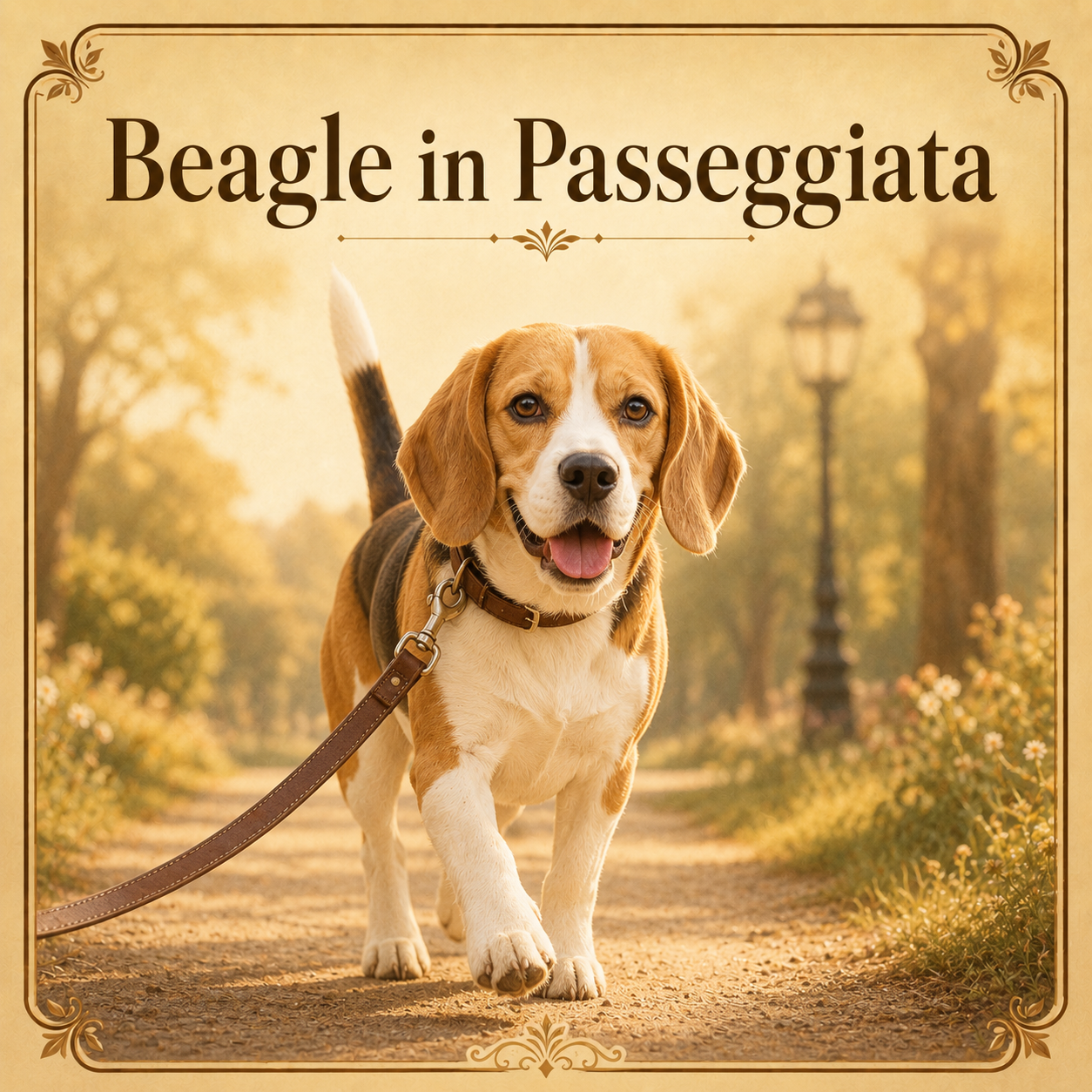
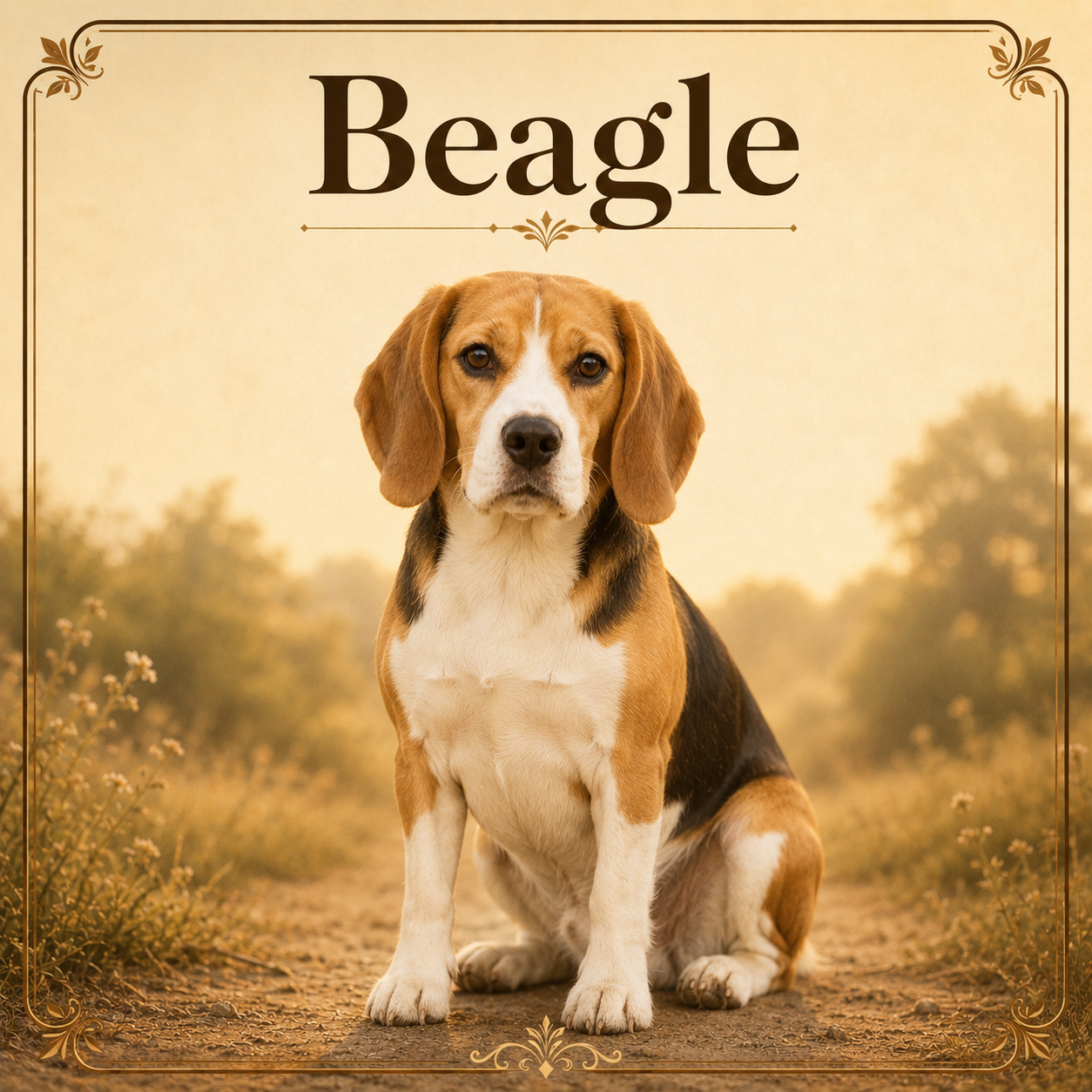
The Beagle is a small-to-medium scent hound known for its strong nose, friendly nature, and lively energy. It has a compact body, expressive eyes, long ears, and a short coat that is usually easy to manage.
Because the Beagle was developed as a hunting and tracking dog, scent is a major part of its world. A smell that seems ordinary to us can become deeply interesting to a Beagle.
This is why the breed needs safe walking habits, recall training, and enough opportunities to sniff and explore. Understanding this natural instinct helps owners care for a Beagle with more patience and realism.
02
Personality and Temperament
The Beagle is usually cheerful, social, affectionate, curious, and full of personality. Many Beagles enjoy people, other dogs, family activity, and playful routines.
This breed often dislikes boredom. If a Beagle has nothing to do, it may create its own entertainment by sniffing around the home, searching for food, chewing objects, or barking for attention.
Beagles are intelligent, but they can also be independent. When following a scent, they may seem as if they are ignoring everything else. This is not simple disobedience; it is part of the breed’s natural focus.
03
Daily Care Needs
Daily care for a Beagle should include food, fresh water, exercise, toilet breaks, ear checks, grooming, rest, training, and time with the family.
Because Beagles are often food-motivated, meals and treats should be measured carefully. It is easy to overfeed this breed, especially when the dog looks hungry or begs often.
A Beagle also needs a routine that gives it something healthy to do. A bored Beagle may bark, search for food, damage objects, or become restless.
- 01Provide measured meals and clean water.
- 02Offer daily walks with time to sniff.
- 03Use scent games and food puzzles.
- 04Check ears, paws, coat, and body condition.
- 05Create a calm resting place.
- 06Build alone time gradually and kindly.
04
Exercise Needs
The Beagle needs regular exercise. It enjoys walking, exploring, sniffing, and following interesting scent trails.
Exercise does not always have to be fast or intense. For a Beagle, a calm walk with enough sniffing can be more satisfying than a rushed walk with no time to explore.
In open spaces, safety matters. A Beagle may follow a smell and move away quickly, so off-leash time should happen only in secure, fenced areas unless recall is very reliable.
- 01Plan regular walks every day.
- 02Allow safe sniffing and exploration.
- 03Use scent games at home.
- 04Practice recall in low-distraction areas.
- 05Use a secure leash or long line when needed.
- 06Balance activity with calm rest.
05
Training Tips
Training a Beagle requires patience, consistency, and motivation. The breed is intelligent, but it can be independent and very focused on scent.
A Beagle may not obey simply to please its owner. Rewards, food motivation, short sessions, and clear habits usually work better than harsh correction.
Recall is especially important, but it should be trained slowly and carefully. Start in quiet, safe places before adding distractions.
- 01Teach name response and recall early.
- 02Practice loose-leash walking.
- 03Teach “leave it” for food and unsafe objects.
- 04Reward calm behavior and polite greetings.
- 05Keep training sessions short and positive.
- 06Use scent games as part of training.
06
Grooming Needs
The Beagle has a short coat that is usually easy to manage, but regular brushing still helps remove loose hair and keep the coat clean.
Ear care is very important. The Beagle’s long ears can hold moisture and dirt, so owners should check them gently and watch for redness, odor, scratching, or discomfort.
- 01Brush the short coat regularly.
- 02Check ears gently and often.
- 03Check paws after muddy walks.
- 04Watch nails and body condition.
- 05Keep bedding clean.
- 06Use dog-safe grooming products.
07
Health and Safety Notes
The Beagle is generally sturdy, but all dogs need responsible health care. Regular veterinary visits, healthy weight, safe exercise, and attention to changes are important.
Weight control is especially important because extra weight can affect movement, comfort, energy, and long-term health.
Watch for limping, unusual tiredness, itching, ear discomfort, vomiting, diarrhea, increased thirst, appetite changes, weight gain, or behavior that suddenly feels different from normal.
Safety note: Keep food, trash, medicine, chemicals, small objects, and unsafe outdoor areas away from a Beagle. This breed’s nose and appetite can lead it into trouble quickly.
08
Is This Breed Good for Families?
The Beagle can be an excellent family dog. It is often playful, affectionate, and patient, and it can build a warm bond with both adults and children.
However, children and dogs should always be supervised. A Beagle may be energetic, food-focused, or excited during play, while children must learn not to pull ears, disturb rest, or chase the dog constantly.
The Beagle usually wants to be involved in family life. It is not happiest when left isolated for long periods. It needs companionship, walks, play, and gentle guidance.
09
Best Products for This Breed
The best products for a Beagle are practical products that support safe walking, scent work, feeding control, training, grooming, and rest. Choose products based on your dog’s age, size, chewing habits, and veterinary advice when needed.
Secure harness and leash
Useful for safe walks, especially because Beagles may follow scent trails with strong focus.
Long line for recall practice
Helpful for controlled outdoor exploration while training recall in safe spaces.
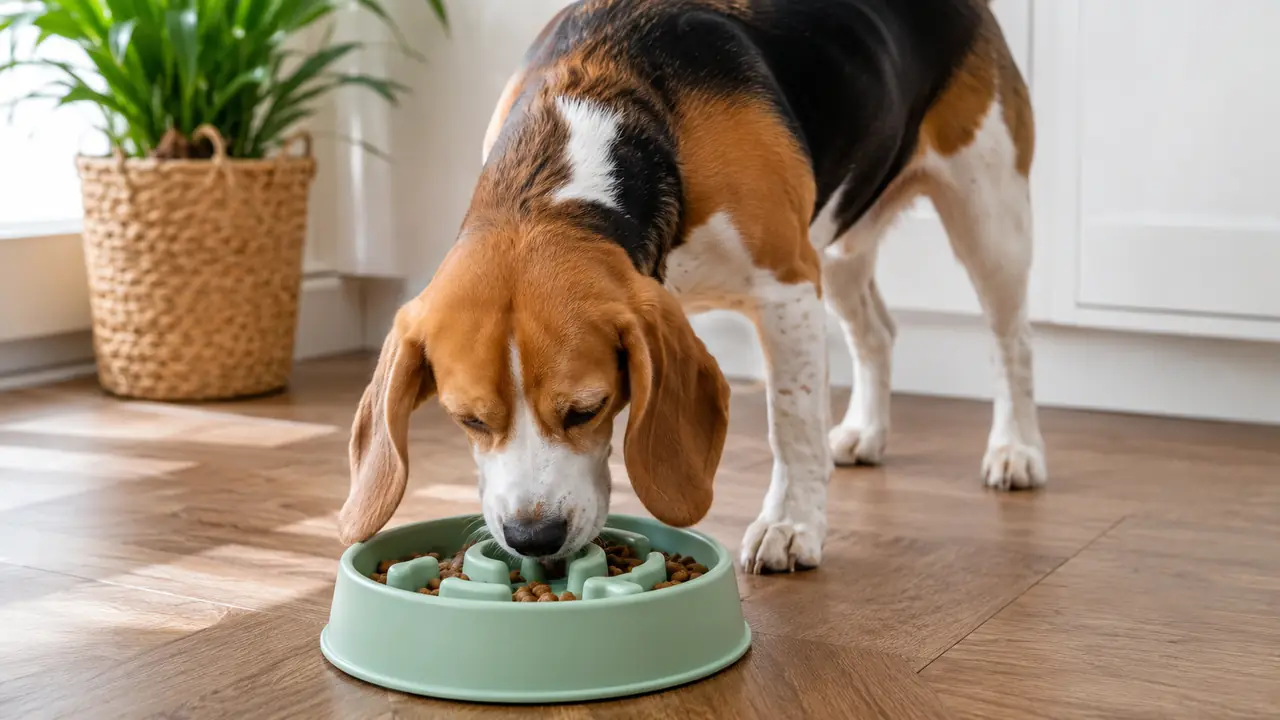
Slow feeder bowl
Good for Beagles that eat too quickly or become too excited around meals.
Scent-work toys
Food puzzles and sniffing games help satisfy the breed’s natural need to use its nose.
Ear-cleaning supplies recommended by a vet
Useful for routine ear care when your veterinarian recommends a specific safe product.
Comfortable dog bed
A calm resting place helps the Beagle settle after walks, play, and family activity.
When adding affiliate links, recommend products that genuinely help Beagle owners. Avoid products that encourage unsafe off-leash habits or harsh handling.
10
Final Thoughts
The Beagle is sweet, cheerful, curious, and full of energy. It can become a wonderful companion for active families and people who enjoy a dog with personality.
It is not a difficult dog, but it should not be underestimated. Its nose, energy, appetite, and desire to explore are part of who it is.
With regular walks, healthy feeding, gentle training, ear care, veterinary attention, and a present family, the Beagle can live a happy and meaningful life.
11
Medical Disclaimer
This article is for general dog-care information only. It is not veterinary advice and does not replace diagnosis, treatment, or guidance from a qualified veterinarian.
If your Beagle is sick, injured, limping, overheated, in pain, gaining weight quickly, refusing food, drinking much more than usual, scratching its ears, or behaving differently, contact a veterinarian.
Important: Always follow your veterinarian’s advice for diet, exercise limits, medication, vaccines, parasite prevention, ear care, and health concerns specific to your dog.
13
FAQ
Quick answers for people considering or caring for a Beagle.
Is the Beagle good for families?
Yes, it can be excellent for families that can provide walks, training, supervision, routine, and companionship.
Does a Beagle need a lot of exercise?
It needs regular movement and enough time to sniff and explore, not just rushed toilet breaks.
Can a Beagle be off leash?
Only in safe areas or with very strong recall. Many Beagles may follow scent trails with great focus.
Is the Beagle easy to train?
It can learn well, but it needs patience, rewards, consistency, and training that respects its scent-hound nature.
Does the Beagle bark a lot?
Some Beagles can be vocal, especially when bored, excited, or seeking attention.
Does the Beagle gain weight easily?
Many Beagles are very food-motivated, so portions, treats, and body condition should be managed carefully.
What products are useful for a Beagle?
A secure harness, leash, long line, slow feeder, scent toys, and comfortable bed can be useful.
What is the biggest mistake with this breed?
Underestimating the Beagle’s nose, appetite, recall needs, and need for daily mental activity.
Daily Dog Care Guide · Simple tips for a safer, healthier, happier dog.
🐾 Topic-matched picks
Everyday Gear to Compare for This Breed Guide
These are practical grooming, walking, or daily-care examples to compare — not breed-specific prescriptions.
Optional product • paid linkRubber Grooming Brush for Short Coats
A simple coat-care option to compare for short-haired dogs and routine loose-hair removal.
View on Amazon →Optional product • paid linkNo-Pull Adjustable Dog HarnessA walking harness option to compare for fit, comfort, and everyday leash practice.
View on Amazon →Optional product • paid linkDog Paw Cleaner CupA practical cleanup tool for muddy paws after outdoor walks.
View on Amazon →Affiliate disclosure: As an Amazon Associate I earn from qualifying purchases. Always check size, fit, materials, labels, and your dog’s individual needs before buying.
🎨 Color Dogs & Pets
Puppy Breed Color-Along Coloring BookDog-breed inspired color-along fun for creative kids.View book details →A Creative Break for Dog-Loving Kids
Explore puppy coloring and activity books for screen-free creative time, quiet afternoons, travel, and young dog fans.
See all dog-care products & books →Helpful next steps
Continue with a related guide, tool, or product resource.