Dog Exercise Needs: How Much Exercise Does Your Dog Need
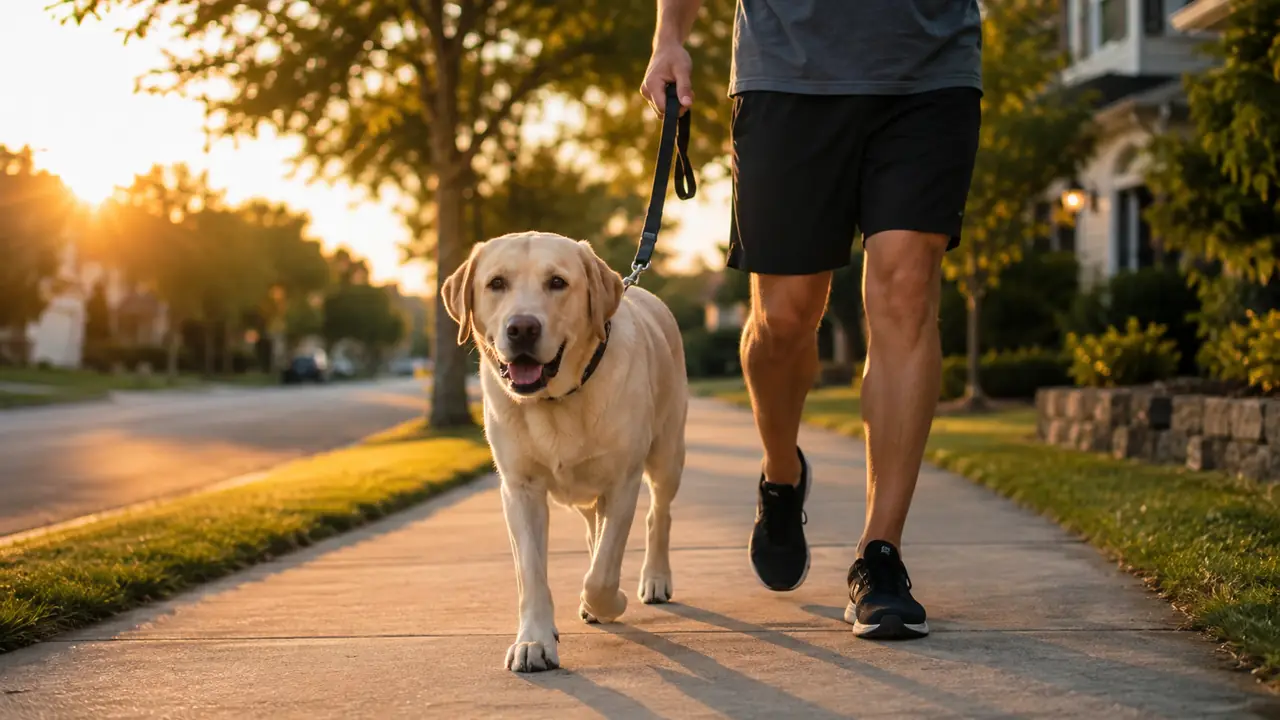
There is no universal number of minutes that tells every owner exactly how much exercise a dog needs. Safe exercise depends on the individual dog's age, body condition, health, breed or type, temperament, fitness, environment, weather, and response to activity.
Updated August 13, 2026 · Veterinary and behavior sources checked
“How much exercise does my dog need?” sounds like a question that should have a simple numerical answer.
In reality, two dogs can walk the same distance and experience it very differently. One may finish comfortably. Another may be physically exhausted. A third may find the environment emotionally overwhelming even though the distance was short.
Exercise also includes more than fast walking or running. Sniffing, controlled exploration, appropriate play, swimming when suitable, training, and other forms of enrichment can all contribute to a dog's activity plan.
The aim is not to exhaust the dog as deeply as possible. The aim is to support physical health and normal behavior while keeping the activity safe, sustainable, and appropriate for the individual dog.
Quick Answer: How Much Exercise Does a Dog Need?
Most healthy dogs benefit from regular daily physical activity and mental stimulation, but there is no single exercise duration that is appropriate for every dog.
Start with your dog's life stage, current fitness, body condition, breed or type, temperament, health, mobility, and normal lifestyle. Then watch how the dog responds during activity and recovers afterward.
A balanced plan may combine walking, sniffing, age-appropriate play, reward-based training, safe enrichment, and periods of real rest.
If your dog has a heart, respiratory, orthopedic, neurologic, metabolic, or other medical condition—or has recently been injured or inactive—ask your veterinarian how exercise should be modified.
6 Factors That Change a Dog’s Exercise Needs
In This Dog Exercise Guide
1. There Is No Universal “Minutes Per Day” Formula
General exercise estimates can be useful for starting a conversation, but they should not be treated as prescriptions for every dog.
A healthy young adult dog with an active lifestyle may tolerate much more activity than an older dog with arthritis. A dog returning to exercise after illness may need far less than another dog of the same breed.
Even dogs in the same household may have different requirements.
This is why exercise should be individualized according to age, breed or type, temperament, body condition, health, fitness, environment, and actual response.
Rather than chasing a perfect number, build a safe starting routine and adjust from evidence you can observe.
Back to guide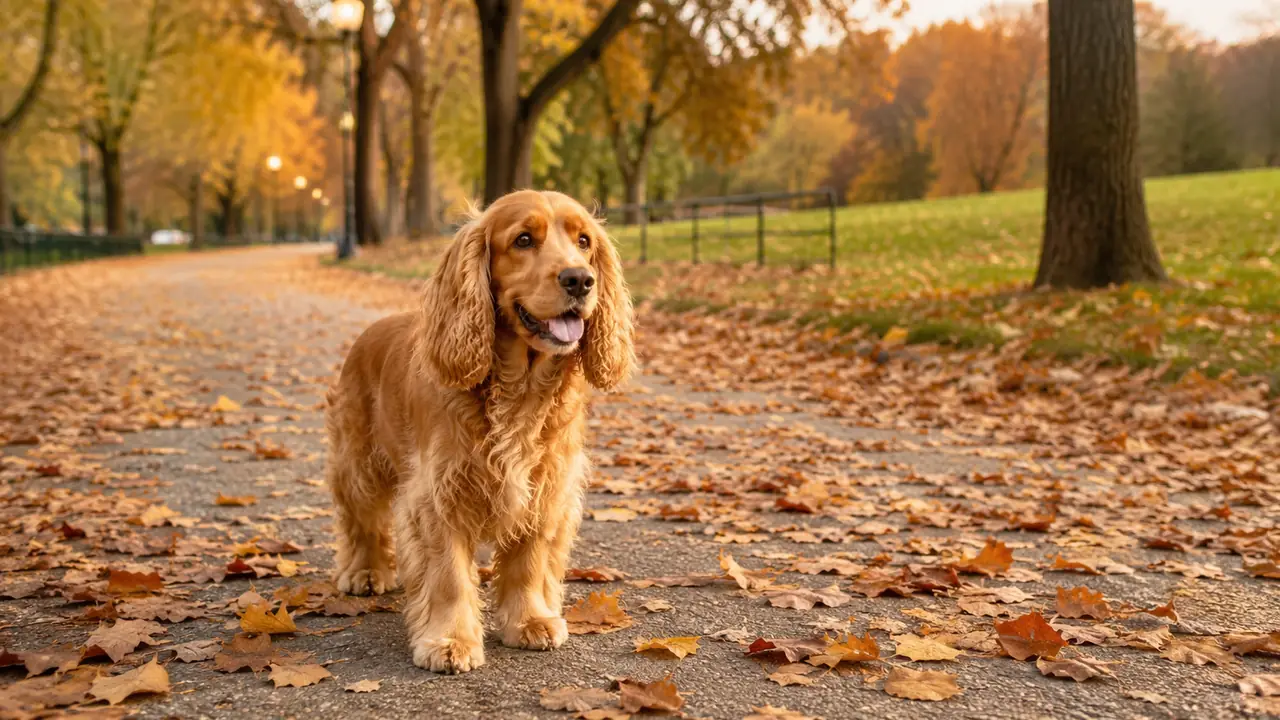
2. Dog Exercise Is More Than Walking or Running
Physical movement is important, but a complete activity plan can use several different types of exercise.
The best combination depends on what the individual dog can do comfortably and safely.
Back to guide3. Exercise Needs Change Across a Dog’s Life
Need developmentally appropriate movement, play, exploration, training, social experiences, and substantial opportunities for rest. Growing bodies should not simply be treated like miniature adult athletes.
Activity can be built around health, fitness, body condition, temperament, lifestyle, breed or type, and the dog's preferred forms of movement and enrichment.
Often continue to benefit from activity, but duration, intensity, surfaces, recovery, and home or walking environments may need adjustment for mobility or other age-related changes.
Life-stage changes are a reason to review exercise regularly rather than keeping the same routine for years without reassessment.
Back to guide4. How Much Exercise Does a Puppy Need?
Puppy activity should focus on healthy development rather than deliberately exhausting the puppy.
Useful activity can include gentle free movement, short walks where appropriate, play, reward-based training, sniffing, exploration, and positive social experiences.
Puppies are still growing, and developing bones and joints differ from those of mature dogs. Avoid assuming that a puppy should accompany an adult dog on every long-distance or high-intensity activity.
Repetitive forced running, large amounts of high-impact jumping, and exercise far beyond the puppy's current conditioning deserve particular caution.
There is also no strong reason to force every puppy into a simple one-size-fits-all minutes-per-month formula. Breed size, development, environment, health, and the type of activity matter.
Good puppy activity can include:
- short age-appropriate exploration
- sniffing in safe environments
- gentle play with natural pauses
- brief positive training sessions
- appropriate socialization
- plenty of opportunities to rest and sleep
Ask your veterinarian about activity if your puppy is unusually large, very small, recovering from injury, has an orthopedic concern, or is being prepared for strenuous sport or work.
Back to guide5. Adult Dog Exercise Should Match Fitness and Lifestyle
Healthy adult dogs often have the widest range of possible activities, but adult status alone does not tell you how much exercise is appropriate.
Consider body condition, muscle condition, current fitness, previous routine, behavior, environment, and medical history.
Some adults enjoy longer walks, hiking, controlled running, swimming, dog sports, or vigorous play. Others are better suited to moderate walks, sniffing, training, and lower-impact activities.
If the dog has been relatively inactive, increase activity progressively rather than jumping immediately to a demanding routine.
Fitness is developed through appropriate conditioning. Enthusiasm alone does not guarantee that the body is ready for sudden strenuous exercise.
Back to guide6. Senior Dogs Often Need Modified Exercise, Not No Exercise
Aging does not automatically mean activity should stop.
Appropriate movement can remain an important part of a senior dog's daily life, but the plan may need to change as mobility, strength, vision, hearing, endurance, or medical conditions change.
A senior-friendly plan may involve:
- shorter or slower walks
- more frequent recovery periods
- lower-impact movement
- avoiding slippery or difficult terrain
- gentle sniffing and exploration
- mental enrichment when strenuous physical activity is limited
- environmental adaptations for reduced mobility
Watch for stiffness, limping, difficulty getting up, reluctance to use stairs, slowing significantly during walks, or a change in willingness to exercise.
These changes should be discussed with a veterinarian because pain, arthritis, neurologic disease, heart disease, or other medical conditions can change exercise tolerance.
Back to guide7. Breed and Body Type Give Clues, Not a Complete Prescription
Breed history can help explain why some dogs have strong tendencies toward running, retrieving, scent work, herding, guarding, or other activities.
But breed should not be used as the only exercise calculator.
Two dogs of the same breed can differ in age, fitness, temperament, body condition, health, confidence, training, and preferred activities.
Physical structure also matters. Dogs with respiratory limitations, orthopedic problems, unusually short limbs, very large bodies, or other conformational considerations may need modified exercise.
Short-nosed dogs can also be more vulnerable to breathing and heat-related problems, so strenuous activity and warm weather require particular care.
Use breed information as context, then make decisions based on the dog in front of you.
Back to guide8. Increase Exercise Gradually as Fitness Improves
Dogs can become conditioned to activity just as people can.
A dog that normally takes short neighborhood walks should not suddenly be expected to complete a long hike, sustained run, or demanding sporting session simply because the dog appears enthusiastic.
Increase distance, duration, intensity, terrain difficulty, and new activities gradually.
Extra caution is useful when a dog:
- has been sedentary
- is overweight or underconditioned
- has recently recovered from illness or injury
- is beginning a new dog sport
- is moving from cool weather into hot-weather exercise
- has an underlying medical condition
Working and sporting dogs may require a much more specific conditioning, nutrition, hydration, and recovery plan developed with appropriate veterinary input.
Back to guide9. Sniffing Can Be an Important Part of a Walk
A dog walk does not need to be a continuous march from one point to another.
Dogs use scent to gather information about their surroundings, and appropriate opportunities to sniff can add useful mental engagement to an outing.
Depending on the location and safety, you can combine periods of forward walking with time for the dog to investigate interesting scents.
This is especially useful when you want an activity that engages the dog without depending entirely on high-speed physical exercise.
The amount of sniffing freedom should still reflect leash laws, recall, traffic, wildlife, other dogs, terrain, and local safety.
Back to guide10. Mental Enrichment Belongs Beside Physical Exercise
Some dogs need more than extra walking distance. They also benefit from opportunities to think, search, learn, and explore.
Reward-based training is preferable to adding aversive corrections when working on exercise-related behaviors such as pulling, recall, settling, or attention around distractions.
Back to guide11. High-Intensity Play Is Useful for Some Dogs, but More Is Not Always Better
Games such as fetch, tug, chase, and running can be enjoyable and physically demanding.
The right game and intensity depend on the individual dog's body, conditioning, arousal level, and health.
Repeating explosive acceleration, jumping, twisting, or sudden stops for a long period may be inappropriate for dogs with certain orthopedic conditions or poor conditioning.
During active play, watch whether your dog can:
- take natural pauses
- move comfortably without limping
- respond to familiar cues
- recover normally between bursts
- stop when the session ends
If an activity repeatedly leaves the dog physically sore or extremely difficult to settle, review both intensity and duration rather than simply adding more activity the next day.
Back to guide12. Signs Your Dog May Benefit From More Appropriate Activity
A dog receiving very little exercise or enrichment may become restless, but behavior alone cannot diagnose an exercise deficit.
Possible clues include:
- frequent restlessness despite otherwise normal health
- difficulty settling after long inactive periods
- persistent attempts to start play or interaction
- destructive behavior associated with boredom or lack of appropriate outlets
- weight gain combined with inadequate activity
- very limited opportunities to sniff, explore, train, or engage mentally
The same signs can also result from fear, separation problems, pain, gastrointestinal discomfort, poor sleep, incomplete training, or other causes.
If the dog appears healthy and activity is clearly limited, add appropriate movement or enrichment gradually and watch the response.
Back to guide13. Signs Your Dog May Be Getting Too Much Exercise
Dogs do not always stop at the first sign of fatigue. Excitement, drive, or the desire to continue following the owner can sometimes keep a dog moving beyond an appropriate level.
Reduce activity and assess the situation if you notice:
- limping or an altered gait
- significant stiffness after exercise
- repeated lagging or reluctance to continue
- unusually slow recovery
- marked weakness
- exercise that repeatedly causes pain afterward
- abnormally heavy or distressed breathing
- vomiting associated with strenuous activity
- collapse
- a major change in willingness to exercise the following day
Exercise should build or maintain function, not repeatedly produce pain or distress.
Back to guide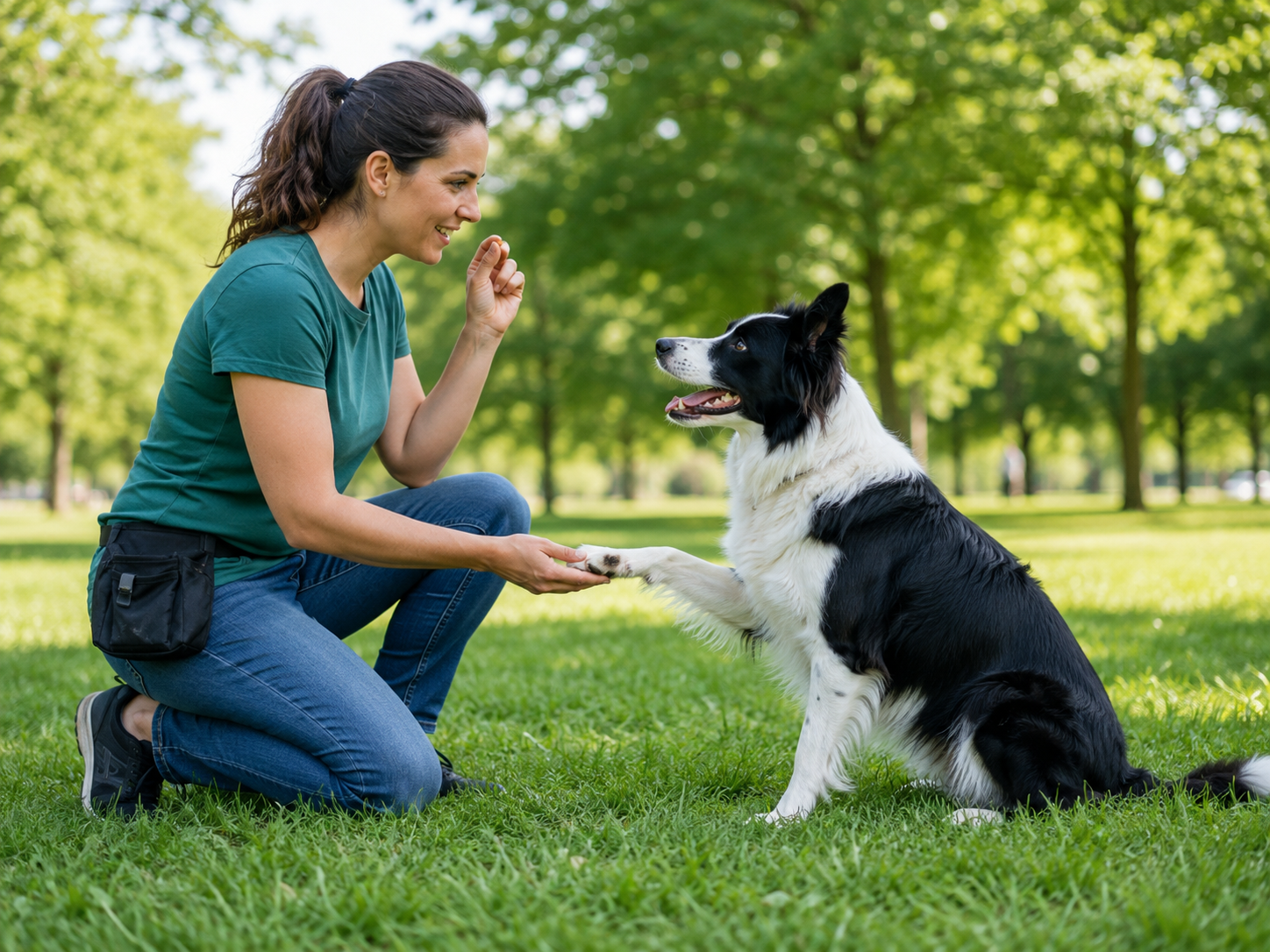
14. Do Not Judge Exercise Only While the Dog Is Moving
What happens afterward also provides useful information.
After normal exercise, allow access to appropriate water and an opportunity to rest in a comfortable environment.
Over the following hours, notice:
- whether breathing returns toward normal comfortably
- whether the dog can settle and rest
- whether walking remains comfortable
- whether stiffness or limping appears after resting
- whether appetite and behavior remain normal
- whether the dog appears normally willing to move later or the next day
The ability to settle after activity is useful context, but it is not a medical test. A dog can appear tired for many reasons.
Repeatedly poor recovery deserves a review of the exercise plan and, particularly when physical symptoms are involved, veterinary advice.
Back to guide15. Hot Weather Can Change a Safe Walk Into a Dangerous One
Dogs rely heavily on panting for cooling, and hot or humid conditions make strenuous exercise more dangerous.
Ground surfaces such as asphalt, concrete, sand, and metal can also become substantially hotter than the surrounding air and can injure paw pads.
During warm weather:
- choose cooler parts of the day when practical
- reduce intensity or duration when conditions demand it
- provide access to water and shade
- avoid dangerously hot pavement and surfaces
- watch breathing and behavior closely
- take extra care with dogs that have reduced heat tolerance
- do not leave a dog exercising simply because the dog still wants to continue
Heatstroke is an emergency
Rapid or distressed panting, heavy drooling, vomiting, weakness, incoordination, collapse, altered responsiveness, or other signs of overheating require immediate attention. Move the dog out of the heat and contact a veterinarian or emergency veterinary service promptly.
Dogs with short muzzles, respiratory disease, obesity, advanced age, or other health limitations may require additional precautions.
Back to guide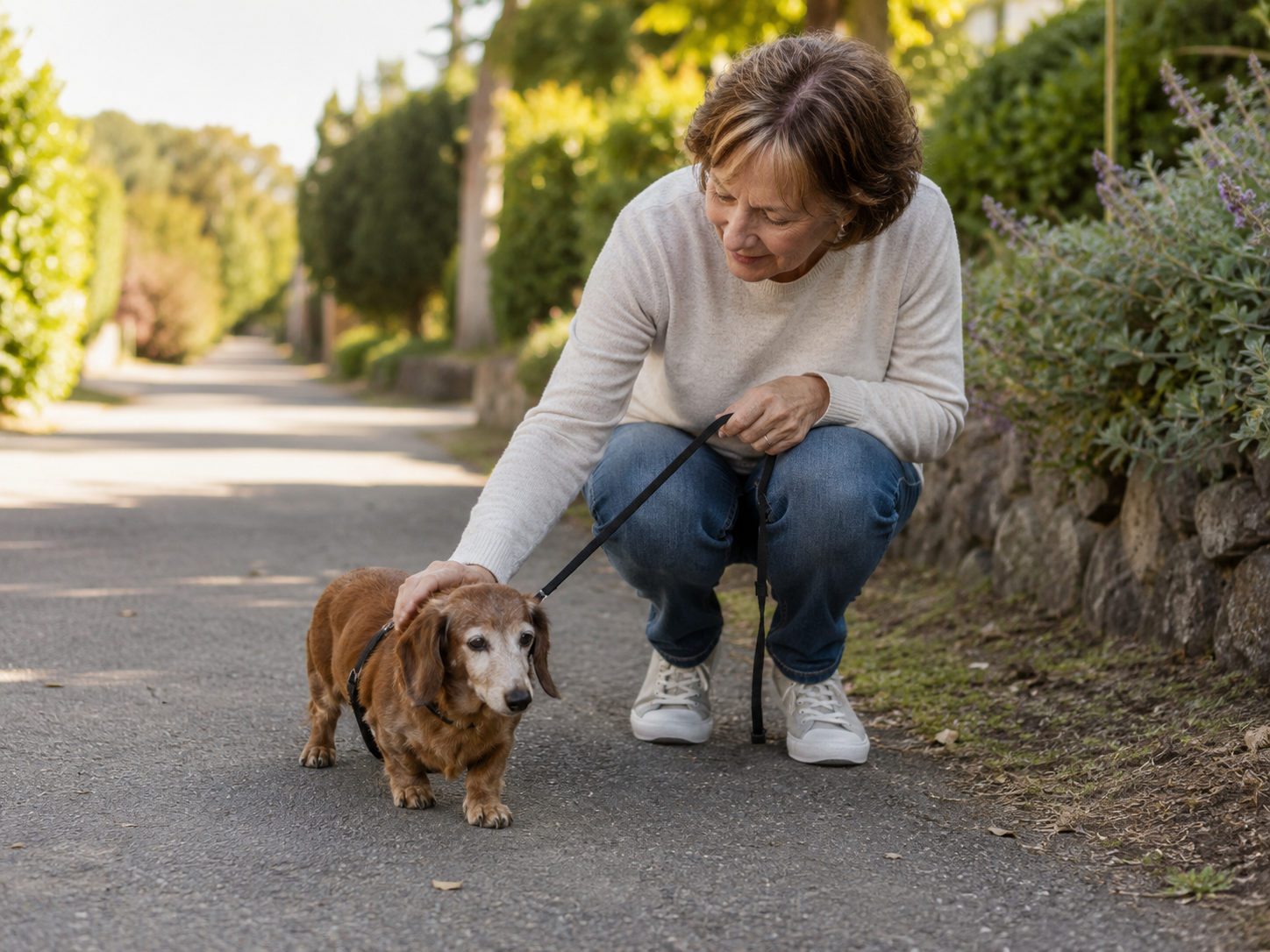
16. Cold, Rain, Snow, and Storms Also Require Adjustments
Exercise does not have to remain identical in every season.
Puppies, seniors, small dogs, thin-coated dogs, dogs with medical conditions, and individual dogs with poor cold tolerance may require shorter outings or additional protection in cold conditions.
Wet or icy surfaces can also affect footing, comfort, and safety.
During thunderstorms, extreme weather, dangerous winds, flooding, ice, or other hazardous conditions, outdoor exercise should not take priority over immediate safety.
Replace outdoor intensity with suitable indoor enrichment or short training when necessary.
Back to guide17. Nervous or Reactive Dogs May Need Different Exercise
A long walk through a crowded environment is not automatically better than a shorter walk in a place where the dog can remain comfortable.
Fearful or reactive dogs may become distressed by people, dogs, traffic, bikes, noises, or close encounters.
A more suitable exercise plan may use:
- quieter walking times
- lower-traffic routes
- more distance from known triggers
- controlled sniffing opportunities
- shorter outings before stress escalates
- indoor enrichment on particularly difficult days
- reward-based behavior training
Do not deliberately overwhelm a frightened dog in the belief that physical exhaustion will solve the behavior problem.
If normal walks are difficult or unsafe, discuss the problem with your veterinarian and an appropriately qualified reward-based behavior professional.
Back to guide18. Can Apartment Dogs Get Enough Exercise?
Yes. The size of the home does not by itself determine whether a dog's exercise and enrichment needs are met.
Apartment living simply means owners may need to plan outdoor movement and indoor enrichment more deliberately.
A practical apartment routine can include:
- appropriate toilet outings
- one or more walks suited to the dog
- sniffing opportunities
- short reward-based training
- safe food-search or puzzle activities
- controlled play where space allows
- quiet periods for rest
A yard also does not automatically provide enough exercise. Access to space is different from purposeful movement, enrichment, and interaction.
Back to guide19. Exercise for Dogs With Health or Mobility Problems
Medical conditions can substantially change exercise tolerance.
Dogs with arthritis, orthopedic injuries, heart disease, respiratory disease, neurologic problems, obesity, endocrine disorders, or other health issues may require an individualized plan.
In these cases, “exercise more” or “exercise less” is often too vague to be useful.
A veterinary plan may address:
- appropriate intensity
- duration and frequency
- surface and terrain
- weight management
- pain control
- rehabilitation exercises
- rest and recovery
- when to stop activity
Veterinary physical rehabilitation can also use targeted therapeutic exercise, hydrotherapy, and other modalities in appropriate patients.
Do not independently push a painful or medically limited dog through exercise simply because movement is generally considered healthy.
Back to guide20. Common Dog Exercise Mistakes
Avoid these common problems:
- using one fixed exercise number for every dog
- suddenly increasing activity after a sedentary period
- judging every walk only by distance
- assuming a yard automatically meets exercise needs
- using repeated high-intensity fetch as the only form of exercise
- forgetting sniffing and mental enrichment
- pushing growing puppies as though they are conditioned adult athletes
- expecting senior dogs to maintain a younger dog's routine
- ignoring limping, stiffness, pain, or abnormal breathing
- using strenuous exercise during dangerous heat
- forcing a fearful dog through overwhelming environments
- trying to solve every behavior problem by physically exhausting the dog
Exercise should be one part of a broader care plan that also considers training, nutrition, enrichment, sleep, health, and emotional wellbeing.
Back to guide21. When to Stop Exercise and Contact a Veterinarian
Normal tiredness after appropriate activity is different from collapse, respiratory distress, severe weakness, or significant pain.
Stop activity and seek veterinary advice for signs such as:
- collapse or fainting
- difficulty breathing or severe respiratory distress
- marked weakness or inability to continue normally
- loss of coordination
- seizures
- suspected heatstroke
- severe or persistent limping
- significant pain
- repeated vomiting associated with activity
- very abnormal recovery after exercise
- a sudden major decline in normal exercise tolerance
Exercise intolerance can have cardiac, respiratory, metabolic, neuromuscular, orthopedic, or other causes. Do not assume that a dog who suddenly cannot perform normal activity is simply “out of shape.”
If your dog appears to have a medical emergency, contact a veterinarian or emergency veterinary service promptly.
Back to guideA Simple Way to Build Your Dog’s Exercise Plan
A useful plan is not fixed forever. It should evolve as the dog changes.
Explore More Daily Dog Care Guides
22. Frequently Asked Questions
How much exercise does a dog need every day?
There is no universal daily number for every dog. Exercise needs depend on age, breed or type, health, fitness, body condition, temperament, environment, and the kind of activity. Start with an appropriate routine for your individual dog and adjust according to response and veterinary advice.
How many walks should my dog have each day?
Walk frequency varies with the individual dog's toilet needs, health, activity level, lifestyle, and other forms of exercise. Some dogs benefit from multiple shorter outings, while others may comfortably handle different patterns. Quality and suitability matter as well as number.
Is one long walk better than two short walks?
Not necessarily. The best pattern depends on the dog. Age, fitness, mobility, heat, terrain, toilet needs, and recovery all matter. Some dogs cope better with shorter sessions spread through the day.
Does sniffing count as exercise?
Sniffing provides mental and environmental engagement and can be a useful part of a walk. It does not replace every physical need, but exercise does not need to consist only of continuous fast walking.
Does training count as exercise?
Training provides mental work and can be combined with physical activity. Short reward-based sessions can add enrichment and help with skills such as recall, loose-leash walking, settling, and responding around distractions.
Can a dog get too much exercise?
Yes. Excessive intensity or duration can contribute to fatigue, soreness, injury, overheating, and poor recovery. Watch for limping, stiffness, weakness, abnormal breathing, reluctance to continue, collapse, or other concerning changes.
How do I know whether my dog is getting enough exercise?
Consider body condition, health, normal behavior, opportunities for movement and enrichment, and how the dog responds to the current routine. Restlessness can sometimes reflect inadequate activity, but it can also come from stress, training needs, poor sleep, pain, or illness.
How much exercise should a puppy have?
Puppy activity should be developmentally appropriate and include gentle movement, exploration, play, training, social experiences, and rest. There is no single minutes-per-month formula that safely replaces individual assessment. Ask your veterinarian when planning strenuous or repetitive activity for a growing puppy.
Should senior dogs still exercise?
Many senior dogs benefit from continued appropriate activity, but the plan may need modification for mobility, arthritis, heart or respiratory disease, reduced endurance, sensory changes, or other age-related conditions. Veterinary guidance can help determine a comfortable routine.
How should I exercise my dog in hot weather?
Reduce heat exposure by choosing cooler conditions, limiting intensity, using shade and water, avoiding dangerously hot surfaces, and closely watching the dog. Heatstroke is an emergency, and distressed panting, weakness, vomiting, incoordination, collapse, or other overheating signs require prompt veterinary attention.
When should I ask a veterinarian about my dog's exercise?
Ask your veterinarian when your dog has a medical condition, pain, mobility problems, obesity, respiratory or heart concerns, a recent injury, abnormal exercise intolerance, collapse, or a sudden change in willingness or ability to exercise.
23. Veterinary & Behavior Sources
This educational guide was prepared with reference to established veterinary and animal-behavior guidance. Sources checked August 13, 2026.
- American Animal Hospital Association — Canine Life Stage Checklists
- American Animal Hospital Association — Canine Life Stage Guidelines
- American Animal Hospital Association — Understanding the Senior Life Stage
- American Animal Hospital Association — How to Prevent Heatstroke
- American Animal Hospital Association — Protecting Dog Paws From Hot Pavement
- Merck Veterinary Manual — Fatigue and Exercise in Dogs
- Merck Veterinary Manual — Exercise Intolerance and Exercise-Induced Collapse in Dogs
- American Veterinary Society of Animal Behavior — Humane Dog Training Position Statement
Veterinary & Exercise Disclaimer
Daily Dog Care Guide provides general educational information for dog owners. This article does not replace veterinary examination, diagnosis, treatment, rehabilitation advice, individualized exercise prescription, emergency care, or an individualized behavior plan.
Safe exercise varies with age, growth, breed or type, body condition, fitness, environment, weather, medication, temperament, mobility, and medical history. Consult a qualified veterinarian about exercise recommendations specific to your dog, particularly when disease, pain, injury, breathing difficulty, reduced mobility, or exercise intolerance is present.
Final Thoughts
The answer to “How much exercise does my dog need?” is not hidden in one universal number.
A useful exercise plan begins with the individual dog: age, health, body condition, fitness, temperament, physical structure, environment, weather, and current ability.
Use a mix of appropriate movement and mental engagement. Let dogs sniff. Use reward-based training. Build fitness gradually. Include recovery and rest instead of treating exhaustion as the goal.
Modify the plan as puppies mature, adults change fitness, seniors develop different mobility needs, or medical conditions appear.
Most importantly, pay attention to the dog's response. Exercise should help support health and quality of life. It should not repeatedly leave the dog painful, overheated, frightened, unable to breathe comfortably, or unable to recover normally.
The best exercise plan is not the one with the biggest number of minutes or miles. It is the one that safely fits the dog living in front of you.
Back to guideEveryday Walking & Exercise Gear
Adjust exercise for age, fitness, breed traits, weather, and medical conditions.
A walking harness option to compare for fit, comfort, and everyday leash practice.
View on Amazon →Optional product • paid linkPortable Dog Water BottleUseful for keeping drinking water available during walks, travel, and warm-weather outings.
View on Amazon →Optional product • paid linkHigh-Visibility Reflective VestA visibility aid to compare for low-light walks and outdoor activity.
View on Amazon →Affiliate disclosure: As an Amazon Associate I earn from qualifying purchases. Always check size, fit, materials, labels, and your dog’s individual needs before buying.
Helpful next steps
Continue with a related guide, tool, or product resource.