Senior Dog Care: Comfort, Health, Mobility and Daily Routine
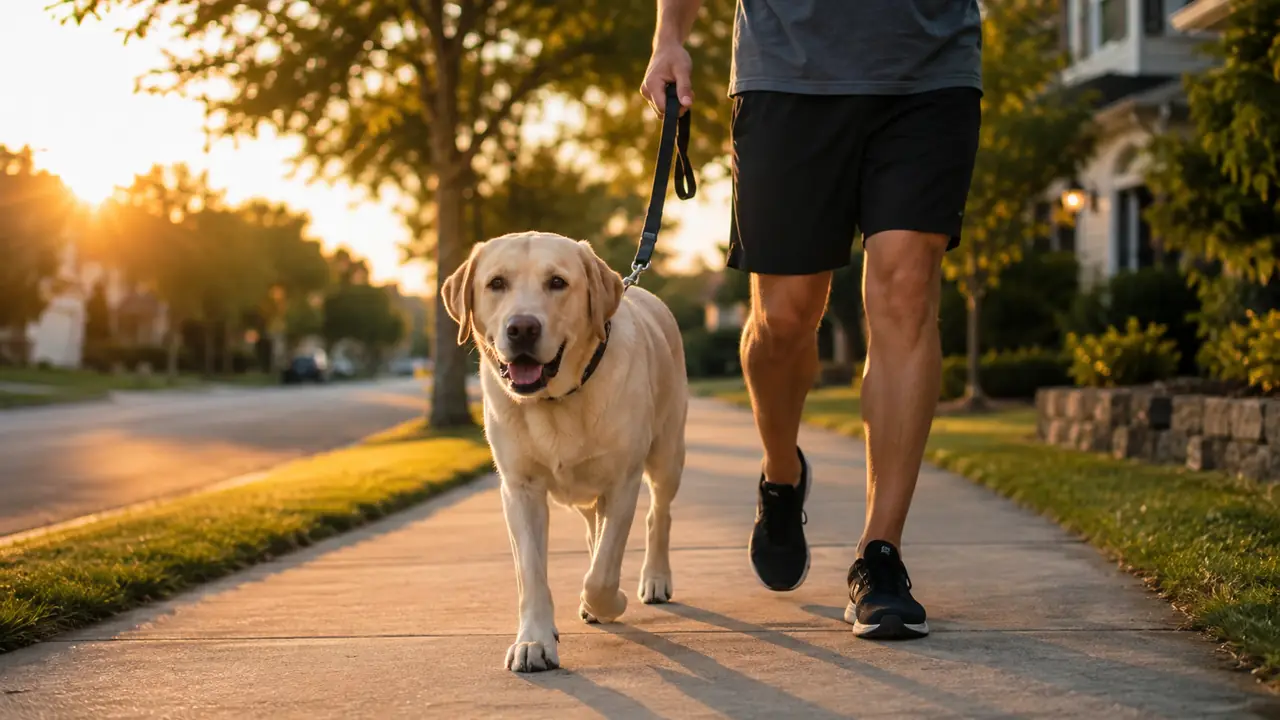
Senior dog care is not simply about accepting that an older dog will become slower. Aging changes health risks, mobility, muscle, senses, sleep and cognition, but pain and illness should never be dismissed as “just old age.” The goal is to preserve comfortable movement, normal daily function and the activities that still bring the dog joy.
Updated August 13, 2026 · Senior-care veterinary guidance checked
Senior status is not defined by one birthday for every dog. Breed, size, expected lifespan and individual health all influence life stage.
An older dog may still enjoy the same things that have always mattered: familiar people, favorite smells, meals, gentle walks, sunshine, quiet play and a comfortable place to sleep.
The difference is that accessing those things may require more support.
A slippery floor that once meant nothing can become difficult.
A staircase can become painful.
A long walk may require more recovery.
Dental disease can make eating uncomfortable, and hearing or vision changes can make familiar situations feel less predictable.
Good senior care is therefore proactive.
It looks for small changes while there is still time to make life easier.
Quick Answer: What Does a Senior Dog Need Most?
A senior dog needs regular veterinary assessment, an appropriate individualized diet, healthy body and muscle condition, comfortable daily movement, good traction, protected rest, oral care, mental engagement and a predictable routine.
Watch for subtle pain signs such as difficulty rising, hesitation on stairs, reduced jumping, shorter play, altered posture or reluctance to be touched.
Also monitor weight, muscle loss, appetite, thirst, urination, bowel habits, sleep, hearing, vision and behavior.
Nighttime pacing, disorientation, house-training changes or altered social behavior should be discussed with a veterinarian rather than automatically blamed on age.
Once a dog reaches the senior life stage, AAHA guidance supports veterinary examinations at least twice yearly, with screening tailored to the individual dog.
The Four Foundations of Senior Dog Care
In This Senior Dog Care Guide
1. There Is No Single Birthday When Every Dog Becomes Senior
Dogs age at different rates.
Breed, body size, expected lifespan, genetics, medical history and individual health all influence the senior life stage.
AAHA defines the senior canine life stage as approximately the final 25% of the dog's estimated lifespan through end of life.
This means a large or giant dog may reach the senior stage earlier in chronological years than a small dog with a longer expected lifespan.
Ask your veterinarian when senior screening should begin for your individual dog instead of waiting for one universal birthday.
Back to guide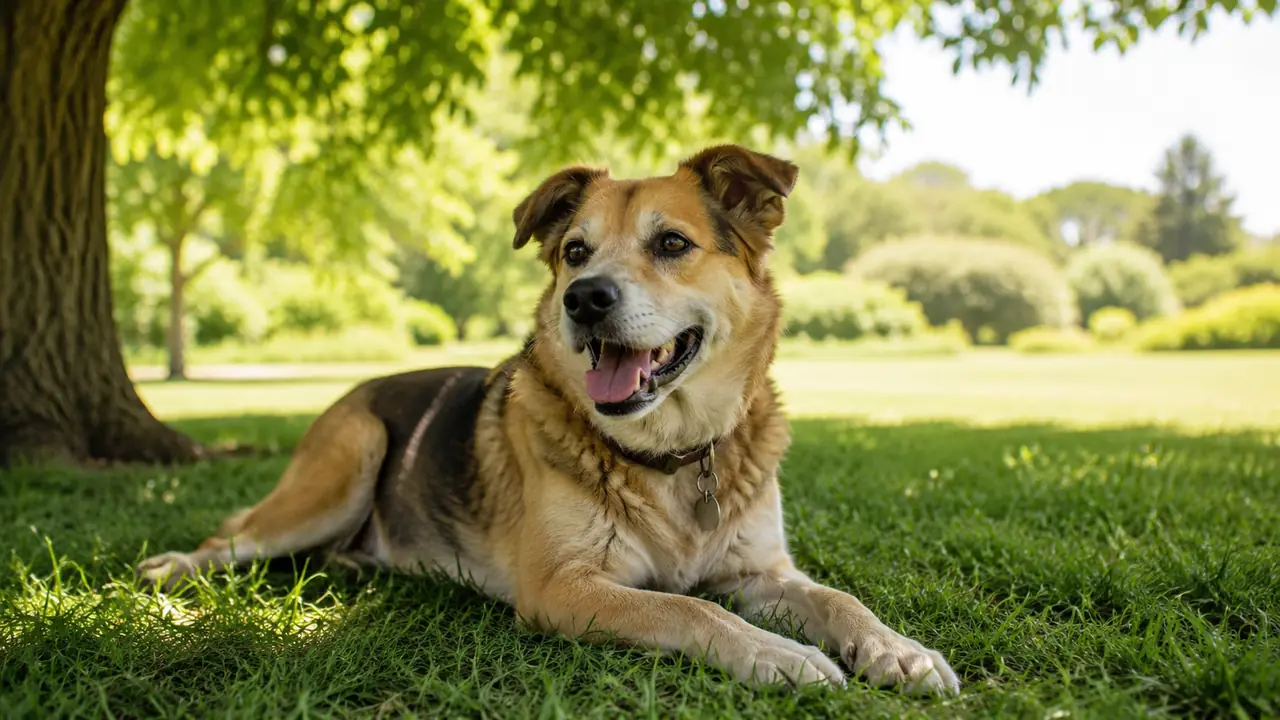
2. “Old Age” Should Not Be Used as a Diagnosis
Aging changes the likelihood of many diseases, but age itself does not explain every new symptom.
A dog that suddenly stops using stairs may have pain.
A dog that starts having accidents may have urinary, gastrointestinal, neurologic, cognitive or mobility problems.
A dog that becomes irritable may have arthritis, dental pain, sensory loss or another medical condition.
A dog that loses weight may have reduced muscle, dental disease or systemic illness.
A useful senior-care question
Instead of asking, “Is this normal because my dog is old?” ask, “What has changed, when did it begin, and could a treatable health problem explain it?”
3. Chronic Pain Can Be Quiet
Dogs do not always cry when they hurt.
Chronic pain can first appear as a change in normal behavior.
Record short videos of the dog rising, walking, using stairs or entering the car.
Home videos can help the veterinary team see mobility changes that may not be obvious during a clinic visit.
Back to guide4. Arthritis Can Affect More Than the Way a Dog Walks
Osteoarthritis can cause stiffness, reduced range of motion and chronic pain.
Lameness may not always be dramatic, especially when several joints are affected.
A dog may instead stop doing things that have become uncomfortable.
Examples include:
- playing less
- walking behind the owner
- hesitating before lying down
- avoiding stairs
- changing sleeping locations
- struggling to squat for toileting
- resisting nail care or handling
Veterinary pain management is often multimodal and may combine appropriate medication, weight management, rehabilitation, exercise modification and environmental changes.
Do not create your own pain-medication plan.
Back to guide5. Make the Home Easier to Navigate
Environmental changes can preserve independence.
A fitted mobility harness can help some dogs that need assistance rising or moving, but it should fit correctly and not become a substitute for veterinary assessment of new weakness.
Back to guide6. Senior Dogs Still Need Exercise — But the Dose Becomes Individual
Stopping all exercise can contribute to further loss of strength and mobility.
At the same time, forcing an older dog through a long or intense outing can worsen pain or fatigue.
There is no universal senior-dog walking duration.
A better plan considers:
- joint disease
- heart and respiratory health
- muscle strength
- neurologic function
- body condition
- weather
- recovery after exercise
Many older dogs do well with regular lower-impact movement, including comfortable walks with opportunities to sniff.
Watch not only what happens during the walk, but also how the dog moves later that day and the following morning.
Veterinary rehabilitation can be useful for some dogs with chronic musculoskeletal disease.
Back to guide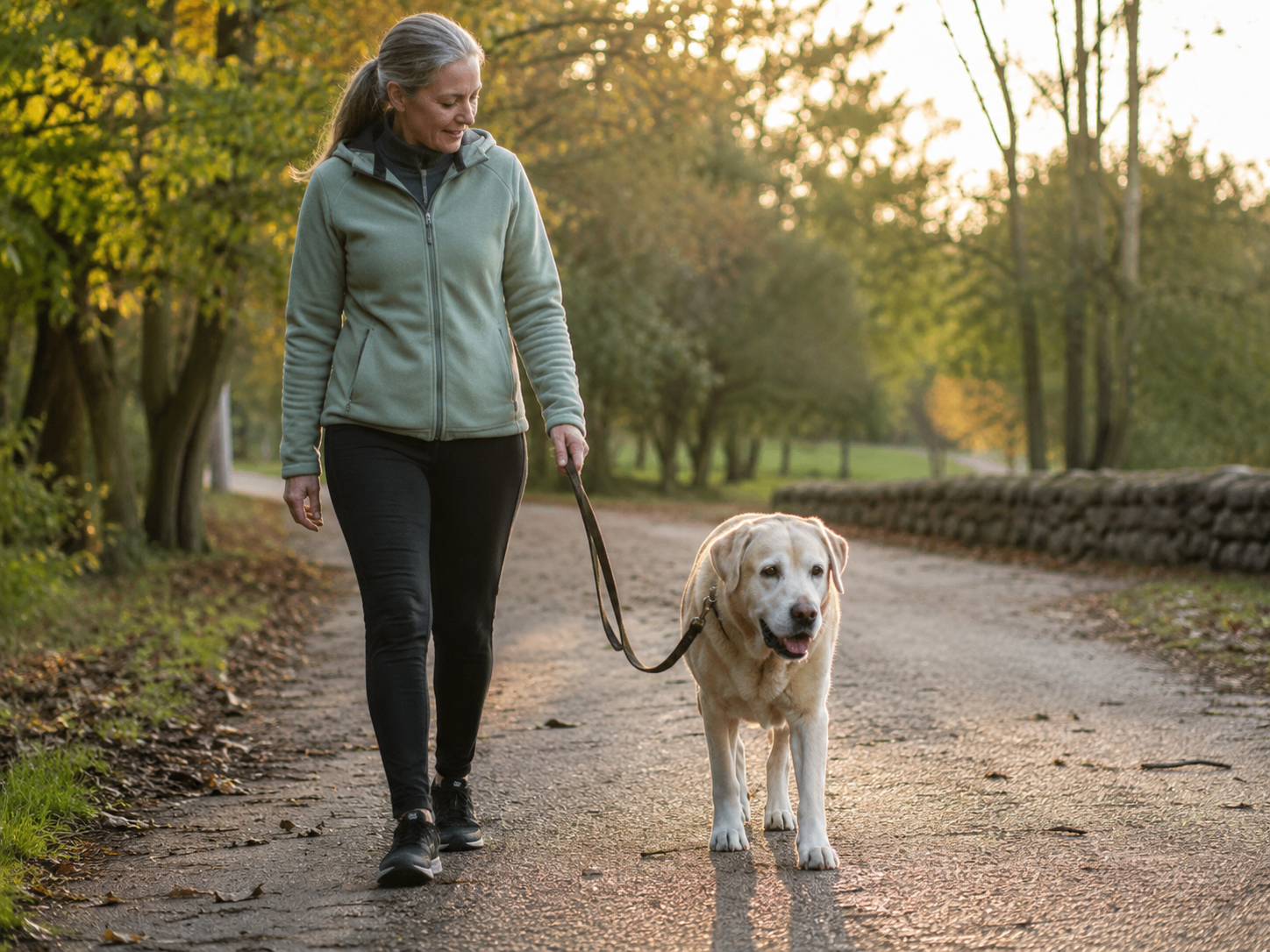
7. Watch Muscle Condition as Well as Body Weight
A scale tells you only part of the story.
Senior dogs can lose lean muscle while retaining or gaining body fat.
A dog can therefore appear to maintain a similar body weight while becoming weaker.
Veterinary nutrition assessment can include:
- body weight
- Body Condition Score (BCS)
- Muscle Condition Score (MCS)
- diet history
- appetite
- activity and mobility
WSAVA's muscle-condition system specifically assesses muscle independently from fat stores.
This matters because an overweight dog can still have clinically important muscle loss.
Back to guide8. There Is No Single “Senior Diet” That Is Right for Every Older Dog
Senior dogs can have different calorie and nutrient needs.
Some require calorie reduction because activity has decreased.
Others lose weight or muscle and may need a different nutritional strategy.
Medical conditions such as kidney disease, heart disease, gastrointestinal disease, obesity or diabetes can change the appropriate diet substantially.
Do not automatically restrict protein because a dog is old
Older dogs can lose lean body mass. Protein or other nutrient restriction should be based on the individual dog's health and veterinary nutrition plan—not age alone.
Do not switch to a therapeutic diet simply because a food label says “senior.”
Ask your veterinary team to evaluate body condition, muscle condition, medical diagnoses and the complete diet.
Back to guide9. Appetite, Drinking and Weight Changes Deserve Attention
Older dogs can develop diseases that change appetite, thirst, urination or body weight.
Contact the veterinarian if you notice:
- unexplained weight loss
- rapid weight gain
- persistent appetite loss
- marked increase in appetite
- substantially increased drinking
- substantially increased urination
- difficulty chewing or swallowing
- repeated vomiting or diarrhea
Do not respond to unexplained weight loss simply by adding calorie-dense treats.
Find out why the change is happening.
Back to guide10. More Sleep Can Occur With Age — But Restlessness Is Information
Senior dogs often spend more time resting.
What matters is whether sleep remains comfortable and predictable.
Discuss changes such as:
- frequent nighttime waking
- pacing after dark
- panting while resting
- repeatedly changing position
- crying when lying down or rising
- sleeping all day and remaining active much of the night
Pain, bathroom needs, anxiety, respiratory disease and cognitive changes can all affect sleep.
Do not assume nighttime restlessness is an unavoidable part of aging.
Back to guide11. Learn the Common Categories of Canine Cognitive Dysfunction
Canine cognitive dysfunction is an age-related neurodegenerative disorder.
Veterinary guidance commonly uses the acronym DISHAA to organize possible clinical signs.
These signs are not automatically proof of cognitive dysfunction.
Pain, sensory loss, neurologic disease, urinary disease and other medical problems can produce similar changes.
Early veterinary evaluation matters because treatment and environmental support may improve quality of life.
Back to guide12. Hearing and Vision Changes Can Alter Behavior
A dog that hears less may startle when touched unexpectedly.
A dog with reduced vision may hesitate in dim rooms, misjudge steps or become less confident in unfamiliar environments.
Useful adjustments may include:
- approaching where the dog can see you
- avoiding sudden handling while the dog sleeps
- keeping furniture routes relatively consistent
- using safe night lighting
- blocking hazardous stairs or pools when necessary
- using predictable cues and routines
A sudden change in vision, hearing, balance or neurologic function requires veterinary assessment.
Back to guide13. New Bathroom Accidents Are a Symptom to Investigate
A senior dog may need more frequent bathroom opportunities.
Mobility limitations can also make getting outside difficult.
But new house soiling may have medical or cognitive causes.
Look for:
- increased thirst
- increased urine volume or frequency
- straining
- blood in urine or stool
- diarrhea
- constipation
- difficulty squatting
- confusion about the usual exit
Do not punish accidents.
Increase access to appropriate bathroom opportunities and arrange veterinary assessment for a new or persistent change.
Back to guide14. Dental Disease Can Quietly Reduce a Senior Dog's Comfort
Periodontal disease becomes more common in older dogs, especially smaller dogs.
Dental disease can cause pain even while the dog continues eating.
Watch for:
- persistent bad breath
- red or bleeding gums
- drooling
- dropping food
- chewing on one side
- broken or loose teeth
- difficulty picking up or chewing food
- oral swelling or visible masses
AAHA recommends oral examination at every veterinary visit for senior pets.
Comprehensive veterinary dentistry may require general anesthesia and dental radiographs to assess disease beneath the gumline.
Advanced age alone is not a reason to ignore painful oral disease.
Back to guide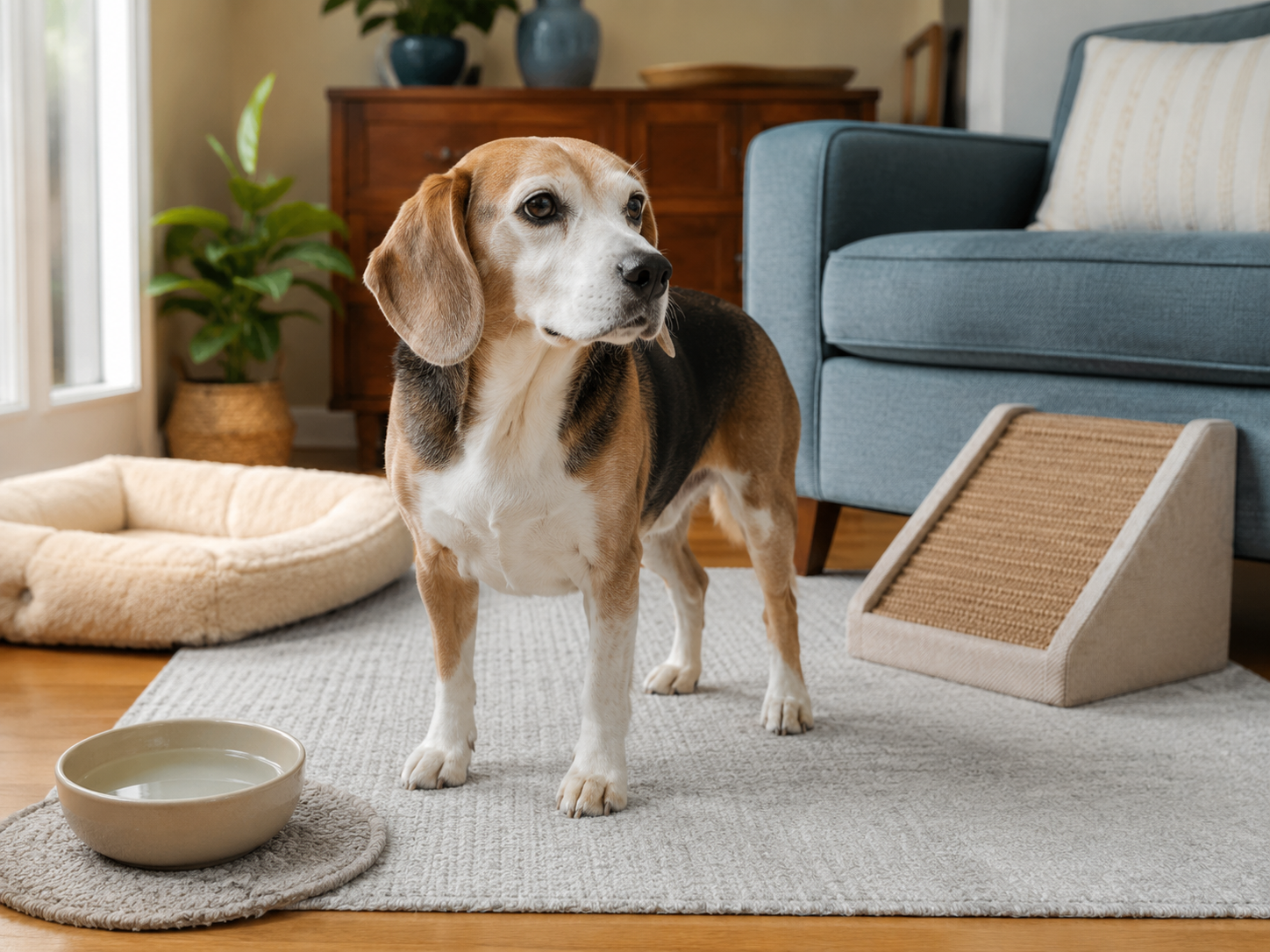
15. Use Grooming as a Gentle Health Check
Older dogs may have difficulty grooming themselves or may find long standing sessions uncomfortable.
Keep sessions short and provide nonslip footing.
While grooming, notice:
- new lumps or bumps
- skin sores or redness
- hair loss
- mats pulling on the skin
- ear odor or discharge
- eye changes
- paw-pad injury
- overgrown nails
- pain when one area is touched
Nail length matters because excessively long nails can alter footing and make movement more difficult.
If a dog suddenly resists grooming that was previously tolerated, consider pain before assuming the dog has become stubborn.
Back to guide16. Older Dogs Still Need Mental and Sensory Enrichment
Senior care should not mean removing every interesting activity.
Mental and physical stimulation remain important, but the activity should be matched to the individual dog's ability.
Options can include:
- sniff-focused walks
- simple food searches
- easy food puzzles
- short reward-based training
- gentle toy interaction
- time outdoors in a secure comfortable area
- practicing familiar cues
Make puzzles easier if vision, hearing, dental health or mobility has changed.
The purpose is engagement—not making the senior dog struggle to solve increasingly difficult tasks.
Back to guide17. Adjust the Routine for Heat, Cold and Slippery Conditions
Senior dogs may have less reserve for environmental stress, especially when heart, respiratory or mobility disease is present.
In warm weather:
- choose cooler walking times
- provide water and shade
- avoid hot pavement
- reduce strenuous exercise
- never leave the dog in a hot vehicle
In cold or wet weather:
- adjust outing length to comfort
- dry the coat and paws
- maintain indoor traction
- provide a comfortable warm resting area
Weather does not create the same risk for every senior dog, so adapt to medical condition, coat, body size and individual response.
Back to guide18. Review Every Medication and Supplement With the Veterinary Team
Senior dogs are more likely to receive multiple medications, supplements or therapeutic products.
Keep an updated list of:
- prescription medicines
- over-the-counter products
- joint supplements
- vitamins
- herbal products
- topical creams or oils
Bring the list to veterinary appointments.
Do not give human pain medicine without veterinary direction
Human medications can cause serious toxicity in dogs, and a drug that is appropriate for one dog may be unsafe for another dog with kidney, liver, gastrointestinal or other disease.
“Natural” does not automatically mean risk-free.
Supplements can also interact with medications or be inappropriate for an individual patient's health.
Back to guide19. Senior Dogs Benefit From More Frequent Veterinary Monitoring
AAHA recommends senior dogs receive a physical examination at least twice yearly.
Screening is individualized, but a senior wellness evaluation can include:
- complete physical examination
- body and muscle condition assessment
- pain and mobility assessment
- dental assessment
- behavior and cognition discussion
- blood pressure when appropriate
- blood and urine testing according to the dog's health and risk
AAHA's senior guidelines recommend medical workups once or twice yearly for senior pets, with tests individualized according to history, examination and health status.
A dog does not need to appear obviously ill before a senior visit is useful.
Back to guide20. Track Trends Instead of Relying on Memory
Small senior changes are easier to recognize when you record them.
Periodic photos and short videos can help reveal gradual changes in body condition, muscle, movement and behavior.
Back to guide21. Quality of Life Is More Than Whether the Dog Is Still Eating
Appetite matters, but quality of life includes much more.
Consider:
- pain control
- ability to rest
- ability to move and eliminate comfortably
- interest in food
- normal social interaction
- anxiety or confusion
- hygiene and skin comfort
- ability to enjoy favorite activities
Write down several activities that have always mattered to your dog.
These might be greeting you, sniffing outside, eating breakfast, resting near family or playing with a favorite toy.
Tracking whether those activities remain comfortable can help you and your veterinary team evaluate changes over time.
Validated veterinary quality-of-life tools can also help provide structure when chronic disease progresses.
Back to guide22. Palliative Care Can Begin Before the Final Days of Life
A chronic, progressive or terminal diagnosis does not mean there is nothing left to do.
Veterinary palliative care focuses on comfort, symptom control, pain management and preserving quality of life.
Depending on the condition, the plan may include:
- pain management
- mobility support
- nutrition support
- environmental modification
- rehabilitation
- management of specific symptoms
- planning for changes that may occur later
Early discussion gives families time to understand options before a crisis forces urgent decisions.
Hospice is a later stage of palliative care for terminal illness and can include planning for end-of-life needs with the veterinary team.
Back to guide23. Some Changes Need Urgent Care — Not the Next Routine Senior Visit
Seek urgent veterinary advice for signs such as:
- difficulty breathing
- collapse or inability to remain standing
- ongoing or repeated seizures
- severe trauma or uncontrolled bleeding
- marked abdominal swelling with repeated unsuccessful retching
- inability to urinate
- suspected poisoning
- severe heat-related illness
- rapidly worsening weakness or neurologic change
Do not assume an emergency is less treatable simply because the dog is old.
Contact the veterinary team so the dog can be assessed and the appropriate goals of care discussed.
Back to guide24. A Practical Senior Dog Daily Routine
A useful routine is predictable without being rigid.
Modify this routine around the dog's medical needs.
There is no benefit in forcing a senior dog to match a schedule designed for a younger, healthier dog.
Back to guide25. Common Senior Dog Care Mistakes
Avoid these common problems:
- assuming pain is simply old age
- waiting for severe limping before discussing arthritis
- stopping all exercise without veterinary reason
- forcing long walks because the dog used to manage them
- ignoring slippery floors
- monitoring body weight but not muscle condition
- automatically switching every older dog to the same senior diet
- automatically restricting protein because of age alone
- ignoring new thirst or urination changes
- punishing bathroom accidents
- ignoring nighttime pacing or confusion
- dismissing new irritability as stubbornness
- assuming continued eating means the mouth is painless
- giving human pain medicine
- adding supplements without discussing them with the veterinarian
- waiting for visible serious illness before scheduling senior checkups
- judging quality of life by appetite alone
Explore More Daily Dog Care Guides
26. Frequently Asked Questions
At what age is a dog considered senior?
There is no single age for all dogs. AAHA defines the canine senior stage as approximately the final 25% of expected lifespan. Large dogs often reach this stage at a younger chronological age than smaller long-lived dogs.
How often should a senior dog see the veterinarian?
AAHA recommends that senior dogs receive a physical examination at least twice yearly. Screening tests and visit frequency may be increased or individualized according to health problems and risk.
Is it normal for an old dog to become stiff?
Mobility can change with age, but stiffness can indicate osteoarthritis, pain or another medical problem. Difficulty rising, stairs, jumping or walking should be discussed with your veterinarian.
Should senior dogs still go for walks?
Many senior dogs benefit from regular comfortable activity. The distance, pace and terrain should be adjusted to mobility, health and recovery. There is no universal senior-dog walk duration.
Should I stop my senior dog from using stairs?
It depends on the dog's mobility, strength, vision and specific home environment. A dog that slips, hesitates or struggles may benefit from traction, assistance, ramps or restricted stair access after veterinary assessment.
Does every old dog need senior dog food?
No. Senior dogs have different calorie, muscle and medical needs. Choose food based on individual nutritional assessment rather than age on the package alone.
Should senior dogs eat less protein?
Not simply because they are older. Senior dogs can lose lean muscle. Protein or other nutrient restriction should be based on a diagnosed medical condition and the dog's veterinary nutrition plan.
Why is my senior dog losing weight but still eating?
Muscle loss and several medical conditions can cause weight loss even when appetite continues. Unexplained senior weight loss deserves veterinary evaluation rather than simply increasing treats.
Why is my older dog drinking more water?
Increased thirst can occur with several medical conditions. If drinking or urination has clearly increased, record the change and contact your veterinarian.
Why does my senior dog pace at night?
Night pacing can occur with pain, bathroom needs, anxiety, sensory changes or canine cognitive dysfunction. Veterinary evaluation can help determine the cause.
What are common signs of canine cognitive dysfunction?
Possible signs include disorientation, altered social interaction, sleep-wake changes, loss of house training or other learned behavior, activity changes and increased anxiety. Other medical causes must also be considered.
Why has my senior dog suddenly become grumpy?
New irritability can occur with pain, dental disease, reduced hearing or vision, cognitive changes, anxiety or other illness. Do not assume it is a personality problem without veterinary assessment.
Can my senior dog have human pain medicine?
Do not give human pain medication unless your veterinarian specifically instructs you to do so. Some human medicines can cause serious toxicity in dogs.
Are supplements automatically safe for an older dog?
No. Supplements can be unnecessary, interact with medicines or be inappropriate for certain medical conditions. Review all products with the veterinary team.
How can I tell whether my senior dog's quality of life is changing?
Track pain, mobility, sleep, appetite, elimination, anxiety, social interaction and whether the dog can still enjoy important everyday activities. Photos, videos and veterinary quality-of-life tools can help identify trends.
Does palliative care mean giving up?
No. Veterinary palliative care focuses on managing symptoms, pain and function to preserve comfort and quality of life in chronic, progressive or terminal illness. It can be provided alongside other treatments.
27. Veterinary Senior-Care Sources
This educational guide was prepared with reference to veterinary guidance on senior life stages, health screening, chronic pain, osteoarthritis, nutrition, muscle condition, cognition, dentistry, home modification and quality of life. Sources checked August 13, 2026.
- American Animal Hospital Association — 2023 AAHA Senior Care Guidelines for Dogs and Cats
- AAHA — Defining the Senior Patient
- AAHA — Evaluating the Healthy Senior Pet
- AAHA — Pain Management in Senior Pets
- AAHA — Senior Pet Nutrition, Body Condition and Muscle Condition
- World Small Animal Veterinary Association — Global Nutrition Guidelines and BCS/MCS Resources
- Merck Veterinary Manual — Osteoarthritis in Dogs and Cats
- AAHA — Managing Cognitive Dysfunction and Behavioral Anxiety
- AAHA — Dentistry in Senior Dogs and Cats
- AAHA — Quality-of-Life and End-of-Life Care Tools
- AAHA — Palliative Care and Hospice
Veterinary & Senior-Care Disclaimer
Daily Dog Care Guide provides general educational information for dog owners. This article does not replace veterinary examination, diagnosis, laboratory testing, treatment, pain management, rehabilitation, nutrition planning, emergency care, palliative care or individualized quality-of-life assessment.
Senior dogs often have more than one medical condition, and symptoms that appear to be age-related may have treatable causes.
Do not administer human pain medication or start, stop or change prescription medicines or supplements without veterinary guidance.
Seek prompt veterinary care for breathing difficulty, collapse, significant trauma, repeated seizures, suspected poisoning or another rapidly worsening problem.
Final Thoughts
A senior dog does not need life to become empty or inactive.
The goal is to make important parts of life easier to reach.
Put traction where the dog slips.
Adjust exercise before walks become exhausting.
Protect muscle as well as body weight.
Treat pain instead of calling it old age.
Notice nighttime confusion, dental discomfort, bathroom changes and new irritability rather than waiting for them to become severe.
Keep veterinary visits regular and record what you see at home.
Most importantly, keep track of the things your dog still enjoys.
Comfort, mobility and quality of life are built from many small decisions: an easier floor, an appropriate walk, a comfortable bed, timely pain care, good nutrition and a family that notices change.
The golden years do not need to be defined only by what an older dog can no longer do.
Good senior care focuses just as carefully on what the dog can still enjoy—and how to help those moments continue comfortably for as long as possible.
Back to guideSenior Daily-Care Products to Compare
Mobility change, pain, weight loss, appetite change, or new accidents should be discussed with a veterinarian rather than managed only with products.
An elevated feeding setup to compare for household convenience and comfortable bowl height.
View on Amazon →Optional product • paid linkGrooming Gloves for Gentle DesheddingA gentle handling-friendly grooming option for routine coat care.
View on Amazon →Optional product • paid linkPaw and Nose BalmA paw-care product to compare for routine surface care; do not use it to self-treat painful or infected skin.
View on Amazon →Affiliate disclosure: As an Amazon Associate I earn from qualifying purchases. Always check size, fit, materials, labels, and your dog’s individual needs before buying.
Helpful next steps
Continue with a related guide, tool, or product resource.